
A Grand Entrance Reimagined
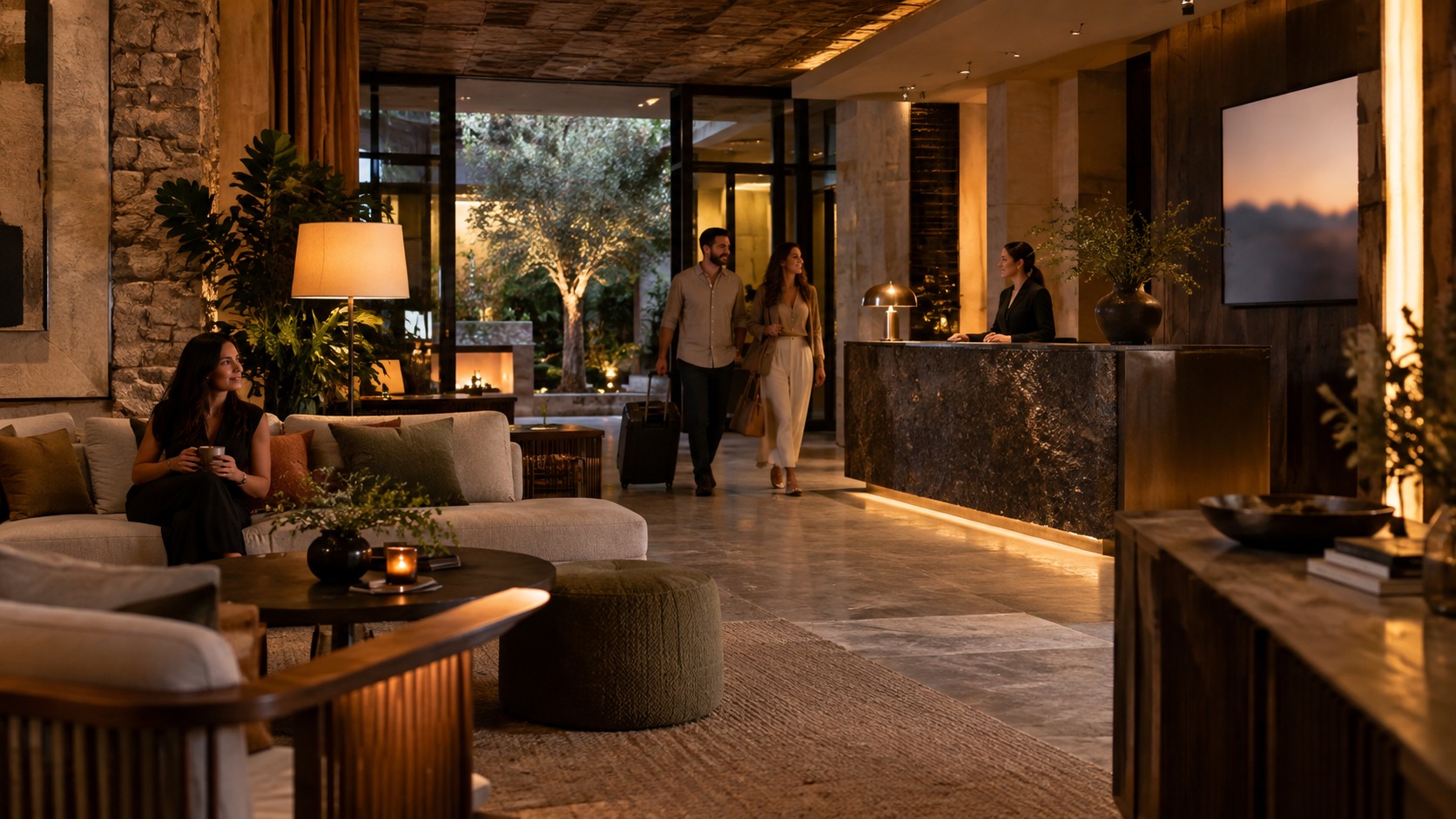
The luxury hotel lobby has always been a statement of arrival. It is the threshold between the outside world and an elevated realm of service, comfort, and prestige. For decades, grand chandeliers, marble floors, and imposing reception desks defined the standard of opulence. Today, however, the concept of the hotel lobby is undergoing a profound transformation. Across the globe, immersive lobbies in luxury hotels are redefining first impressions, blending architecture, technology, storytelling, and sensory design into experiences that captivate guests from the moment they step inside. The rise of immersive hotel lobby design reflects a broader shift in the hospitality industry. Modern travelers are no longer satisfied with static luxury. They seek engagement, personalization, and emotional resonance. In response, high-end hotels are transforming their lobbies into multi-sensory environments that feel more like curated experiences than transitional spaces. These immersive lobbies are not just visually impressive; they are strategically designed to influence mood, encourage interaction, and create lasting memories.
From Functional Space to Experiential Destination
Historically, the hotel lobby served a clear operational purpose. It was a space for check-in, waiting, and brief social interactions. Even in the most prestigious properties, the lobby functioned primarily as a corridor rather than a destination. That paradigm has shifted dramatically in recent years.
Luxury hotels now treat the lobby as the heart of the property. Instead of a single reception counter dominating the space, guests often encounter lounge-style seating, art installations, interactive displays, curated retail concepts, and live performance elements. Check-in desks are discreet or replaced entirely with mobile technology, freeing the space for immersive storytelling and communal experiences.
This evolution reflects the competitive nature of the luxury hospitality market. As online booking platforms commoditize room inventory, hotels must differentiate themselves through experiential value. An immersive lobby offers an immediate, powerful way to set the tone for the entire stay. It communicates brand identity, cultural relevance, and a commitment to innovation in a matter of seconds.
The Power of Multi-Sensory Design
At the core of immersive lobby design is the principle of multi-sensory engagement. Visual aesthetics remain crucial, but luxury hotels increasingly incorporate soundscapes, scent branding, tactile materials, and even interactive lighting to shape the guest journey.
Lighting design plays a particularly transformative role. Dynamic LED systems can shift color temperature throughout the day, aligning with circadian rhythms and enhancing guest comfort. Projection mapping may animate walls or ceilings with subtle visual narratives that change seasonally or respond to events. In some properties, digital art installations create a living gallery that evolves over time.
Sound is another critical component. Rather than relying on generic background music, immersive hotel lobbies curate playlists that align with brand identity and time of day. Some luxury hotels commission original compositions or host live musicians to create a distinctive auditory atmosphere. The result is an environment that feels intentional rather than incidental.
Scent branding, too, has become a sophisticated tool. Carefully crafted signature fragrances diffuse through the lobby, anchoring emotional memory and reinforcing brand recognition. Guests may not consciously register the scent, but it contributes significantly to the perception of luxury and comfort.
Together, these elements create an atmosphere that envelops guests rather than simply accommodating them. Immersive lobbies in luxury hotels are designed to be felt as much as seen.
Technology as an Invisible Architect
Technology underpins much of the innovation driving immersive hotel lobby design. However, the most successful implementations are subtle. Rather than overwhelming guests with screens and devices, luxury properties integrate technology seamlessly into the architecture.
Interactive digital walls, for example, can display local art, cultural history, or real-time data visualizations. In some hotels, guests can personalize elements of the lobby environment through mobile apps, adjusting lighting around their seating area or accessing augmented reality experiences that reveal hidden stories within the space.
Artificial intelligence also contributes to the immersive experience. Facial recognition and predictive analytics allow staff to greet returning guests by name and anticipate preferences before a word is spoken. The technology operates discreetly in the background, enhancing the sense of personalization without intruding on privacy.
Biometric check-in systems and mobile key access further reduce friction. By eliminating long queues and formal desk interactions, immersive lobbies encourage guests to engage with the environment instead of focusing on administrative tasks. Technology becomes an enabler of experience rather than a distraction from it.
Storytelling Through Architecture and Art
One of the defining characteristics of immersive lobbies in luxury hotels is their emphasis on narrative. These spaces often tell a story about the destination, the brand, or a particular cultural theme. Architecture, interior design, and curated art collections work together to create a cohesive narrative arc.
In urban luxury hotels, lobbies may reflect the city’s industrial heritage or contemporary creative scene. Materials such as reclaimed wood, exposed steel, or custom sculptures inspired by local landmarks ground the design in a specific context. In resort environments, immersive lobbies often blur the line between indoors and outdoors, incorporating natural elements such as water features, vertical gardens, and panoramic views.
Art installations frequently serve as focal points. Large-scale sculptures, interactive light pieces, and rotating exhibitions transform the lobby into a gallery-like environment. By collaborating with local artists, luxury hotels reinforce their commitment to community engagement and cultural authenticity.
The result is a lobby that feels rooted in place. Guests do not experience a generic luxury template; they encounter a carefully crafted narrative that enhances their connection to the destination.
Social Hubs and Community Spaces
Another factor driving the rise of immersive hotel lobbies is the growing demand for social connectivity. Modern luxury travelers, including business professionals and digital nomads, seek spaces where they can work, network, and relax in a dynamic environment.
Immersive lobbies often function as hybrid spaces that blend co-working areas, cocktail lounges, and event venues. Comfortable seating arrangements encourage conversation, while integrated power outlets and high-speed connectivity support productivity. Some luxury hotels host pop-up markets, fashion showcases, or cultural performances directly in the lobby, transforming it into a vibrant community hub.
This shift aligns with the broader trend of experiential hospitality. Instead of isolating guests in private rooms, immersive lobbies create opportunities for spontaneous interaction. They serve as platforms for brand storytelling, cultural exchange, and curated events that extend beyond the traditional hotel experience.
By designing lobbies as active social spaces, luxury hotels increase dwell time and foster a sense of belonging. The lobby becomes a living ecosystem rather than a transitional zone.
Sustainability and Biophilic Innovation
Sustainability has become a defining value in luxury hospitality, and immersive lobby design increasingly reflects this priority. Biophilic design principles, which emphasize the integration of natural elements into built environments, are central to many contemporary projects.
Living walls, indoor gardens, and water installations not only enhance aesthetics but also improve air quality and reduce stress. Natural materials such as stone, timber, and organic textiles create tactile richness while reinforcing environmental responsibility. In some luxury hotels, immersive lobbies incorporate renewable energy features or real-time sustainability dashboards that showcase the property’s environmental impact.
These elements resonate with environmentally conscious travelers who expect transparency and ethical practices. By embedding sustainability into the lobby experience, hotels signal that luxury and responsibility are not mutually exclusive.
The immersive lobby thus becomes a space where innovation and environmental stewardship coexist. It demonstrates that high-end hospitality can embrace both opulence and ecological awareness.
The Influence of Global Design Trends
The rise of immersive lobbies in luxury hotels is also shaped by global design trends. Influences from experiential retail, museum curation, and themed entertainment have crossed into hospitality, creating hybrid environments that defy conventional categories.
Concepts such as “Instagrammable” design have encouraged visually striking installations that invite social media sharing. However, forward-thinking luxury brands move beyond superficial photo opportunities. They prioritize depth, coherence, and authenticity over spectacle alone.
International collaborations between architects, digital artists, and technology firms have further expanded creative possibilities. Parametric design, kinetic sculptures, and responsive environments allow lobbies to evolve in real time. These innovations reflect the increasingly interdisciplinary nature of luxury hotel development.
As global travel resumes strong growth and competition intensifies, immersive lobby design continues to push boundaries. Properties in major metropolitan centers and emerging destinations alike are investing heavily in experiential architecture to attract discerning guests.
Economic Impact and Brand Differentiation
From a business perspective, immersive hotel lobbies deliver measurable advantages. First impressions significantly influence guest satisfaction scores and online reviews. A memorable lobby experience can enhance perceived value, justifying premium room rates.
Immersive lobbies also generate ancillary revenue. Integrated bars, retail boutiques, and event programming encourage spending within the property. By creating a compelling public space, hotels attract local visitors as well as overnight guests, expanding their customer base.
Brand differentiation is perhaps the most strategic benefit. In a crowded luxury market, immersive lobbies provide a tangible expression of brand philosophy. Whether minimalist and contemplative or vibrant and theatrical, the lobby becomes a signature asset that distinguishes one property from another.
In an era where experiential marketing drives loyalty, the immersive lobby functions as both a design achievement and a competitive strategy.
The Psychological Dimension of Immersion
Beyond aesthetics and economics, immersive lobbies influence guest psychology. Environmental psychology research suggests that sensory-rich spaces can reduce stress, enhance mood, and foster positive emotional associations.
Warm lighting, natural textures, and calming soundscapes contribute to a sense of refuge. Interactive art and dynamic installations stimulate curiosity and engagement. Together, these elements create a balanced environment that feels both stimulating and restorative.
Luxury hotels leverage this psychological dimension to elevate the guest journey. The immersive lobby acts as a transition zone that gently separates travelers from the pressures of travel and daily life. By orchestrating this emotional shift, hotels strengthen their value proposition as sanctuaries of comfort and inspiration.
The Future of Immersive Hotel Lobbies
Looking ahead, the evolution of immersive lobbies in luxury hotels shows no signs of slowing. Advances in augmented reality, holographic displays, and adaptive architecture will likely deepen the sense of interactivity. Personalized digital environments may respond to individual guest profiles, tailoring lighting, music, and visual content in real time.
At the same time, authenticity will remain paramount. Travelers increasingly seek meaningful experiences rooted in culture and community. The most successful immersive lobbies will balance technological innovation with human connection and local storytelling.
As the hospitality industry continues to evolve, the lobby stands at the forefront of transformation. It is no longer a mere point of entry. It is an immersive stage where architecture, art, technology, and emotion converge.
Conclusion: A New Era of Hospitality Design
The rise of immersive lobbies in luxury hotels marks a decisive shift in how hospitality brands conceptualize space. These environments transcend traditional design, integrating multi-sensory engagement, advanced technology, cultural storytelling, and sustainable innovation.
For luxury hotels, the lobby has become both a strategic differentiator and an experiential masterpiece. It sets the tone for the entire stay, influences guest perception, and strengthens brand identity in an increasingly competitive marketplace.
As travelers continue to demand deeper, more meaningful interactions with the spaces they inhabit, immersive lobbies will remain central to the future of luxury hospitality. They are not simply rooms with beautiful décor; they are orchestrated experiences that redefine what it means to arrive.
TV Top 10 Product Reviews
Explore Philo Street’s TV Top 10 Product Reviews! Discover the top-rated TVs, accessories, streaming devices, and home theater gear with our clear, exciting comparisons. We’ve done the research so you can find the perfect screen and setup for your entertainment experience!