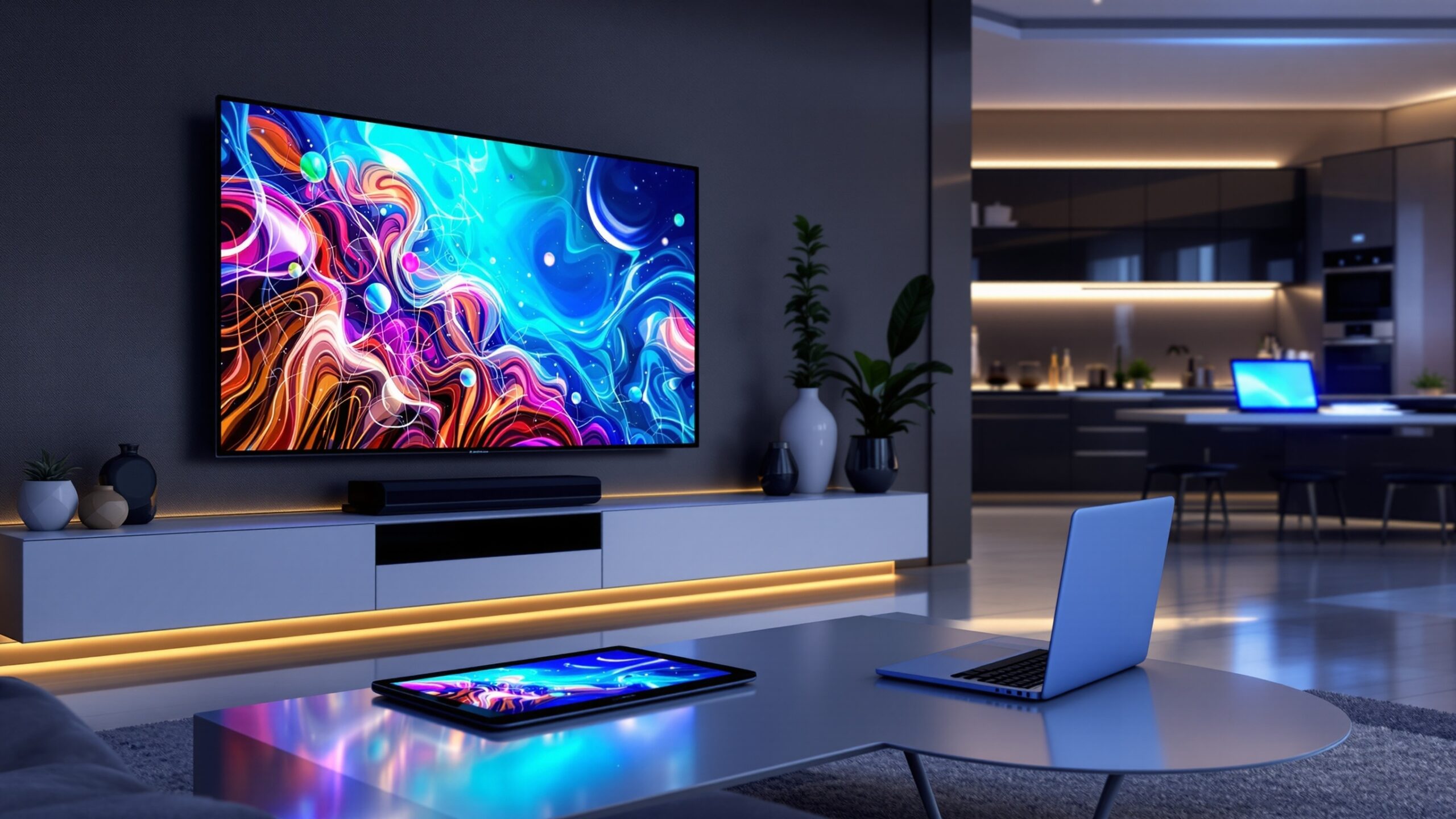

When Rooms Start Thinking
For centuries, the rooms we inhabit have remained largely passive. Walls held pictures, lights illuminated spaces, and furniture served static purposes. Yet in the modern era, a quiet revolution is reshaping the way we interact with our homes and workplaces. Intelligent rooms—spaces equipped with interconnected technologies that respond to human presence, preferences, and routines—are transforming everyday environments into responsive ecosystems. Smart spaces are no longer confined to futuristic films or high-end laboratories. From voice-controlled lighting to AI-driven climate systems, intelligent rooms are becoming increasingly common in homes, offices, hotels, hospitals, and educational institutions. These environments learn patterns, anticipate needs, and adapt in real time, creating spaces that are not only more efficient but also more comfortable and personalized. The rise of intelligent rooms reflects a broader shift in the relationship between humans and technology. Instead of requiring people to constantly adjust their surroundings, modern smart environments adapt themselves automatically. As sensors, artificial intelligence, and automation continue to advance, rooms are evolving into intelligent companions—capable of enhancing productivity, wellness, security, and everyday convenience.
Understanding the Concept of Intelligent Rooms
An intelligent room is a physical environment enhanced by a network of sensors, devices, and software that communicate with each other to create a responsive space. These rooms gather data about lighting conditions, temperature, occupancy, sound levels, and even air quality. With the help of artificial intelligence and automation systems, the space adjusts itself to meet the needs of its occupants.
Unlike traditional smart home devices that operate independently, intelligent rooms function as unified ecosystems. Lighting systems may dim when a movie begins, window shades can adjust to reduce glare during a video call, and climate controls might modify airflow depending on the number of people present in the room. These responses happen seamlessly in the background.
The concept is built on three core technologies. First are sensors that detect environmental changes and human activity. Second are intelligent control systems that analyze the collected data. Third are automated devices that execute adjustments such as altering lighting levels, temperature, or sound systems. When these elements work together, they create an environment that feels intuitive and effortless.
The Technology Behind Smart Spaces
Several technological breakthroughs have made intelligent rooms possible. The most important is the rapid advancement of the Internet of Things, often abbreviated as IoT. IoT allows everyday devices—from light bulbs to thermostats—to connect to networks and communicate with each other. This interconnectedness forms the backbone of modern smart spaces.
Artificial intelligence also plays a crucial role. AI algorithms analyze usage patterns and learn from human behavior. Over time, these systems recognize preferences such as ideal lighting levels, preferred room temperatures, and daily routines. Instead of reacting to commands alone, intelligent rooms begin to anticipate what occupants want before they even ask.
Another key technology is advanced sensor systems. Motion sensors detect movement, biometric sensors monitor health metrics, and environmental sensors measure air quality, humidity, and sound levels. These inputs allow smart environments to make informed adjustments that improve comfort and safety.
Cloud computing supports the infrastructure behind these systems by processing large amounts of data quickly. Edge computing, which processes data closer to the devices themselves, further improves responsiveness by reducing delays. Together, these technologies enable rooms to operate as intelligent environments rather than simple collections of gadgets.
Smart Lighting: The Foundation of Intelligent Rooms
Lighting has become one of the most transformative elements in intelligent room design. Traditional lighting systems operate on basic switches or timers, but smart lighting systems adapt dynamically to activity, time of day, and personal preference.
Circadian lighting technology is one example of how intelligent rooms enhance human wellbeing. These systems adjust color temperature and brightness throughout the day to mimic natural sunlight patterns. In the morning, cooler light tones promote alertness and productivity. In the evening, warmer tones encourage relaxation and support natural sleep cycles.
Motion detection also plays a significant role. Lights automatically turn on when someone enters a room and dim when the space becomes unoccupied. In offices, smart lighting can adjust brightness levels based on daylight availability, reducing energy consumption while maintaining optimal visibility.
Lighting can also integrate with entertainment systems and voice assistants. A single command such as “movie mode” may dim the lights, close motorized curtains, and activate a surround sound system. The result is a seamless transformation of the environment that enhances user experience.
Climate Intelligence and Energy Efficiency
Temperature control has evolved far beyond traditional thermostats. Intelligent rooms now rely on adaptive climate systems that respond to both environmental conditions and human behavior. Smart thermostats analyze usage patterns and automatically adjust heating and cooling schedules to maintain comfort while conserving energy.
Occupancy sensors allow rooms to regulate climate based on presence. If a room remains empty for extended periods, the system can reduce heating or cooling output to save energy. Once someone enters the space, the environment quickly returns to a comfortable temperature.
Air quality monitoring is another essential feature. Sensors detect pollutants, humidity levels, and carbon dioxide concentrations, triggering ventilation systems when necessary. This capability is particularly important in urban environments where indoor air quality significantly impacts health and productivity.
Intelligent climate control systems are increasingly integrated with renewable energy sources. Homes equipped with solar panels, for example, can optimize energy usage based on production levels. During peak energy generation, systems may prioritize tasks such as charging batteries or running energy-intensive appliances.
Intelligent Rooms and Human Wellness
One of the most promising aspects of smart spaces is their potential to support health and wellbeing. Intelligent rooms can monitor environmental factors that affect comfort, productivity, and physical health. Lighting systems that align with natural circadian rhythms help regulate sleep patterns and reduce fatigue. Air quality sensors detect pollutants that may trigger allergies or respiratory issues. Noise management systems reduce disruptive sounds in workplaces or healthcare facilities.
Some advanced environments incorporate biometric monitoring technologies that track heart rate, stress levels, or body temperature. While still emerging, these systems may eventually adjust lighting, sound, or temperature to create calming environments during periods of stress. In healthcare settings, intelligent rooms can assist with patient monitoring. Sensors track movement and detect falls, alerting medical staff when assistance is needed. Smart beds can adjust positions automatically to improve comfort or circulation. These innovations improve patient safety while reducing the workload on healthcare professionals.
Smart Workspaces and the Future of Productivity
Intelligent rooms are reshaping workplaces as well. Modern offices increasingly rely on smart environments that optimize collaboration, efficiency, and employee wellbeing. Meeting rooms equipped with intelligent technology can automatically start video conferencing systems when participants enter the space. Cameras adjust framing based on the number of attendees, while microphones enhance voice clarity for remote participants. Lighting systems reduce glare to improve video quality.
Workspace utilization is another area where intelligent rooms provide value. Sensors track how often certain spaces are used, helping organizations design offices that match employee needs. If conference rooms remain empty for large portions of the day, companies may redesign those areas into flexible collaboration zones. Temperature, lighting, and air quality adjustments also contribute to productivity. Research consistently shows that environmental conditions influence concentration and performance. Smart offices ensure that these factors remain within optimal ranges throughout the workday.
The Role of Artificial Intelligence in Smart Environments
Artificial intelligence is the engine that transforms connected devices into truly intelligent rooms. Without AI, smart devices would still require manual commands or basic automation rules. With AI, rooms can analyze patterns and continuously improve their performance. Machine learning algorithms examine historical data to identify behavioral trends. For example, a smart room may learn that a user typically lowers the lights and plays music around 9 p.m. Instead of waiting for a command, the system can prepare the environment automatically.
Voice recognition technology also enhances user interaction. Virtual assistants allow occupants to control lighting, entertainment systems, security features, and appliances using natural language commands. Over time, these systems improve their understanding of individual speech patterns and preferences. AI also enables predictive maintenance. Sensors embedded in appliances and building systems detect early signs of malfunction. Instead of waiting for equipment to fail, intelligent systems notify homeowners or maintenance teams when repairs are needed.
Security and Privacy in Intelligent Rooms
As intelligent rooms become more advanced, security and privacy concerns have emerged as important considerations. Smart environments rely heavily on data collection, which raises questions about how that information is stored and used.
Modern smart systems use encryption and secure networks to protect data transmissions between devices. Manufacturers increasingly design products with built-in security protocols to prevent unauthorized access.
Privacy controls are equally important. Many intelligent systems allow users to customize data sharing settings or disable certain sensors when desired. Transparency about how data is collected and stored has become a priority in the smart technology industry.
Homeowners and organizations also benefit from improved physical security features. Smart cameras, motion detectors, and door sensors work together to create integrated security systems. Alerts can be sent directly to smartphones if unusual activity occurs.
Intelligent Rooms in Hospitality and Public Spaces
Hotels, airports, and entertainment venues are adopting intelligent room technology to enhance guest experiences. Smart hotel rooms allow visitors to control lighting, temperature, and entertainment systems through mobile apps or voice commands.
Some hotels integrate smart technology with personalized guest profiles. When a returning guest checks in, the room may automatically adjust lighting, temperature, and music preferences based on previous visits.
Conference centers and event venues use intelligent spaces to manage large crowds more efficiently. Sensors track occupancy levels and adjust lighting, ventilation, and digital signage accordingly.
Museums and galleries are also exploring smart environments that enhance visitor engagement. Lighting and audio systems can adapt as guests move through exhibits, creating immersive experiences that respond dynamically to audience behavior.
Sustainability and the Environmental Impact of Smart Spaces
One of the most significant benefits of intelligent rooms is their potential to reduce environmental impact. Smart systems optimize energy usage, reduce waste, and improve overall building efficiency.
Automated lighting systems ensure that lights are only active when needed. Climate systems adjust heating and cooling based on occupancy and weather conditions. Water management systems detect leaks or regulate usage to conserve resources.
In large commercial buildings, intelligent room technology contributes to sustainable architecture by improving energy management across entire structures. Buildings equipped with smart systems can significantly reduce electricity consumption and carbon emissions.
Urban planners are also exploring the concept of smart cities, where intelligent buildings communicate with infrastructure systems such as transportation networks and power grids. These interconnected environments could dramatically improve energy efficiency on a large scale.
The Future of Intelligent Living Spaces
The evolution of intelligent rooms is still in its early stages. As artificial intelligence, robotics, and sensor technologies continue to advance, smart spaces will become even more adaptive and intuitive. Future intelligent rooms may incorporate holographic displays, gesture-based controls, and advanced spatial computing technologies. Instead of interacting with screens or devices, occupants may simply move within the environment to control systems.
Robotic assistants could become integrated into smart environments, performing tasks such as cleaning, organizing, or delivering items within the home. Smart furniture might adjust its shape or configuration depending on the activity taking place.
Healthcare monitoring systems may also become more sophisticated, providing early detection of health conditions through continuous environmental and biometric analysis. Intelligent rooms could eventually play a key role in preventative healthcare.
Living in Spaces That Understand Us
The rise of intelligent rooms marks a turning point in the relationship between people and the spaces they inhabit. What once were static environments are evolving into dynamic ecosystems capable of learning, adapting, and responding to human needs. Smart spaces enhance comfort, efficiency, productivity, and sustainability while opening new possibilities for personalization and automation. From homes and offices to hospitals and hotels, intelligent environments are redefining what it means to live and work in the modern world. As technology continues to evolve, the concept of rooms that understand us will move from novelty to necessity. The intelligent spaces of tomorrow will not simply house our lives—they will actively support and improve them, creating environments that are as responsive and adaptable as the people who inhabit them.
TV Top 10 Product Reviews
Explore Philo Street’s TV Top 10 Product Reviews! Discover the top-rated TVs, accessories, streaming devices, and home theater gear with our clear, exciting comparisons. We’ve done the research so you can find the perfect screen and setup for your entertainment experience!