In a world flooded with acronyms, features, and flashy displays, buying a new TV can feel like navigating a high-tech maze. Among the most talked-about and sought-after terms in the television industry today is “QLED.” If you’ve walked through a store or browsed online for a premium TV, chances are you’ve seen this term emblazoned on boxes and banners. But what exactly is QLED, and why is it making such waves in home entertainment? Whether you’re a casual movie watcher, an avid gamer, or someone who just wants a better picture for your weekend sports marathons, this simple guide to QLED will break down everything you need to know — no engineering degree required.
The Basics: What Does QLED Stand For?
QLED stands for “Quantum Dot Light Emitting Diode. ” While that may sound like something pulled straight from a science fiction script, it’s actually a real-world display technology that’s reshaping how we experience television. Unlike OLED, which stands for “Organic Light Emitting Diode,” QLED TVs use quantum dots in combination with an LED backlight to enhance color accuracy, brightness, and contrast.
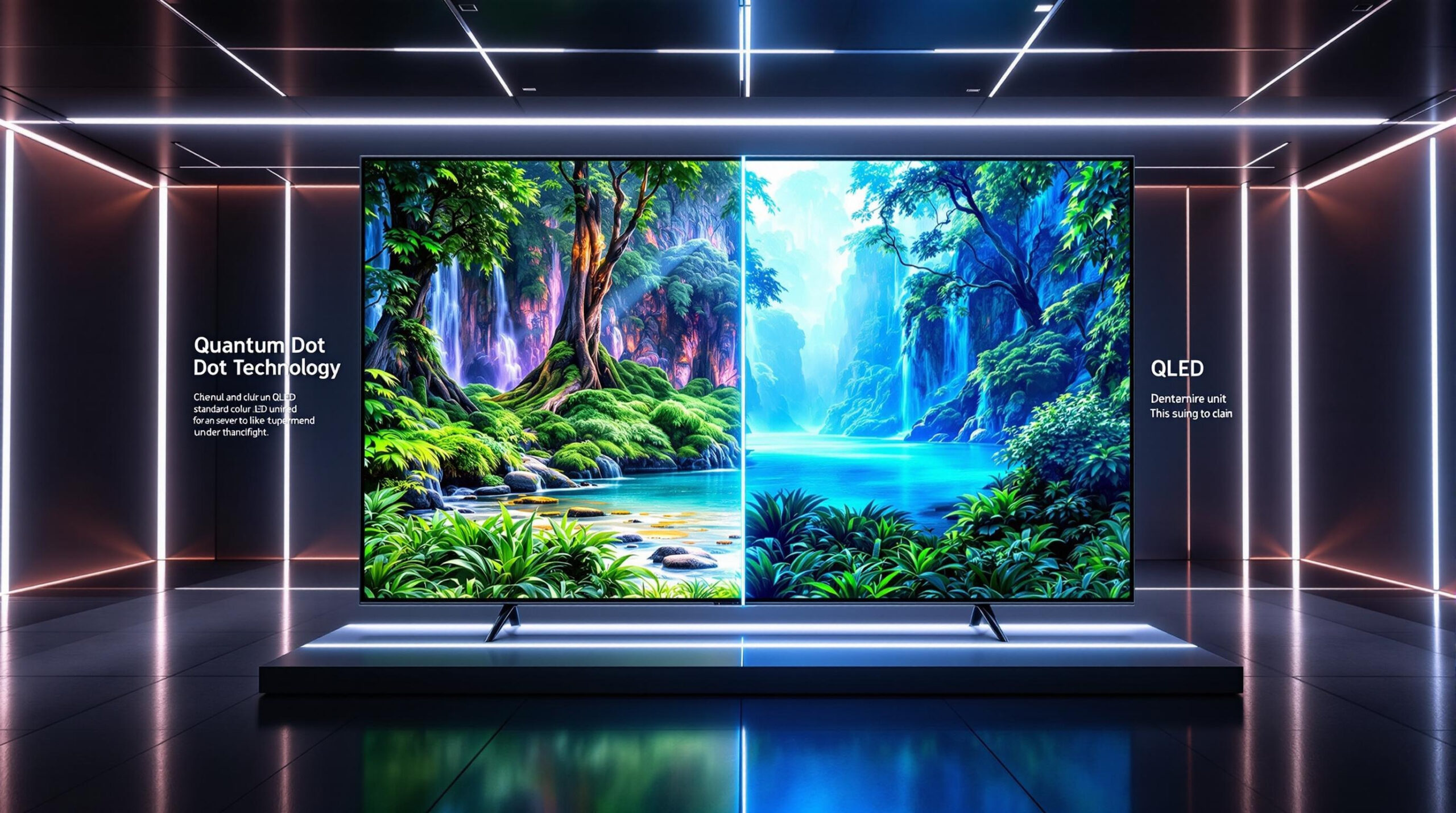
Think of quantum dots as microscopic crystals that glow when light hits them. These nanocrystals emit highly precise colors depending on their size. In QLED displays, this controlled glow results in a rich, dynamic picture that’s brighter and more vibrant than what traditional LED displays can offer.
A Brief History of Quantum Dot Technology
Although QLED may seem like a modern marvel, quantum dot research dates back to the 1980s. It wasn’t until the mid-2010s, however, that the technology found its way into consumer electronics. Samsung played a leading role in popularizing the term “QLED” around 2017 when it began branding its top-tier televisions using this technology.
It’s important to note that QLED isn’t exclusive to Samsung anymore. Brands like TCL, Hisense, and Vizio have adopted similar technology, using quantum dots in various ways to boost their image performance. While the underlying science remains the same, each manufacturer adds its own twist to the implementation.
How QLED Works: The Science Simplified
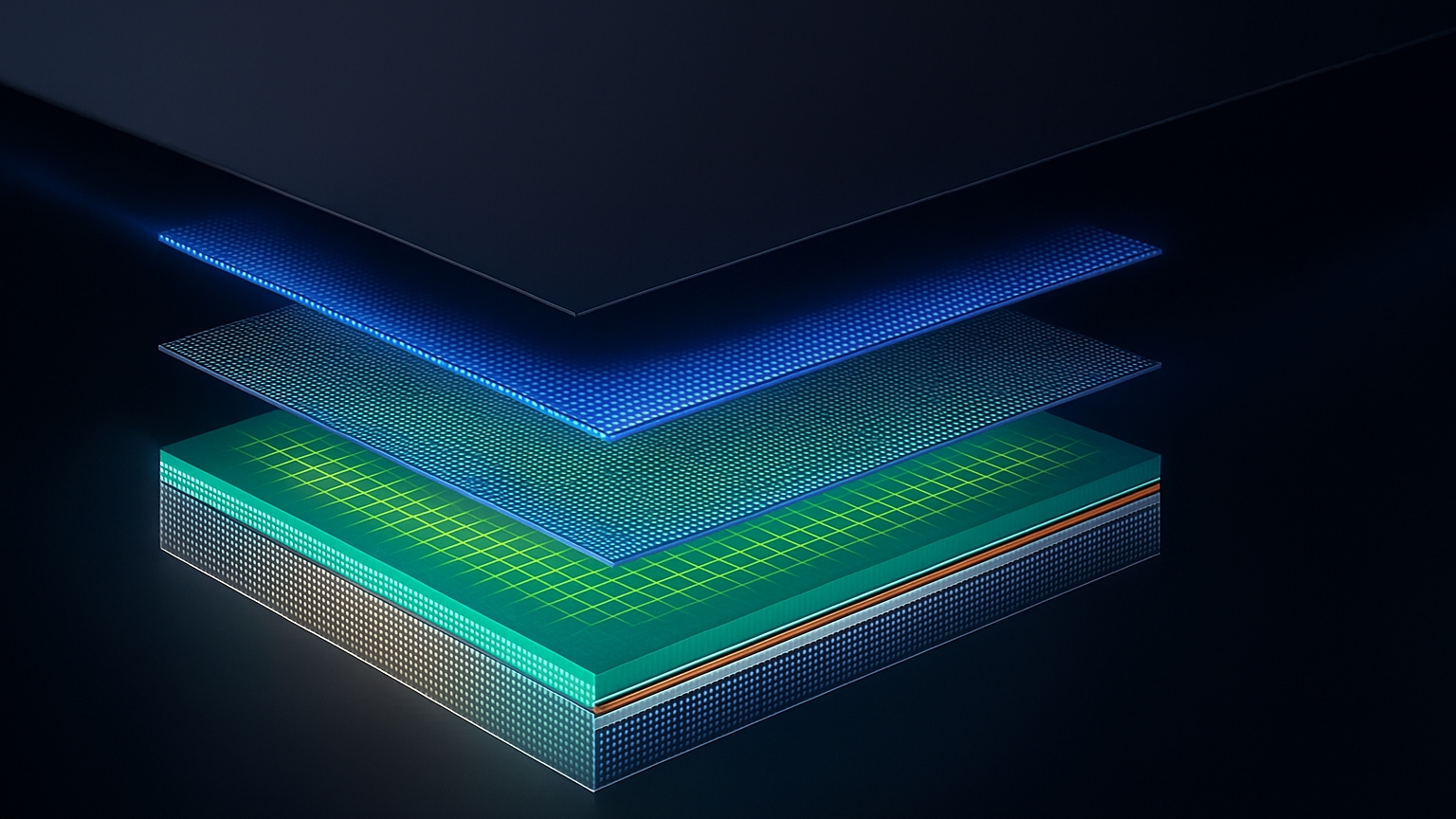
Let’s peel back the layers of a QLED display — figuratively, of course. At its core, a QLED TV is essentially an LCD (liquid crystal display) panel that’s enhanced with a quantum dot film. Here’s how it all comes together:
Backlight Layer: QLED TVs use a powerful LED backlight as the starting point. This backlight shines white or blue light through the layers of the screen.
Quantum Dot Layer: The light then passes through a film containing billions of quantum dots. These dots absorb the backlight and emit red and green wavelengths with remarkable accuracy, while blue light typically comes straight from the LEDs.
LCD Layer: Once the light is color-enhanced, it moves through the liquid crystal layer, which forms the actual image on the screen.
Color Filters and Polarizers: Additional layers help refine the picture, managing brightness and contrast for that final, polished output you see on your TV.
This stack of technologies results in jaw-dropping images that boast vibrant colors, deep blacks (especially with full-array local dimming), and superior brightness — even in sunlit rooms.
QLED vs OLED: Understanding the Rivalry
No discussion of QLED would be complete without addressing its biggest competitor: OLED. While QLED uses an LED backlight and quantum dots, OLED TVs don’t need a backlight at all. Each pixel in an OLED screen emits its own light, allowing for perfect blacks and exceptional contrast.
So which is better? It depends on your needs.
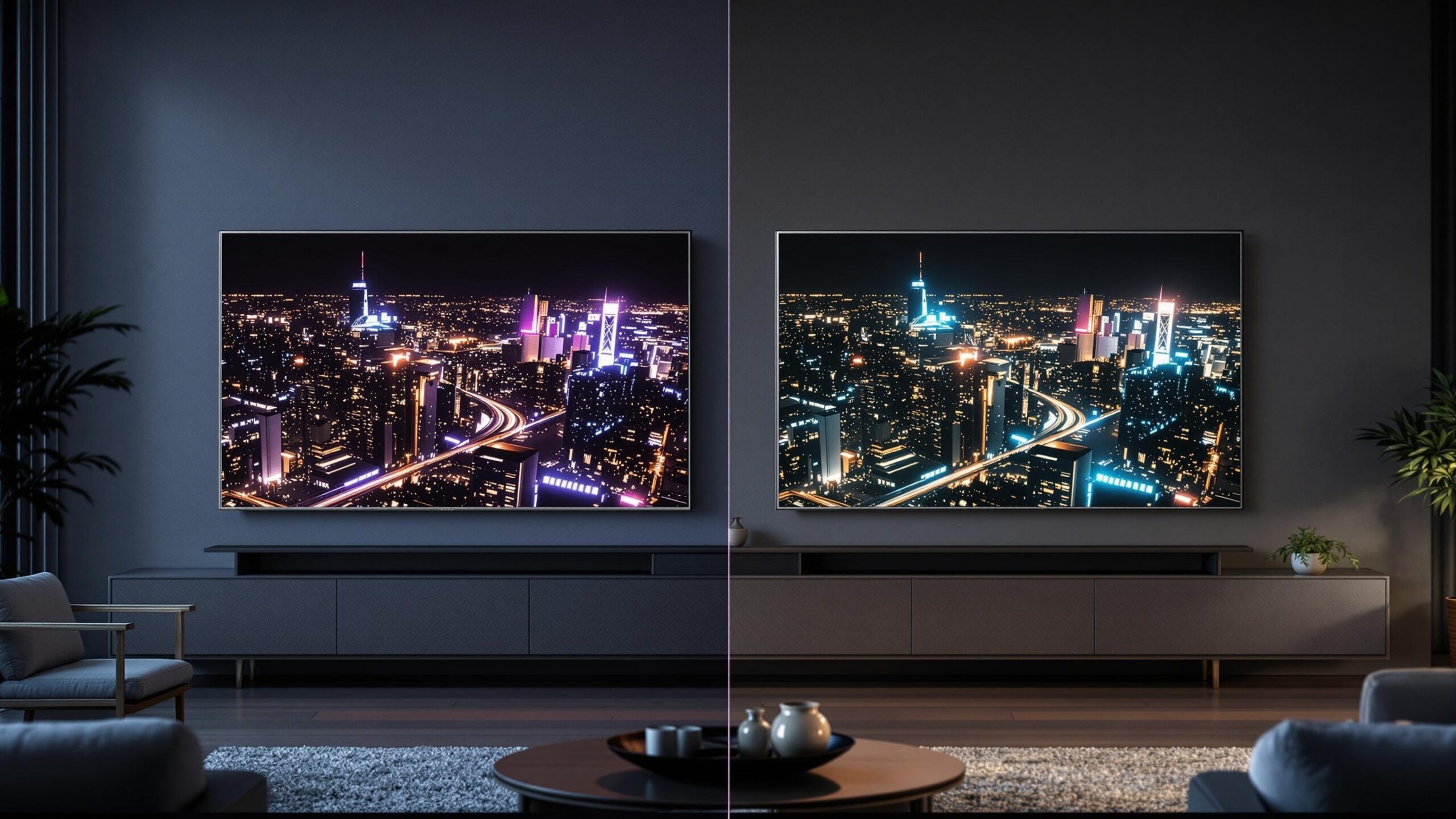
QLED TVs tend to excel in brightness, making them great for bright rooms and daytime viewing. They’re also less prone to burn-in, a concern for gamers or news watchers who leave static elements on screen. On the other hand, OLED TVs typically win in terms of contrast and viewing angles, delivering more cinematic picture quality in dark environments.
The good news is both technologies have their strengths, and as competition heats up, so do the improvements. QLED keeps getting better, with quantum dots becoming more efficient and color reproduction more precise every year.
Why QLED Is Ideal for Gamers and Sports Fans
If you’re a gamer or someone who loves watching fast-paced sports, QLED could be your new best friend. Thanks to high refresh rates, advanced motion handling, and minimal input lag, QLED TVs provide smooth, responsive action that keeps you locked in the game — whether it’s on a console or the field.
Modern QLED sets often come with features like HDMI 2.1, Variable Refresh Rate (VRR), and Auto Low Latency Mode (ALLM). These ensure that the TV can keep up with the demands of the latest gaming consoles and competitive play without introducing lag or screen tearing. For sports fans, the enhanced brightness and color vibrancy make every jersey pop and every touchdown look like it’s happening right in your living room.
Is QLED Right for Your Living Room?
The decision to go with a QLED TV depends largely on your viewing habits and your environment. Do you watch TV during the day in a brightly lit room? QLED’s superior brightness gives it a leg up over many OLED models. Do you host movie nights in a dark room and want the deepest blacks possible? Then OLED might still edge out the competition.
That said, QLED TVs are exceptionally versatile and continue to push boundaries. Many QLED models now come with full-array local dimming, which dramatically improves black levels and contrast — areas where QLED was previously seen as weaker. Combined with Smart TV capabilities, premium audio enhancements, and sleek designs, QLED TVs are becoming the default choice for many households.
The Evolution of QLED: What’s Next?
QLED technology isn’t standing still. Manufacturers are already experimenting with “Mini LED” backlighting in tandem with quantum dots to further refine picture quality. Mini LED QLEDs feature thousands of tiny LEDs to provide more precise lighting control, which dramatically boosts contrast and minimizes halo effects around bright objects.
Looking even further ahead, researchers are working on self-emissive quantum dots — a future version of QLED where each pixel emits its own light, much like OLED but with the added benefits of quantum dots. This next-gen tech, often referred to as QD-OLED or QD-LED, could combine the best of both worlds: deep blacks and eye-searing brightness.
Energy Efficiency and Longevity
Another overlooked perk of QLED technology is its energy efficiency and durability. Unlike OLEDs, which may degrade over time or suffer from burn-in with static images, QLED panels are more resilient to long-term usage. The inorganic nature of quantum dots ensures that they maintain their color performance for years to come.
This makes QLED TVs a great choice for households that keep the TV on for extended periods — whether it’s for background noise, streaming marathons, or weekend gaming sessions. As energy efficiency becomes more critical in tech design, QLED continues to strike a balance between high-performance visuals and reasonable power consumption.
What About Price?
Cost is always a consideration, and the good news is QLED TVs come in a wide range of prices. While the flagship models with cutting-edge features can be pricey, there are also mid-range and budget QLED options that still deliver exceptional picture quality. Brands like TCL and Hisense have brought QLED technology into affordable price brackets, while Samsung offers premium QLED TVs under the “Neo QLED” branding for those seeking the pinnacle of performance.
As the technology matures and competition grows, prices continue to drop — making QLED more accessible to more people than ever before.
Final Verdict: Why QLED Deserves Your Attention
QLED is not just a buzzword. It represents a significant step forward in TV technology, offering stunning visuals that are especially suited for bright rooms, fast action content, and long viewing sessions. While OLED may continue to reign in dark-room cinematic experiences, QLED has carved out its own space as the ultimate all-around performer.
Whether you’re upgrading your family TV, building a high-end gaming setup, or simply want to enjoy movies in brilliant color, QLED provides an exciting blend of cutting-edge innovation and everyday practicality. Its ability to balance high brightness, vibrant color accuracy, and smart features makes it a standout in today’s TV landscape.
QLED TV Reviews
Explore Philo Street’s Top 10 Best QLED TV Reviews! Dive into our comprehensive analysis of the leading QLED TV products, complete with a side-by-side comparison chart to help you choose the perfect protection for your devices.