
Design Trends Transforming Modern Hospitality Spaces
The hospitality industry is undergoing a profound design evolution. Hotels, resorts, restaurants, and experiential lodging spaces are no longer judged solely by comfort or luxury, but by how they make guests feel, interact, and remember their stay. In a world shaped by social media, sustainability awareness, remote work culture, and heightened expectations for personalization, hospitality design has become a powerful storytelling tool. Today’s most compelling spaces are immersive, flexible, emotionally resonant, and deeply connected to both their environment and their guests. From biophilic interiors and experiential layouts to technology-enhanced comfort and hyper-local aesthetics, modern hospitality design is redefining what it means to welcome, inspire, and delight.
Experience-Driven Design as the New Standard
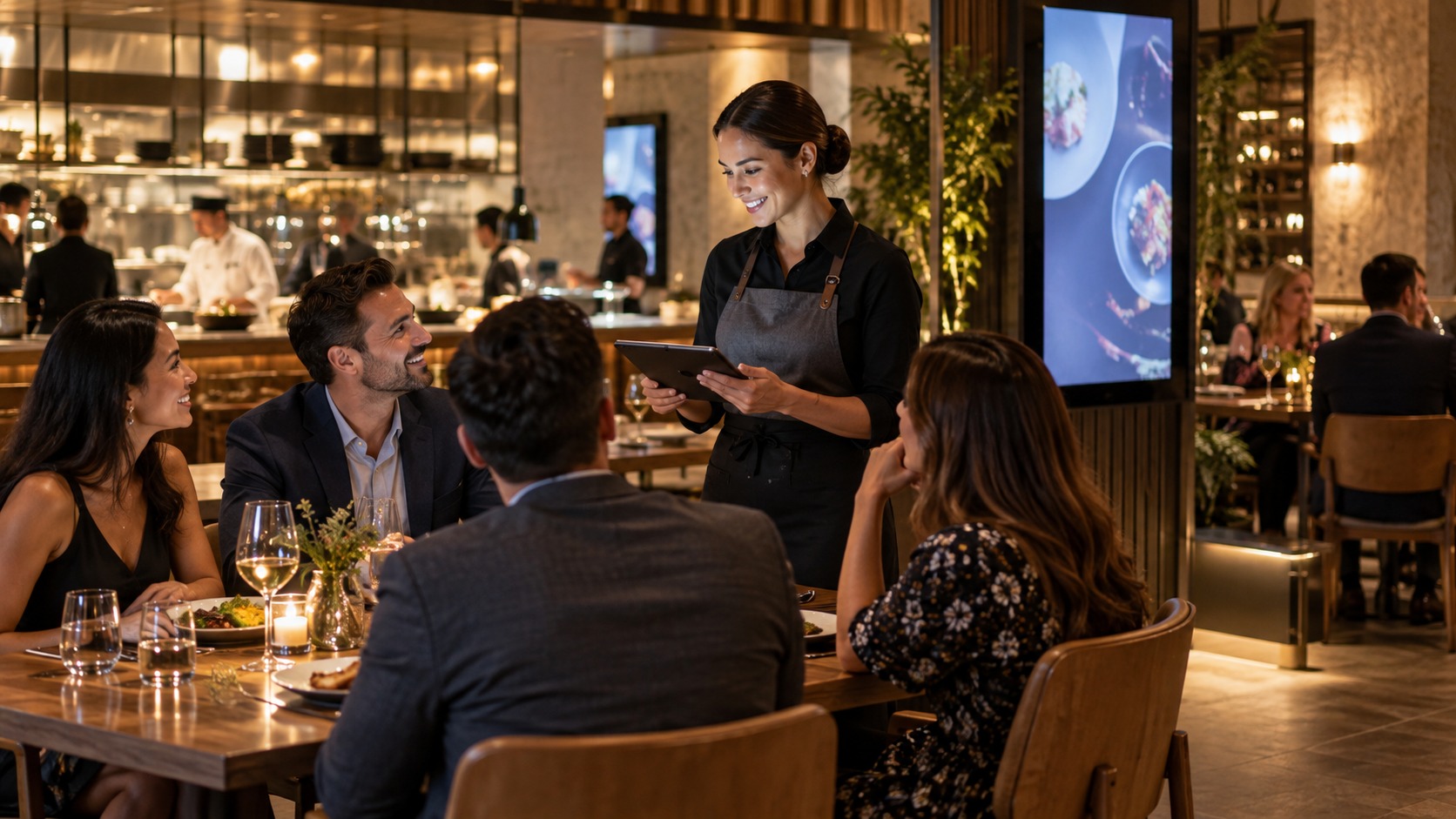
Modern hospitality spaces are increasingly designed around experiences rather than static functions. Guests are no longer satisfied with simply checking in and checking out; they want environments that engage the senses and invite exploration. Lobbies have evolved into social hubs that blur the lines between lounge, café, co-working space, and cultural venue. These multifunctional areas encourage interaction, spontaneity, and a sense of belonging, transforming first impressions into lasting emotional connections.
Designers now prioritize journey-based layouts that guide guests through a narrative, using lighting, materials, textures, and spatial transitions to create moments of discovery. From dramatic entryways to intimate corners for quiet reflection, every design decision contributes to an orchestrated experience. This shift has elevated hospitality interiors into immersive environments where guests feel like participants rather than passive occupants.
Biophilic Design and the Return to Nature
One of the most influential trends shaping modern hospitality spaces is biophilic design. Rooted in the human desire to connect with nature, this approach integrates natural elements into built environments to enhance well-being and comfort. Hotels and restaurants are embracing organic materials such as wood, stone, clay, and linen, along with indoor greenery, living walls, and water features that bring a sense of calm and vitality indoors.
Natural light plays a crucial role in this movement, with expansive windows, skylights, and open courtyards becoming defining features of contemporary hospitality design. These elements not only reduce energy consumption but also create uplifting spaces that align with guests’ growing preference for wellness-focused environments. By fostering a seamless connection between interior and exterior spaces, biophilic design reinforces the idea that hospitality spaces should rejuvenate both body and mind.
Sustainability as a Core Design Philosophy
Sustainability is no longer an optional feature or a marketing add-on; it has become a foundational principle in hospitality design. Modern travelers are increasingly conscious of their environmental impact, and they expect brands to reflect responsible values through both operations and aesthetics. As a result, designers are prioritizing eco-friendly materials, energy-efficient systems, and low-impact construction methods.
Reclaimed wood, recycled metals, low-VOC finishes, and locally sourced materials are now common in forward-thinking hospitality spaces. These choices not only reduce environmental footprints but also add authenticity and character to interiors. Sustainability is also influencing long-term design strategies, with modular furniture, adaptable layouts, and durable finishes that minimize waste and extend the lifespan of spaces. The result is design that feels purposeful, ethical, and deeply aligned with modern guest expectations.
Technology-Integrated Comfort and Smart Spaces
Technology has become an invisible yet essential component of modern hospitality design. Rather than dominating the aesthetic, technology is seamlessly integrated to enhance comfort, convenience, and personalization. Smart lighting systems, climate controls, and voice-activated features allow guests to tailor their environment to their preferences, creating a sense of control and ease.
Public spaces are also evolving to support digital lifestyles. Charging stations, high-speed connectivity, and flexible seating arrangements cater to remote workers and digital nomads who seek environments that blend productivity with leisure. Behind the scenes, data-driven design enables operators to optimize layouts, improve energy efficiency, and refine guest experiences based on real-time insights. This thoughtful integration of technology ensures that modern hospitality spaces feel intuitive, responsive, and future-ready.
Hyper-Local Design and Authentic Storytelling
Today’s hospitality design celebrates a strong sense of place. Rather than relying on generic luxury aesthetics, designers are drawing inspiration from local culture, history, and craftsmanship to create spaces that feel authentic and rooted. This hyper-local approach transforms hotels and restaurants into cultural ambassadors, offering guests a meaningful connection to their destination.
Local materials, artisanal furnishings, regional art, and culturally inspired color palettes help tell a story that resonates with both visitors and the surrounding community. Even subtle design cues, such as locally inspired patterns or architectural references, can create a powerful narrative. By embracing local identity, hospitality spaces differentiate themselves in a competitive market while offering guests a richer, more memorable experience.
Flexible Spaces for a Hybrid Lifestyle
The rise of remote work and blended travel has reshaped how hospitality spaces are designed and used. Guests now expect environments that support both relaxation and productivity, leading to more flexible and adaptable layouts. Hotel rooms are being reimagined with ergonomic work areas, improved acoustics, and adjustable lighting that accommodate multiple uses throughout the day.
Public areas are also evolving to support hybrid lifestyles. Lounges double as informal meeting spaces, while cafés and bars transition seamlessly from daytime work zones to evening social hubs. This flexibility allows hospitality venues to serve a broader range of guests while maximizing the functionality and appeal of every square foot. Design that adapts to changing needs reflects a deeper understanding of modern travel behavior.
Wellness-Centered Design Beyond the Spa
Wellness has expanded far beyond traditional spa offerings to influence every aspect of hospitality design. Modern spaces are crafted to promote physical, mental, and emotional well-being through thoughtful layout, material choices, and sensory design. Soft textures, calming color palettes, and natural acoustics create environments that reduce stress and encourage relaxation.
Air quality, lighting temperature, and ergonomic design are increasingly prioritized to support healthy living. Some hospitality spaces incorporate meditation rooms, fitness-integrated layouts, and restorative outdoor areas that invite guests to slow down and reconnect. This holistic approach to wellness positions hospitality venues as sanctuaries rather than mere accommodations, aligning design with the growing demand for mindful travel experiences.
Bold Aesthetics and Expressive Design Statements
While minimalism once dominated hospitality interiors, contemporary design is embracing bolder expressions and distinctive visual identities. Designers are experimenting with rich color palettes, dramatic lighting, sculptural furniture, and layered textures to create spaces that are visually striking and emotionally engaging. These expressive elements serve as focal points that spark curiosity and encourage social sharing.
Statement design is often balanced with comfort and functionality, ensuring that bold aesthetics enhance rather than overwhelm the guest experience. This trend reflects a shift toward individuality and creativity, allowing hospitality brands to stand out through distinctive design language. In an era of visual storytelling, memorable interiors have become powerful brand assets.
Adaptive Reuse and Heritage-Inspired Spaces
Adaptive reuse has emerged as a compelling trend in modern hospitality design, blending sustainability with storytelling. By transforming historic buildings, warehouses, and industrial structures into hotels, restaurants, and cultural venues, designers preserve architectural heritage while introducing contemporary comfort. These spaces offer a sense of authenticity that new construction often struggles to replicate.
Exposed brick, original beams, and restored details are celebrated rather than concealed, creating a dialogue between past and present. Adaptive reuse not only reduces environmental impact but also adds depth and character to hospitality spaces. Guests are drawn to environments that feel storied and unique, making heritage-inspired design a powerful differentiator.
Socially Conscious and Inclusive Design
Inclusivity and social responsibility are increasingly shaping hospitality design decisions. Modern spaces are designed to be accessible, welcoming, and representative of diverse communities. Universal design principles ensure that environments are navigable and comfortable for guests of all abilities, while thoughtful layouts promote inclusivity without drawing attention to accommodations.
Designers are also considering social impact, creating spaces that foster community engagement and cultural exchange. From locally owned partnerships to community-driven art installations, hospitality spaces are becoming platforms for connection and positive change. This socially conscious approach reinforces the idea that design has the power to influence not only guest experiences but also broader societal values.
The Role of Sensory Design in Guest Experience
Sensory design has become a key focus in modern hospitality environments, recognizing that memorable experiences engage more than just sight. Soundscapes, scent branding, tactile materials, and lighting dynamics are carefully curated to evoke specific emotions and reinforce brand identity. Subtle background music, textured surfaces, and signature scents create layered experiences that linger in guests’ memories.
Lighting, in particular, plays a transformative role, shifting throughout the day to match natural rhythms and enhance mood. By engaging multiple senses, hospitality spaces create immersive environments that feel cohesive and intentional. This attention to sensory detail elevates design from visual appeal to emotional resonance.
Future-Forward Hospitality Design
As the hospitality industry continues to evolve, design will remain a critical driver of innovation and differentiation. Future-forward hospitality spaces will prioritize adaptability, sustainability, and emotional connection, responding to shifting guest expectations and global challenges. Designers will continue to explore new materials, technologies, and storytelling techniques that push the boundaries of what hospitality environments can offer.
Ultimately, the most successful hospitality designs will be those that balance aesthetics with purpose, luxury with responsibility, and innovation with authenticity. By embracing trends that reflect human needs and values, modern hospitality spaces are transforming into meaningful destinations that inspire, comfort, and connect.
Conclusion: Redefining the Hospitality Experience Through Design
Design trends transforming modern hospitality spaces reflect a deeper understanding of how environments shape experiences, emotions, and memories. From biophilic elements and sustainable practices to technology-enhanced comfort and authentic local storytelling, today’s hospitality design is holistic, intentional, and deeply human. These trends are not fleeting styles but strategic responses to evolving guest expectations and cultural shifts.
As hospitality continues to redefine itself in a competitive and experience-driven landscape, design will remain at the heart of differentiation and success. By creating spaces that are immersive, flexible, and emotionally engaging, hospitality brands can forge lasting connections with guests and set new standards for what it means to truly welcome the world.
TV Top 10 Product Reviews
Explore Philo Street’s TV Top 10 Product Reviews! Discover the top-rated TVs, accessories, streaming devices, and home theater gear with our clear, exciting comparisons. We’ve done the research so you can find the perfect screen and setup for your entertainment experience!