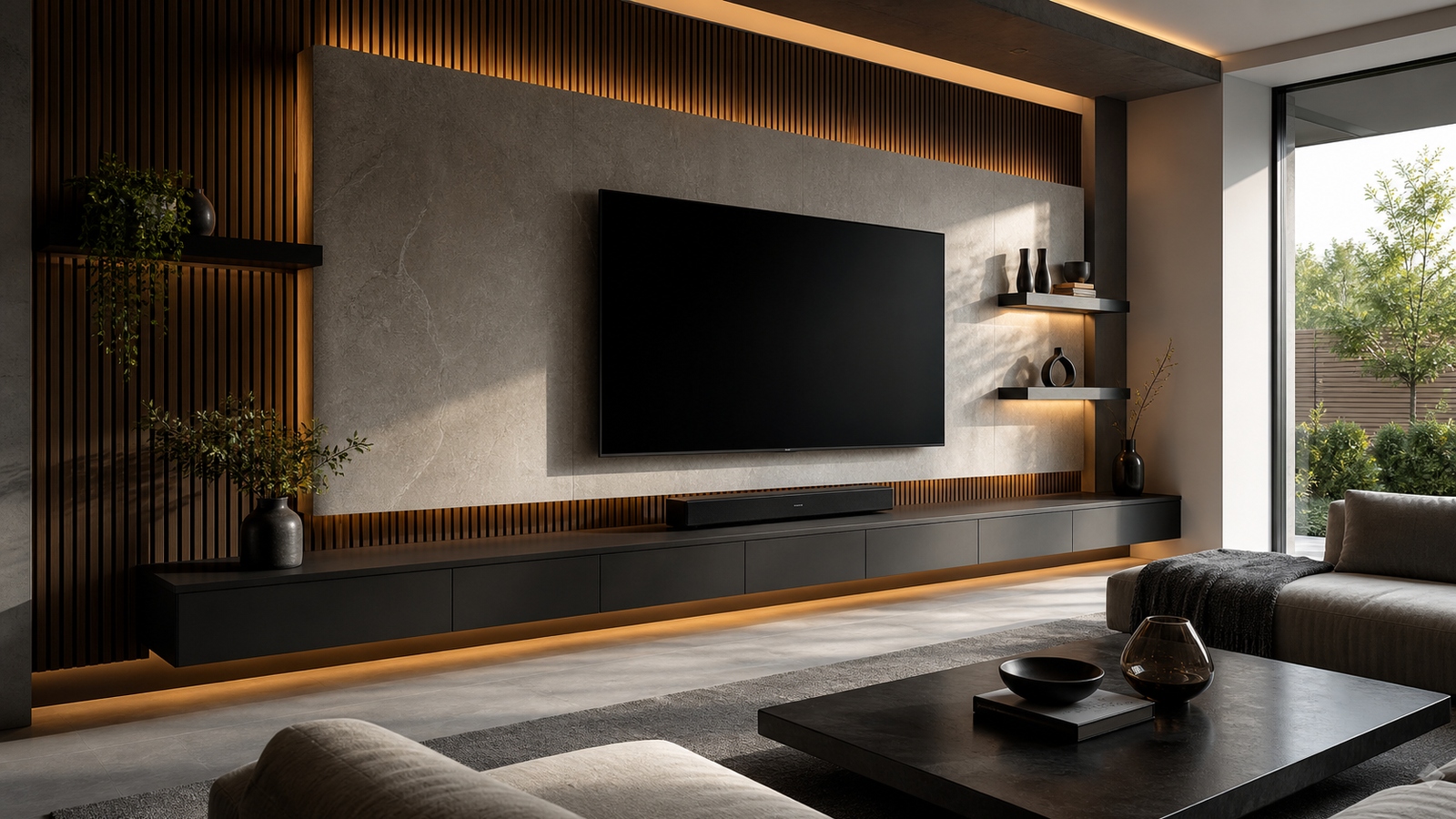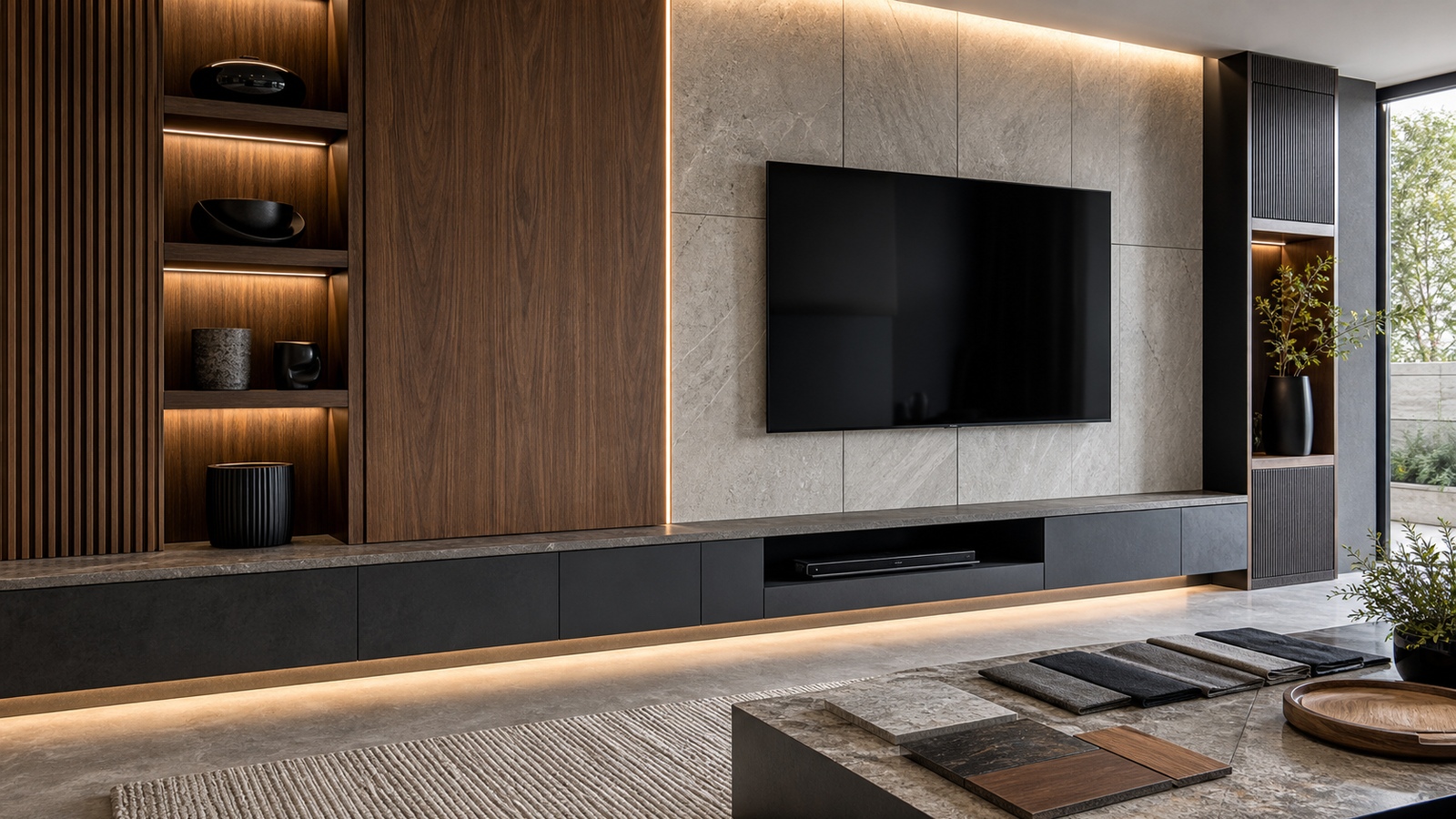

Media Walls That Transform Living Rooms Into Cinematic Spaces
In today’s design-forward homes, the living room is no longer just a place for casual gatherings or background television noise. It has evolved into a central entertainment hub, a statement of personal style, and increasingly, a cinematic escape. Media walls are at the forefront of this transformation. By seamlessly integrating large-format displays, immersive audio systems, ambient lighting, and architectural detailing, a well-designed media wall can convert an ordinary living room into a true home cinema experience. More than a mounting solution for a television, media walls are architectural features that redefine space, improve functionality, and elevate daily living. As homeowners seek immersive entertainment, smart technology integration, and refined aesthetics, media walls are emerging as one of the most desirable living room upgrades.
What Is a Media Wall?
A media wall is a purpose-built feature wall designed to house and highlight audiovisual components such as televisions, projectors, speakers, gaming consoles, and streaming devices. Unlike a simple TV stand or floating shelf, a media wall is integrated into the room’s architecture. It may include recessed niches, custom cabinetry, acoustic paneling, LED lighting, fireplaces, and decorative finishes like stone, wood slats, or high-gloss panels.
The goal of a media wall design is twofold: to create a visually cohesive focal point and to optimize the viewing and listening experience. This means concealing cables, balancing proportions, ensuring ideal screen height, and incorporating sound-enhancing materials. When executed properly, a media wall doesn’t feel like a piece of furniture added after the fact. It feels like the room was built around it.
The Rise of the Cinematic Living Room
The demand for cinematic living rooms has surged in recent years. Advances in 4K and 8K televisions, OLED and QLED display technologies, Dolby Atmos surround sound systems, and smart home integration have made theater-level performance accessible in residential spaces. Streaming platforms now offer content in ultra-high definition with advanced sound formats, encouraging homeowners to recreate the immersive experience of commercial cinemas.
At the same time, open-concept floor plans have shifted how living rooms function. With fewer walls and more visual continuity between kitchen, dining, and lounge areas, design cohesion is critical. A thoughtfully constructed media wall anchors the space and establishes a strong visual center. It brings order to open layouts while delivering a premium entertainment environment.
Architectural Design Elements That Elevate a Media Wall
The most transformative media walls rely on architectural detailing rather than technology alone. Materials, scale, and proportion define the impact.
Floor-to-ceiling installations create drama and maximize vertical space. By extending cabinetry or paneling upward, designers emphasize height and give the wall a custom-built feel. Built-in shelving flanking the screen can showcase curated decor, books, or art, softening the technical presence of the television.
Textured materials such as fluted wood panels, stone veneers, microcement, or acoustic fabric panels add depth and visual interest. These finishes prevent the wall from feeling flat or overly electronic. When combined with concealed LED backlighting, the textures cast subtle shadows that enhance the cinematic ambiance.
Linear electric fireplaces integrated beneath the television are increasingly popular. They provide warmth, visual balance, and a luxury aesthetic. When proportioned correctly, the combination of screen and fire feature creates a layered focal point that feels both modern and inviting.
Lighting: The Secret Ingredient in Cinematic Media Walls
Lighting is one of the most critical components in transforming a living room into a cinematic space. Poor lighting can cause glare, reduce contrast, and strain the eyes. A well-designed media wall uses layered lighting to support immersive viewing.
Bias lighting behind the television reduces eye fatigue and enhances perceived contrast, making blacks appear deeper and colors more vibrant. Recessed LED strips within shelving niches provide soft accent illumination without overwhelming the screen. Dimmable ceiling lights or smart lighting systems allow homeowners to transition seamlessly from bright social gatherings to low-light movie nights.
Integrated lighting also enhances architectural features. Wash lighting across textured panels or downlights within vertical slats create depth and sophistication. When lighting is programmable, scenes can be customized for gaming, sports viewing, or cinematic experiences, further enhancing versatility.
Sound Design and Acoustic Optimization
True cinematic spaces are defined as much by sound as by visuals. A media wall offers an opportunity to integrate high-performance audio systems while maintaining clean aesthetics.
In-wall or in-ceiling speakers create a clutter-free appearance while delivering surround sound. Acoustic panels concealed behind fabric or decorative slats absorb excess reverberation, improving clarity and dialogue intelligibility. Subwoofers can be integrated into cabinetry or hidden within custom enclosures to preserve minimalism without sacrificing bass performance.
Proper speaker placement is essential. Front left, center, and right channels should align with the screen for accurate sound staging. Dolby Atmos setups may incorporate height speakers to produce overhead effects, replicating the immersive quality of commercial theaters. When audio components are thoughtfully integrated into the media wall’s design, they enhance performance without dominating the room visually.
Smart Technology Integration
Modern media walls often serve as control hubs for smart homes. Integrated wiring conduits, concealed power management systems, and centralized control panels streamline connectivity. Voice assistants, universal remotes, and automation platforms allow homeowners to adjust lighting, temperature, and audiovisual settings with a single command.
Motorized mounts can adjust screen angles for optimal viewing. Hidden compartments can store gaming consoles, streaming devices, or routers while maintaining ventilation. Some media walls even incorporate retractable projector screens for hybrid TV and projector setups.
The seamless integration of technology ensures that the cinematic environment is intuitive rather than complicated. The objective is not simply to install high-tech equipment but to create a user-friendly entertainment ecosystem.
Design Styles for Every Living Room
Media walls are highly adaptable and can align with virtually any interior design style.
In contemporary spaces, sleek matte finishes, handleless cabinetry, and monochromatic color palettes create a minimalist cinematic backdrop. Glossy panels or high-contrast black-and-white themes emphasize modern sophistication.
For rustic or transitional interiors, wood paneling, stone cladding, and warm ambient lighting create a cozy yet dramatic atmosphere. Traditional homes may incorporate molding details, symmetrical shelving, and custom cabinetry to blend the media wall seamlessly with classic architecture.
Industrial-inspired designs might feature exposed concrete textures, metal accents, and bold lighting fixtures. The versatility of media wall design ensures that functionality and aesthetics work in harmony.
Maximizing Small Living Rooms
Media walls are not reserved for expansive luxury homes. In smaller living rooms, they can actually improve space efficiency. Wall-mounted displays free up floor space, and built-in storage reduces the need for bulky furniture. Vertical shelving takes advantage of unused height, while concealed compartments minimize visual clutter.
Slim-profile cabinetry and light-colored finishes help smaller rooms feel open and airy. Strategic lighting enhances perceived depth. Even compact apartments can achieve a cinematic feel through smart layout planning and proportional design.
The key is scale. Oversized screens or overly elaborate installations can overwhelm small spaces. Designers must balance visual impact with practicality.
Creating a True Home Theater Atmosphere
To truly transform a living room into a cinematic space, attention must extend beyond the media wall itself. Seating arrangement plays a critical role. Sectionals or theater-style recliners should be positioned at optimal viewing distances. Rugs and upholstered furniture improve acoustics by absorbing sound reflections.
Window treatments such as blackout curtains or motorized shades control ambient light during daytime viewing. Wall colors matter as well. Darker tones enhance contrast and reduce glare, contributing to a theater-like ambiance.
The media wall becomes the anchor, but the surrounding elements complete the cinematic transformation.
Energy Efficiency and Sustainability
As sustainability becomes a priority in home design, media walls can incorporate energy-efficient solutions. LED lighting consumes minimal power and generates less heat. Modern televisions are more energy-efficient than previous generations, and smart power management systems prevent standby energy waste.
Sustainable materials such as reclaimed wood, low-VOC finishes, and responsibly sourced stone add environmental value. Proper ventilation planning also prevents overheating of electronic components, extending their lifespan and reducing replacement frequency.
Designing with longevity in mind ensures that the media wall remains functional and relevant for years to come.
The Investment Value of Media Walls
A well-executed media wall can significantly enhance property appeal. In competitive real estate markets, integrated entertainment features signal luxury and modern living. Buyers increasingly seek turnkey homes with built-in technology and cohesive design.
Custom media walls demonstrate attention to detail and thoughtful planning. Unlike standalone furniture, they are perceived as architectural upgrades. When designed tastefully and proportionally, they add value without feeling overly personalized.
Homeowners who prioritize quality materials and professional installation are more likely to see a return on investment.
Planning and Professional Installation
While some homeowners attempt DIY media wall projects, professional planning is often advisable. Structural considerations, electrical wiring, ventilation, and load-bearing capacity must be addressed correctly. Improper mounting or insufficient cable management can compromise safety and aesthetics.
Designers and contractors collaborate to ensure that screen height, seating distance, and speaker placement align with industry standards. Precise measurements and renderings help visualize the final result before construction begins.
Professional execution minimizes costly errors and ensures that the finished installation delivers both visual impact and technical excellence.
Future Trends in Media Wall Design
Media wall innovation continues to evolve. Ultra-thin micro-LED panels, modular display systems, and transparent screens are expanding design possibilities. Hidden televisions that blend into artwork when not in use are gaining popularity, allowing the wall to serve dual purposes.
Adaptive lighting systems synchronized with on-screen content create immersive environments. Acoustic materials are becoming more stylish and customizable. As technology advances, media walls will continue to integrate seamlessly with architectural elements, blurring the line between electronics and design.
The future of living room entertainment lies in intelligent integration rather than visible hardware.
Transforming Everyday Living
Media walls are more than decorative features. They redefine how families experience entertainment, relaxation, and social gatherings. They eliminate clutter, enhance acoustics, and establish a striking focal point. Most importantly, they elevate the emotional experience of watching a film, streaming a series, or hosting a game night.
By combining architectural precision, advanced audiovisual technology, and thoughtful lighting design, media walls transform living rooms into cinematic spaces that rival professional theaters. Whether minimalist or luxurious, compact or expansive, a well-designed media wall turns ordinary evenings into immersive experiences.
For homeowners seeking to modernize their interiors and enhance daily life, investing in a custom media wall is not merely a design trend. It is a strategic, aesthetic, and functional upgrade that brings the magic of cinema home.
TV Top 10 Product Reviews
Explore Philo Street’s TV Top 10 Product Reviews! Discover the top-rated TVs, accessories, streaming devices, and home theater gear with our clear, exciting comparisons. We’ve done the research so you can find the perfect screen and setup for your entertainment experience!