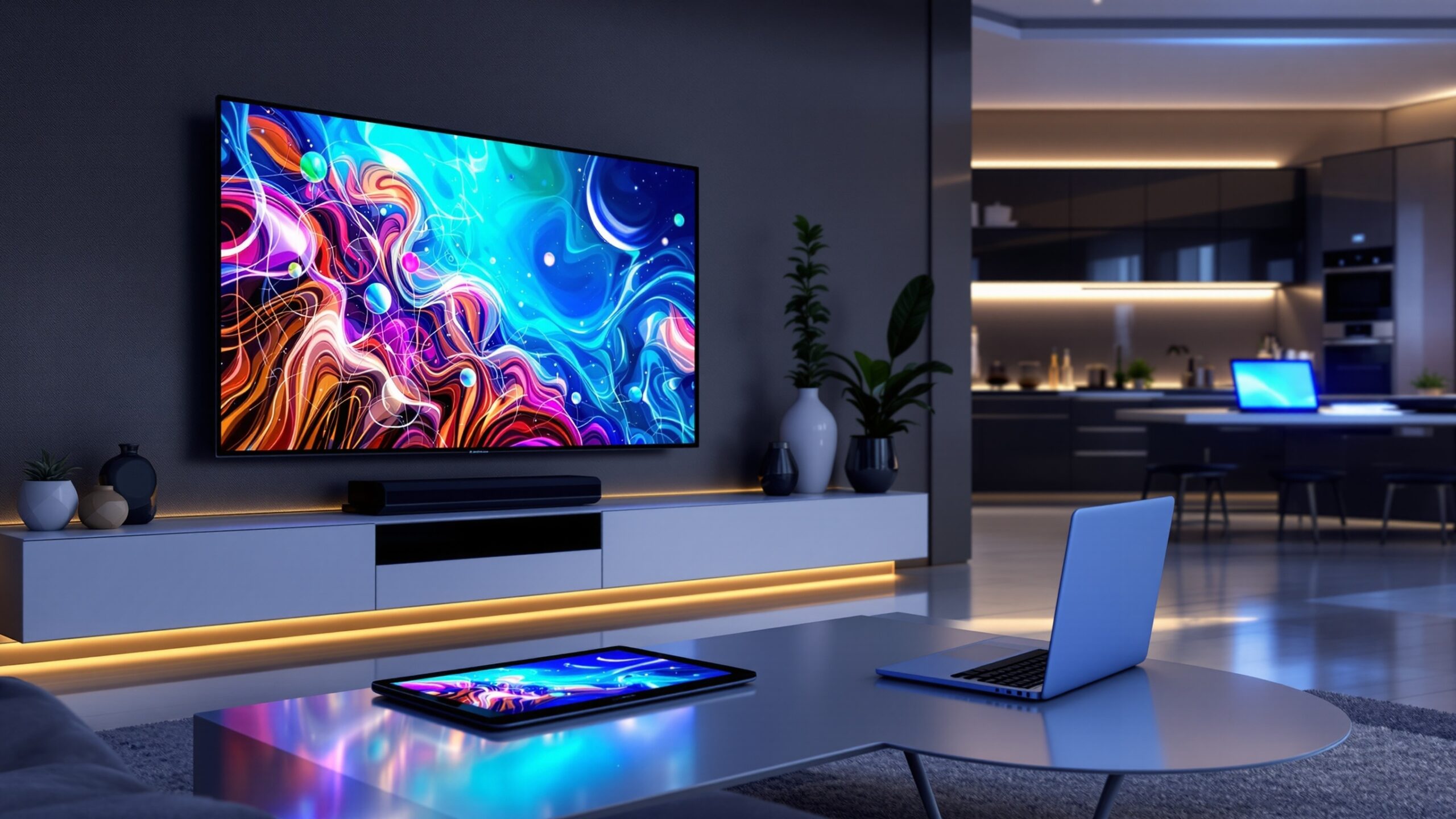

Inside the Modern Smart Space: Technology That Adapts to You
The concept of a “smart space” has evolved far beyond voice assistants and automated lights. Today, the modern smart space represents an intelligent environment designed to learn, adapt, and respond to the people who live and work within it. Advances in artificial intelligence, sensors, connectivity, and automation have transformed ordinary rooms into dynamic ecosystems that respond to behavior, preferences, and real-time conditions. From homes that anticipate your arrival to offices that adjust lighting based on productivity needs, smart spaces are redefining how we interact with the built environment. Inside these adaptive environments, technology fades quietly into the background while convenience, efficiency, and comfort come to the forefront. Instead of forcing people to adjust to technology, smart spaces are built to understand people first. They observe patterns, analyze data, and respond in subtle but powerful ways that enhance daily life. As these systems continue to evolve, the modern smart space is quickly becoming one of the most influential innovations shaping architecture, design, and everyday living.
The Evolution of Smart Spaces
To understand today’s intelligent environments, it helps to look at how smart spaces evolved. Early smart home technology focused primarily on remote control. Homeowners could turn lights on with a smartphone or adjust the thermostat remotely. While convenient, these early systems still required direct input from users.
The next phase introduced automation. Systems could trigger actions based on schedules or simple conditions. Lights might turn on at sunset, thermostats could adjust when occupants left the house, and security cameras could detect motion.
Modern smart spaces, however, operate at a much deeper level. Rather than relying solely on programmed instructions, they incorporate machine learning and contextual awareness. Sensors track occupancy, air quality, temperature, sound levels, and lighting conditions. Artificial intelligence analyzes patterns over time, allowing the environment to anticipate needs instead of waiting for commands. In many ways, smart spaces represent the shift from “connected devices” to “intelligent environments.” The focus is no longer individual gadgets but rather the integration of technology across an entire space.
How Smart Spaces Learn Human Behavior
One of the most remarkable aspects of modern smart spaces is their ability to learn from the people who use them. Through a network of sensors and data analysis, these environments observe daily routines and gradually adapt. For example, a smart home might notice that residents typically lower the lights around 9 p.m., adjust the thermostat slightly cooler at night, and play relaxing music before bed. After identifying these patterns, the system can begin performing these actions automatically.
This learning process relies heavily on machine learning algorithms. These algorithms identify patterns in behavior and environmental conditions, creating predictive models that guide automation decisions. Over time, the system becomes increasingly personalized. Instead of manually adjusting dozens of settings throughout the day, occupants benefit from an environment that intuitively responds to them. The room becomes an intelligent partner in daily life.
The Role of Artificial Intelligence in Smart Environments
Artificial intelligence serves as the brain behind modern smart spaces. While sensors collect data and connected devices carry out actions, AI interprets information and makes decisions. AI-driven platforms can process massive amounts of environmental and behavioral data in real time. This allows the system to coordinate lighting, temperature, sound, security, and energy management simultaneously.
For example, if an AI system detects that sunlight is entering a room and increasing the temperature, it might automatically lower smart shades, reduce heating output, and adjust lighting levels to maintain a consistent atmosphere.
In office environments, AI-powered smart spaces can monitor occupancy patterns to optimize meeting room usage, reduce energy consumption, and even adjust air circulation for healthier indoor environments. The goal is to create spaces that are not only automated but also intelligent enough to understand context.
Smart Sensors: The Hidden Network Behind the Scenes
Sensors are the quiet backbone of every smart space. Without them, intelligent environments would have no awareness of the world around them. Modern smart spaces rely on a wide variety of sensors that monitor conditions continuously. Motion sensors detect presence and movement. Light sensors measure natural illumination. Air quality sensors monitor humidity, carbon dioxide levels, and pollutants. Sound sensors can even detect noise levels or identify specific acoustic patterns.
Together, these sensors create a comprehensive understanding of the environment. Data flows continuously to central platforms where it is analyzed and used to guide automation decisions.
Because sensors are becoming smaller, cheaper, and more energy-efficient, they can now be embedded almost anywhere. They may be hidden within lighting fixtures, walls, furniture, or ceilings, creating a seamless network of awareness throughout a space.
Lighting That Responds to Mood and Activity
Lighting is one of the most noticeable aspects of a smart environment. Intelligent lighting systems go far beyond simple on-and-off automation.
Modern smart lighting can adapt brightness, color temperature, and intensity based on time of day, activity, or mood. In the morning, lighting might gradually brighten with cooler tones that mimic natural daylight, helping occupants wake up naturally. In the evening, warmer tones can promote relaxation and signal the body that it is time to unwind.
Some systems even adjust lighting dynamically based on the amount of natural sunlight entering the room. This maintains consistent brightness levels while conserving energy. In workplaces, adaptive lighting can improve focus and reduce eye strain. Studies have shown that lighting conditions significantly influence productivity and well-being, making smart lighting one of the most impactful components of intelligent spaces.
Climate Control That Understands Comfort
Temperature is another key element of a smart space. Traditional thermostats operate on fixed schedules or manual adjustments, but intelligent climate systems respond dynamically to both environmental changes and human behavior.
Smart climate systems analyze factors such as occupancy, weather forecasts, humidity levels, and energy costs. By combining this information, they can maintain comfortable temperatures while minimizing energy consumption.
For instance, if the system detects that no one is in a particular room, it may reduce heating or cooling in that area. When occupants return, the system can quickly restore comfortable conditions.
Advanced climate platforms also learn individual comfort preferences. Over time, they develop profiles for different users, allowing each room to adapt to personal temperature preferences automatically.
Voice Interfaces and Natural Interaction
While automation operates quietly in the background, voice interfaces provide a natural way for people to interact with smart spaces.
Voice assistants allow occupants to control lighting, temperature, music, and devices using conversational commands. Instead of navigating complex apps or switches, users can simply speak.
Natural language processing has improved dramatically in recent years. Modern systems can understand context, recognize multiple users, and even interpret conversational nuances.
In a well-designed smart space, voice control becomes just one layer of interaction. Physical controls, smartphone apps, gesture recognition, and automation routines all work together to create a seamless user experience.
Energy Efficiency and Sustainability
One of the most powerful benefits of smart spaces is their ability to improve energy efficiency. Buildings account for a significant portion of global energy consumption, and intelligent technologies offer new ways to reduce waste.
Smart systems can automatically adjust lighting, heating, and cooling based on occupancy. They can monitor energy usage in real time and identify opportunities for optimization.
For example, a smart office might detect that certain conference rooms remain unused for long periods. Instead of heating and lighting these spaces continuously, the system can scale down energy usage until they are needed.
Residential smart spaces also benefit from energy monitoring dashboards that help homeowners understand their consumption patterns. By visualizing energy data, people can make informed decisions that reduce both costs and environmental impact.
Smart Security and Safety Systems
Security technology has also been transformed by smart environments. Modern smart security systems combine cameras, sensors, and AI analysis to create a proactive safety network. Instead of simply recording footage, intelligent security platforms analyze activity patterns. They can differentiate between normal household activity and unusual events that may require attention.
Smart doorbells with facial recognition can identify visitors and send notifications to homeowners. Motion sensors and cameras can track activity around the property while minimizing false alarms.
In addition to security, smart spaces can improve safety through environmental monitoring. Sensors can detect smoke, carbon monoxide, water leaks, or unusual temperature changes. When potential hazards are detected, alerts are sent immediately and automated responses can be triggered.
The Rise of Intelligent Workspaces
Smart space technology is not limited to residential environments. Offices, schools, hospitals, and public buildings are increasingly adopting intelligent systems. In modern workplaces, smart environments help optimize productivity and collaboration. Sensors track occupancy levels and adjust lighting, ventilation, and temperature accordingly.
Meeting rooms can automatically prepare themselves for scheduled gatherings. Screens activate, lighting adjusts for presentations, and remote conferencing systems connect automatically. These intelligent workspaces also provide valuable data for building managers. By analyzing how spaces are used, organizations can redesign layouts, improve efficiency, and reduce operational costs.
Personalization and Digital Identity
One of the most exciting aspects of modern smart spaces is personalization. Instead of offering a one-size-fits-all environment, intelligent systems can tailor settings to each individual. This personalization often relies on digital identity recognition. Smartphones, wearable devices, or biometric systems allow the environment to recognize who has entered the room.
Once identified, the system can adjust lighting, temperature, music preferences, and workspace settings according to the individual’s profile. In shared environments such as offices or hotels, this level of personalization creates a seamless and comfortable experience. Imagine walking into a hotel room where the lighting, temperature, and entertainment settings instantly match your preferences. This type of adaptive environment is quickly becoming possible.
Privacy and Ethical Considerations
Despite their many benefits, smart spaces also raise important questions about privacy and data security. Because these environments rely on sensors and data analysis, they inevitably collect information about occupants. Designing ethical smart spaces requires careful consideration of how data is collected, stored, and used. Transparency is essential. Users should understand what information is being gathered and how it contributes to improving their environment.
Many modern platforms now prioritize local data processing, meaning information can be analyzed within the home or building rather than being transmitted to external servers. This approach enhances both privacy and security. As smart space technology continues to expand, responsible design will play a critical role in maintaining user trust.
The Future of Adaptive Living Environments
The future of smart spaces promises even greater levels of intelligence and integration. Emerging technologies such as advanced AI, edge computing, and spatial computing will allow environments to become even more responsive.
Augmented reality interfaces may soon allow users to interact with smart environments visually, overlaying digital information onto physical spaces. Robots and autonomous systems may also play a role in maintaining and adapting environments in real time. Buildings themselves may become adaptive structures, capable of adjusting layouts, lighting, and acoustics dynamically based on occupant needs.
As technology continues to evolve, the line between architecture and digital systems will blur. Smart spaces will no longer feel like rooms filled with gadgets but rather environments that naturally understand and support human activity.
Living in Spaces That Understand Us
The modern smart space represents a fundamental shift in how technology interacts with the built environment. Instead of focusing on isolated devices, these environments integrate sensors, artificial intelligence, and automation into a cohesive system that adapts to human behavior. By learning patterns, responding to context, and optimizing conditions in real time, smart spaces create environments that are more comfortable, efficient, and personalized. From intelligent lighting and climate control to adaptive security and workspaces, these technologies are redefining everyday living. As adoption continues to grow, smart spaces will shape the future of architecture, interior design, and urban development. The rooms we inhabit will increasingly function as responsive partners in our daily lives. Inside the modern smart space, technology no longer demands attention. Instead, it quietly observes, learns, and adapts, creating environments that feel intuitive, supportive, and remarkably human-centered.
TV Top 10 Product Reviews
Explore Philo Street’s TV Top 10 Product Reviews! Discover the top-rated TVs, accessories, streaming devices, and home theater gear with our clear, exciting comparisons. We’ve done the research so you can find the perfect screen and setup for your entertainment experience!