
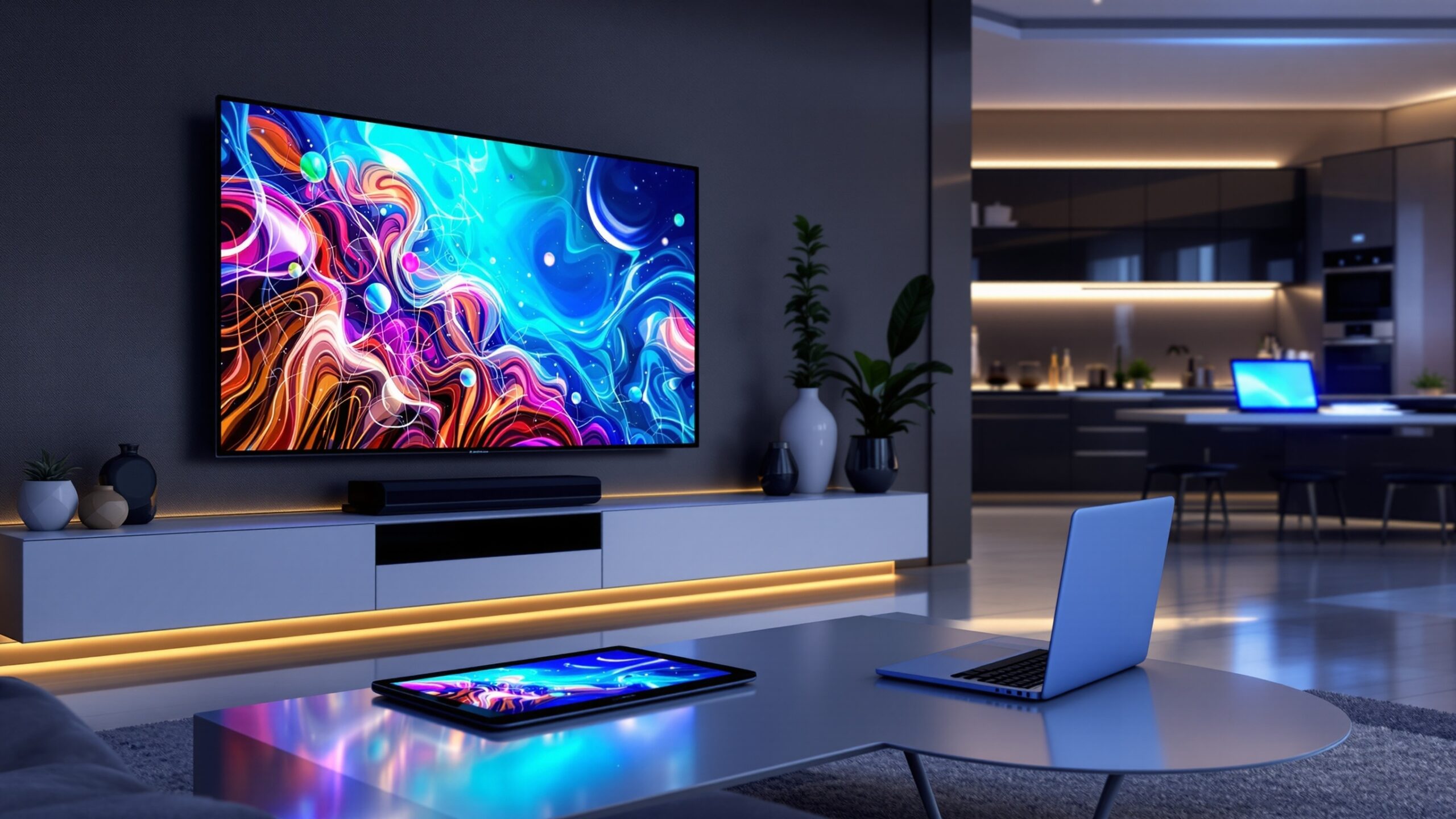
The Rise of the Multi-Screen Household
Not long ago, most homes revolved around a single screen. A television in the living room served as the primary source of entertainment, information, and family gathering. Today, that landscape has transformed dramatically. The modern household is increasingly defined by multiple screens operating simultaneously across different rooms and devices. Televisions, tablets, smartphones, laptops, gaming monitors, and smart displays now coexist in an interconnected ecosystem that shapes how people work, relax, learn, and communicate. This shift toward multi-screen homes reflects a broader technological and cultural evolution. As internet connectivity improves and digital platforms multiply, households are adapting to a lifestyle where screens are always within reach. Streaming services, cloud computing, smart home interfaces, and remote work tools have accelerated the need for flexible viewing and computing spaces. Rather than one shared screen dictating entertainment schedules, individuals can now personalize their digital experiences across multiple devices. The multi-screen home is not simply about owning more devices. It represents a deeper transformation in how modern families organize their daily routines, design their living spaces, and interact with technology. From the kitchen counter displaying recipes to the bedroom hosting late-night streaming sessions, screens have become embedded in nearly every corner of the modern household.
The Technology Driving Multi-Screen Living
Several technological developments have played a key role in making multi-screen homes practical and affordable. One of the most influential factors is the widespread availability of high-speed broadband and wireless networking. Modern Wi-Fi routers can handle dozens of connected devices simultaneously, allowing multiple screens to stream high-definition content without interruption.
Advancements in display technology have also made screens more accessible and versatile. Thin OLED panels, ultra-high-definition televisions, compact tablets, and lightweight laptops allow consumers to place screens almost anywhere. Even appliances such as refrigerators and mirrors now integrate digital displays, blending information and entertainment into everyday environments.
Cloud computing and cross-device synchronization further support the multi-screen lifestyle. Users can begin watching a show on a smartphone during a commute and continue on a living room television later in the evening. Documents created on a home office computer instantly appear on tablets or laptops in other rooms. This seamless transition between devices encourages households to adopt multiple screens as part of a cohesive digital ecosystem.
Voice assistants and smart home platforms add another layer of connectivity. A smart display in the kitchen can control lighting, show weather updates, play music, or display video calls. These devices often act as central hubs, coordinating interactions between different screens and connected appliances throughout the home.
Entertainment Without Boundaries
Perhaps the most visible sign of the multi-screen home is the transformation of entertainment. Streaming platforms have replaced traditional broadcast schedules, giving viewers complete control over what they watch and when they watch it. Families no longer need to agree on a single program at a specific time. Each person can enjoy personalized content on their preferred screen.
Living rooms still host large televisions for cinematic viewing experiences, but additional screens allow entertainment to follow people throughout the home. Tablets might accompany morning coffee in the kitchen, laptops may provide background videos during work sessions, and smartphones deliver quick bursts of entertainment during small breaks.
Gaming has also contributed significantly to the expansion of multi-screen households. Many gamers now use several displays simultaneously, combining high-resolution monitors for gameplay with additional screens for streaming, communication, or performance monitoring. Esports culture and game streaming platforms have normalized complex multi-monitor setups that were once limited to professional environments.
Children growing up in this environment view screens as a natural extension of daily life. Educational apps, digital classrooms, and interactive learning platforms encourage families to incorporate tablets and computers into study routines, further expanding the number of screens in use within a household.
Remote Work and the Home Office Revolution
The rapid growth of remote and hybrid work models has accelerated the adoption of multi-screen environments at home. Professionals who once relied on office workstations now replicate similar setups in their personal spaces. Multiple monitors, laptops, and tablets allow workers to manage email, video conferences, spreadsheets, and creative software simultaneously.
A multi-screen home office significantly improves productivity by enabling multitasking without constant window switching. One monitor might display a video call while another shows project documents and a third hosts communication tools. This layout mirrors the workflow of modern offices and has become increasingly common in households where remote work is a permanent arrangement.
Beyond productivity, multiple screens also support flexible working styles. Some people move between rooms throughout the day, transitioning from a formal desk setup to a more relaxed environment such as a couch or kitchen table. Portable devices like tablets and lightweight laptops make this fluid work pattern possible.
As remote work continues to influence lifestyle choices, many homeowners are redesigning spaces to accommodate dedicated workstations with multi-monitor configurations. This shift further reinforces the idea that screens are essential infrastructure within the modern household.
Multi-Screen Homes and the Evolution of Interior Design
The presence of multiple screens has begun influencing interior design trends. Designers and homeowners now consider how digital devices integrate with furniture, lighting, and architectural layouts. Rather than placing technology as an afterthought, many modern homes incorporate screens into the overall aesthetic.
Media walls have become a popular design feature, combining televisions, speakers, shelving, and lighting into a unified structure. These walls often hide cables and electronics while highlighting the display as a centerpiece of the room. In other areas of the home, smaller screens blend into the environment through minimalist stands, retractable mounts, or built-in cabinetry.
Kitchen design increasingly includes spaces for tablets or smart displays that assist with cooking instructions, grocery lists, and entertainment. Bedrooms may feature mounted televisions or charging stations for personal devices. Even bathrooms sometimes integrate waterproof displays or mirrors with embedded screens.
Interior designers now treat screens as functional design elements rather than temporary gadgets. This approach ensures that multi-screen homes remain visually cohesive while accommodating the growing number of devices residents rely on each day.
Family Life in a Multi-Screen Environment
The multi-screen household has reshaped family interactions in complex ways. On one hand, individual screens allow family members to pursue different interests simultaneously without conflict over shared devices. Teenagers may stream videos in their rooms while parents watch films in the living room and children play educational games on tablets.
At the same time, technology companies and content creators are developing new ways to encourage shared experiences across multiple screens. Interactive movie nights, synchronized streaming platforms, and multiplayer games allow families to enjoy content together even when using different devices.
Video calling has also strengthened connections between extended family members. Large smart displays or televisions can host group calls with relatives across the country, turning screens into digital gathering spaces that bridge geographic distance.
Balancing screen time remains an important consideration for families. Many households establish guidelines that encourage device-free meals or shared entertainment sessions to maintain meaningful personal interaction. The goal is not to eliminate screens but to integrate them thoughtfully into family life.
Education and Learning Across Screens
Multi-screen homes have transformed how people access education and learning opportunities. Online courses, virtual classrooms, and educational video platforms allow students of all ages to study from home. Multiple screens can support a more immersive learning experience by displaying lectures on one device while notes or research materials appear on another.
Students often use laptops or desktop monitors for coursework while tablets serve as digital notebooks. This arrangement allows them to organize assignments, collaborate with classmates, and conduct research efficiently. Educational platforms increasingly optimize content for cross-device use, recognizing that learners often switch between screens throughout the day.
For younger children, interactive educational apps and learning games provide engaging ways to develop literacy, math skills, and creativity. Parents can monitor progress through companion apps on their own devices, creating a connected learning ecosystem within the household.
The multi-screen environment also supports lifelong learning. Adults frequently watch instructional videos, participate in online workshops, or explore hobbies using multiple screens for demonstrations and reference materials.
Smart Homes and Integrated Displays
The rise of smart home technology has further expanded the number of screens in modern households. Smart displays now function as command centers that manage lighting, climate control, security systems, and connected appliances. These devices provide visual interfaces that simplify home automation tasks.
A smart display mounted in the hallway might show weather updates, calendar reminders, and security camera feeds. In the kitchen, a similar device can control music playlists while displaying step-by-step cooking instructions. These screens blend practical information with entertainment features, making them useful throughout the day.
Some homes now include dedicated control panels embedded in walls or furniture. These panels allow residents to manage multiple systems at once, from adjusting lighting scenes to viewing surveillance footage. As smart home ecosystems become more advanced, screens will continue to play a central role in managing connected living environments.
The Psychological Impact of Multi-Screen Living
The shift toward multi-screen homes has sparked ongoing discussions about its psychological effects. On one hand, access to multiple devices provides convenience, flexibility, and endless learning opportunities. Individuals can tailor their digital environments to match their personal interests and productivity needs.
However, the constant presence of screens also raises concerns about attention spans, digital fatigue, and information overload. Switching between devices and notifications can create a fragmented experience that makes it difficult to focus deeply on a single task.
Experts often recommend intentional device usage to maintain a healthy relationship with technology. Simple habits such as scheduling screen-free periods, adjusting notification settings, or creating dedicated relaxation spaces can help individuals maintain balance.
Despite these challenges, many households find that thoughtful integration of screens enhances productivity and creativity rather than diminishing it. The key lies in designing digital habits that complement daily routines rather than overwhelm them.
The Future of Multi-Screen Homes
Looking ahead, the multi-screen home is likely to evolve even further as display technology becomes more advanced and immersive. Flexible OLED panels, transparent screens, and augmented reality displays could dramatically expand where and how screens appear in everyday spaces.
Wearable displays and spatial computing devices may reduce the need for fixed screens in some contexts, while interactive surfaces could transform walls, tables, and countertops into dynamic digital interfaces. Instead of isolated devices, future homes may feature a seamless network of displays that respond automatically to user preferences.
Artificial intelligence will also play a larger role in coordinating multi-screen experiences. Smart systems could automatically shift content from one screen to another based on where a user is located within the home. A video paused in the living room might resume instantly on a kitchen display when someone walks in.
These innovations suggest that the concept of a multi-screen home will continue expanding, eventually becoming the standard environment for connected living.
A New Digital Household Standard
The multi-screen home represents more than a collection of devices. It reflects a fundamental shift in how modern households interact with technology, entertainment, work, and learning. Screens now serve as gateways to information, communication, and creativity, integrated into nearly every aspect of daily life.
As connectivity improves and digital tools become more sophisticated, the presence of multiple screens will feel increasingly natural. Homes will continue evolving into interactive environments where technology adapts seamlessly to human routines.
For many families, the multi-screen household has already become the new normal. It offers flexibility, convenience, and personalized experiences that traditional single-screen setups could never provide. While challenges remain in managing digital balance, the benefits of connected living are shaping the future of modern homes.
The era of the multi-screen household has arrived, and it is redefining what it means to live, work, and relax in a digitally connected world.
TV Top 10 Product Reviews
Explore Philo Street’s TV Top 10 Product Reviews! Discover the top-rated TVs, accessories, streaming devices, and home theater gear with our clear, exciting comparisons. We’ve done the research so you can find the perfect screen and setup for your entertainment experience!

