The Comeback of Retro Design in Modern Interiors
Retro design has re-emerged as one of the most compelling trends in contemporary interiors, offering a rich blend of nostalgia, personality, and visual storytelling. From mid-century modern silhouettes to bold 1970s palettes and even early 2000s revival touches, retro aesthetics bring a sense of character that sterile, minimalist spaces often lack. However, there is a fine line between a thoughtfully curated retro room and one that feels dated, cluttered, or trapped in the past. Designing a retro room that feels fresh requires a strategic approach. It is not about recreating a time capsule, but rather about translating the best elements of past eras into a modern context. The goal is to evoke the spirit of a bygone period while maintaining the comfort, functionality, and visual clarity expected in today’s interiors. When executed correctly, retro design becomes timeless rather than time-bound.
Understanding the Difference Between Vintage and Outdated
A critical step in designing a fresh retro space is understanding the distinction between “vintage” and “outdated.” Vintage refers to items and styles that have enduring aesthetic or cultural value. Outdated, on the other hand, suggests elements that no longer resonate visually or functionally.
A retro room becomes dusty when it leans too heavily into imitation without interpretation. For example, filling a space entirely with heavy, dark wood furniture, shag carpeting, and patterned wallpaper can quickly feel overwhelming. Instead, select signature elements from a specific era and allow them to breathe within a more contemporary framework.
The most successful retro interiors are curated, not crowded. They rely on contrast, restraint, and intentional design choices to keep the space feeling relevant and dynamic.
Start with a Clean, Modern Foundation
One of the most effective ways to keep retro design fresh is to begin with a modern architectural baseline. Clean walls, uncluttered layouts, and neutral flooring provide a canvas that allows retro elements to stand out without overwhelming the room.
Think of this foundation as a visual reset. White or soft neutral walls, streamlined trim, and minimal built-in features create balance. When retro furniture and décor are introduced into this environment, they feel elevated rather than heavy.
This approach also improves flexibility. By avoiding permanent retro fixtures, you can easily update or evolve the space over time without a full redesign.
Choose a Defined Era, Then Edit Ruthlessly
Retro design spans multiple decades, each with its own distinct language of shapes, materials, and color palettes. A common mistake is blending too many eras without cohesion, which can result in visual confusion.
Instead, select one primary era as your anchor. Whether it is the sleek geometry of the 1960s, the earthy tones of the 1970s, or the playful boldness of the 1980s, define your aesthetic direction early. Once chosen, incorporate elements from that period selectively and intentionally.
Editing is essential. Rather than filling every corner with themed items, choose standout pieces that capture the essence of the era. A single sculptural chair, a vintage credenza, or a retro-inspired lighting fixture can communicate more effectively than an entire room of competing elements.
Use Color Strategically for a Contemporary Feel
Color plays a defining role in retro design, but it must be handled carefully to avoid overwhelming the space. Retro palettes often include bold hues such as mustard yellow, avocado green, burnt orange, and deep teal. While these colors are iconic, using them excessively can make a room feel heavy or dated.
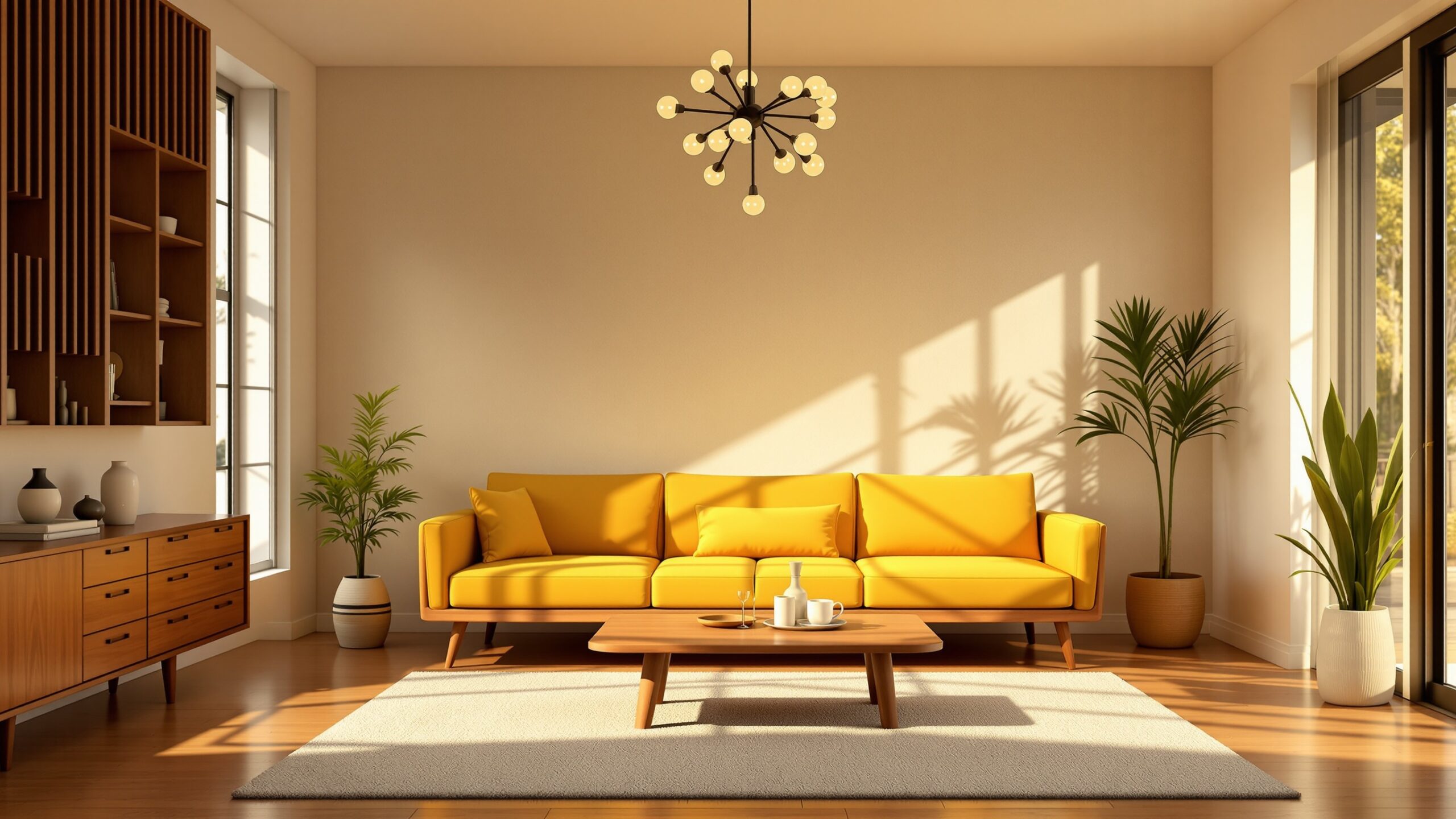
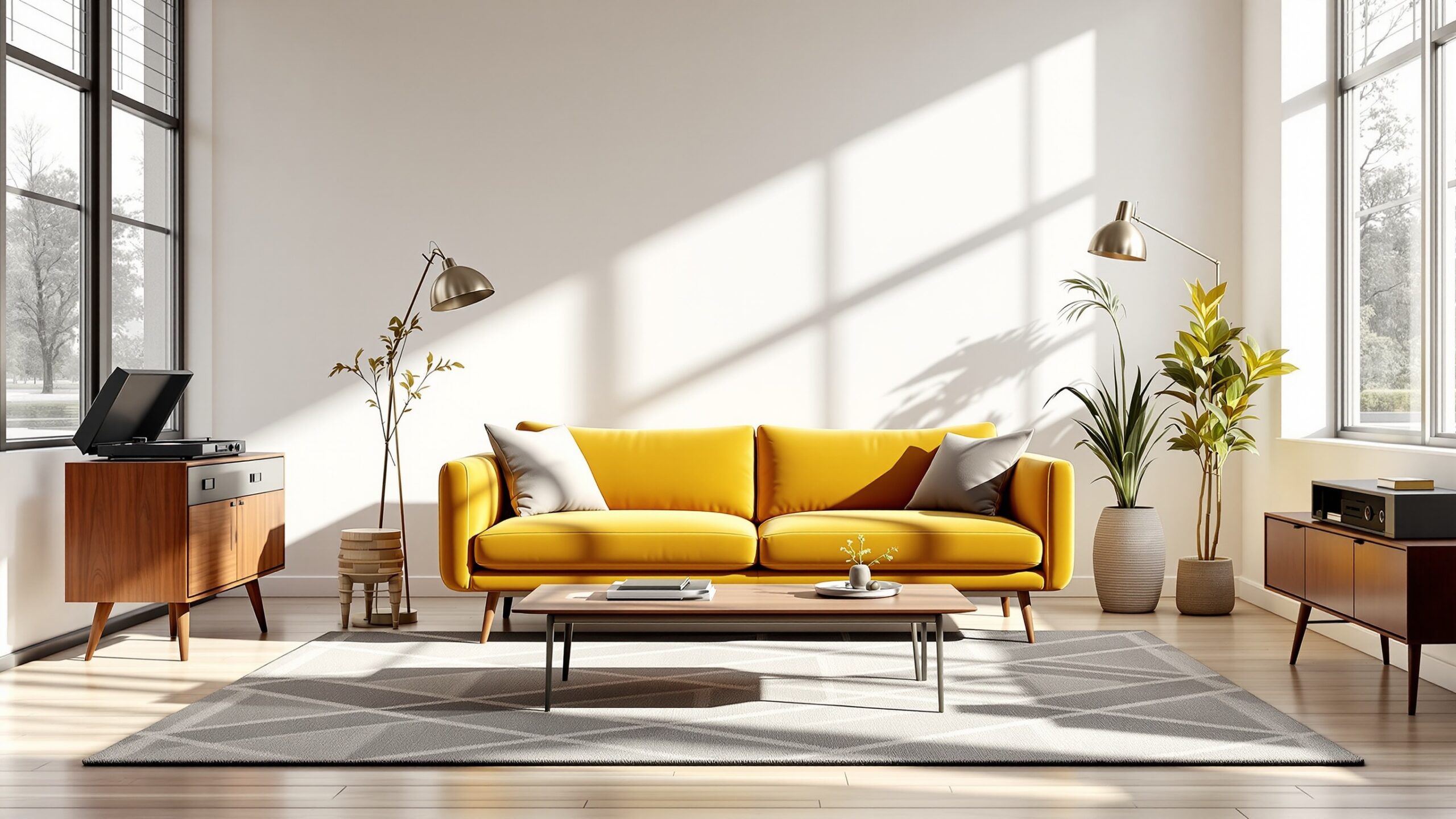
A modern approach involves using retro colors as accents rather than dominant forces. Pair bold tones with neutral backdrops to create contrast and clarity. For example, a mustard velvet sofa can feel sophisticated when set against crisp white walls and light wood flooring.
Layering color is another effective technique. Instead of large blocks of intense color, distribute hues across textiles, artwork, and accessories. This creates visual rhythm while maintaining balance.
Blend Retro Furniture with Contemporary Pieces
A fresh retro room thrives on juxtaposition. Mixing vintage furniture with contemporary pieces introduces contrast that keeps the space dynamic and current.
For instance, a mid-century coffee table can be paired with a modern sectional sofa. A vintage record player can sit alongside sleek, minimalist shelving. This blending of old and new prevents the room from feeling like a museum.
Scale and proportion also matter. Retro furniture often features lower profiles and organic shapes. Balancing these with modern elements that have clean lines and varied heights creates a layered, intentional look.
Update Materials and Finishes
Many retro materials, while visually appealing, can feel heavy or outdated if used excessively. Dark woods, thick upholstery, and glossy laminates were common in past decades, but modern design tends to favor lighter, more tactile finishes.
To keep the space fresh, reinterpret these materials. Choose lighter wood tones instead of deep mahogany. Opt for matte finishes over high gloss. Incorporate natural textures such as linen, wool, and leather to add warmth without visual weight.
Even when using authentic vintage pieces, consider subtle updates. Reupholstering a chair in a contemporary fabric or refinishing a surface can dramatically change how the piece interacts with the rest of the room.
Focus on Lighting as a Design Statement
Lighting is one of the most powerful tools for bridging retro and modern aesthetics. Iconic retro lighting designs, such as globe pendants, arc floor lamps, and sculptural chandeliers, can serve as focal points that define the room’s character.
To maintain a fresh feel, prioritize lighting quality as well as style. Warm, diffused light enhances the ambiance and highlights textures, while poor lighting can make even the most well-designed space feel dull.
Layered lighting is essential. Combine overhead fixtures with task and accent lighting to create depth and flexibility. Smart lighting systems can also be integrated discreetly, allowing you to adjust brightness and tone without compromising the retro aesthetic.
Incorporate Patterns Without Overloading the Space
Patterns are a hallmark of retro design, from geometric prints to bold florals and abstract motifs. While these patterns add energy and personality, they can quickly dominate a room if not used carefully.
The key is restraint. Choose one or two primary patterns and repeat them subtly across different elements, such as cushions, rugs, or artwork. This creates cohesion without visual clutter.
Balancing patterns with solid colors is equally important. Negative space allows the eye to rest and prevents the design from feeling chaotic. A patterned rug, for example, can be grounded by neutral furniture and simple wall treatments.
Embrace Technology Without Compromising Style
Modern living requires modern functionality. Integrating technology seamlessly into a retro room is essential for maintaining comfort and usability.
The challenge lies in doing so without disrupting the aesthetic. Choose technology with minimalist designs or conceal it within furniture and cabinetry. For example, a flat-screen television can be framed within a gallery wall or hidden behind sliding panels.
Audio systems, smart home devices, and charging stations can be incorporated discreetly. The goal is to ensure that the space feels current and convenient while preserving its retro character.
Curate Accessories with Intention
Accessories are where retro design truly comes to life, but they must be curated thoughtfully. Overloading a room with vintage items can create a sense of clutter and visual fatigue.
Instead, focus on a few meaningful pieces. Vintage books, ceramic vases, abstract sculptures, and retro artwork can add personality without overwhelming the space. Each item should feel intentional and contribute to the overall narrative of the room.
Grouping accessories can also enhance their impact. Arranging items in small clusters creates focal points and prevents the space from feeling scattered.
Maintain Clean Lines and Open Space
One of the defining characteristics of modern design is the emphasis on clean lines and open space. Incorporating these principles into a retro room ensures that it feels fresh rather than crowded.
Avoid overfilling the room with furniture or décor. Allow for breathing room between pieces, and prioritize functionality and flow. This not only improves the visual appeal but also enhances the usability of the space.
Furniture placement should encourage movement and interaction. Thoughtful spacing creates a sense of order and calm, even when bold retro elements are present.
Add Greenery for a Lively, Organic Touch
Plants are an effective way to modernize a retro interior. They introduce natural color, texture, and movement, which can soften the structured lines and bold colors often found in retro design.
Choose plants that complement the aesthetic of your chosen era. For example, large leafy plants such as monstera or rubber plants align well with mid-century and 1970s styles. Display them in simple, modern planters to maintain balance.
Greenery also enhances air quality and contributes to a more inviting atmosphere. It bridges the gap between past and present, making the space feel alive and dynamic.
Balance Nostalgia with Personal Expression
A retro room should not feel like a replica of someone else’s past. It should reflect your own tastes, experiences, and lifestyle. Personal expression is what transforms a themed room into a meaningful living space.
Incorporate items that resonate with you, whether they are vintage finds, family heirlooms, or modern pieces with retro inspiration. This blend of personal and historical elements creates authenticity and depth.
Avoid the temptation to follow trends too closely. Instead, focus on what feels genuine and functional for your daily life.
Keep the Space Evolving Over Time
One of the most effective ways to prevent a retro room from feeling stagnant is to allow it to evolve. Design is not a static process, and your space should adapt as your tastes and needs change.
Rotate accessories, update textiles, and introduce new elements gradually. This keeps the room feeling fresh and prevents it from becoming overly themed or predictable.
Seasonal updates can also play a role. Changing colors, textures, and décor throughout the year adds variety and keeps the space engaging.
The Art of Subtle Nostalgia
Ultimately, the success of a retro room lies in its ability to evoke nostalgia without being dominated by it. Subtlety is key. Rather than overwhelming the senses, a well-designed retro space invites exploration and appreciation.
It tells a story through carefully chosen elements, balanced composition, and thoughtful integration of past and present. It feels curated rather than constructed, lived-in rather than staged.
Conclusion: Designing Retro Spaces That Feel Timeless
Designing a retro room that feels fresh, not dusty, requires a blend of creativity, discipline, and design awareness. By starting with a modern foundation, selecting elements intentionally, and balancing nostalgia with contemporary sensibilities, you can create a space that is both stylish and enduring.
The most compelling retro interiors are those that respect the past while embracing the present. They are not bound by a single era but inspired by it. They prioritize clarity over clutter, quality over quantity, and authenticity over imitation. When approached thoughtfully, retro design becomes more than a trend. It becomes a timeless expression of style, character, and individuality—one that continues to evolve and inspire for years to come.
TV Top 10 Product Reviews
Explore Philo Street’s TV Top 10 Product Reviews! Discover the top-rated TVs, accessories, streaming devices, and home theater gear with our clear, exciting comparisons. We’ve done the research so you can find the perfect screen and setup for your entertainment experience!