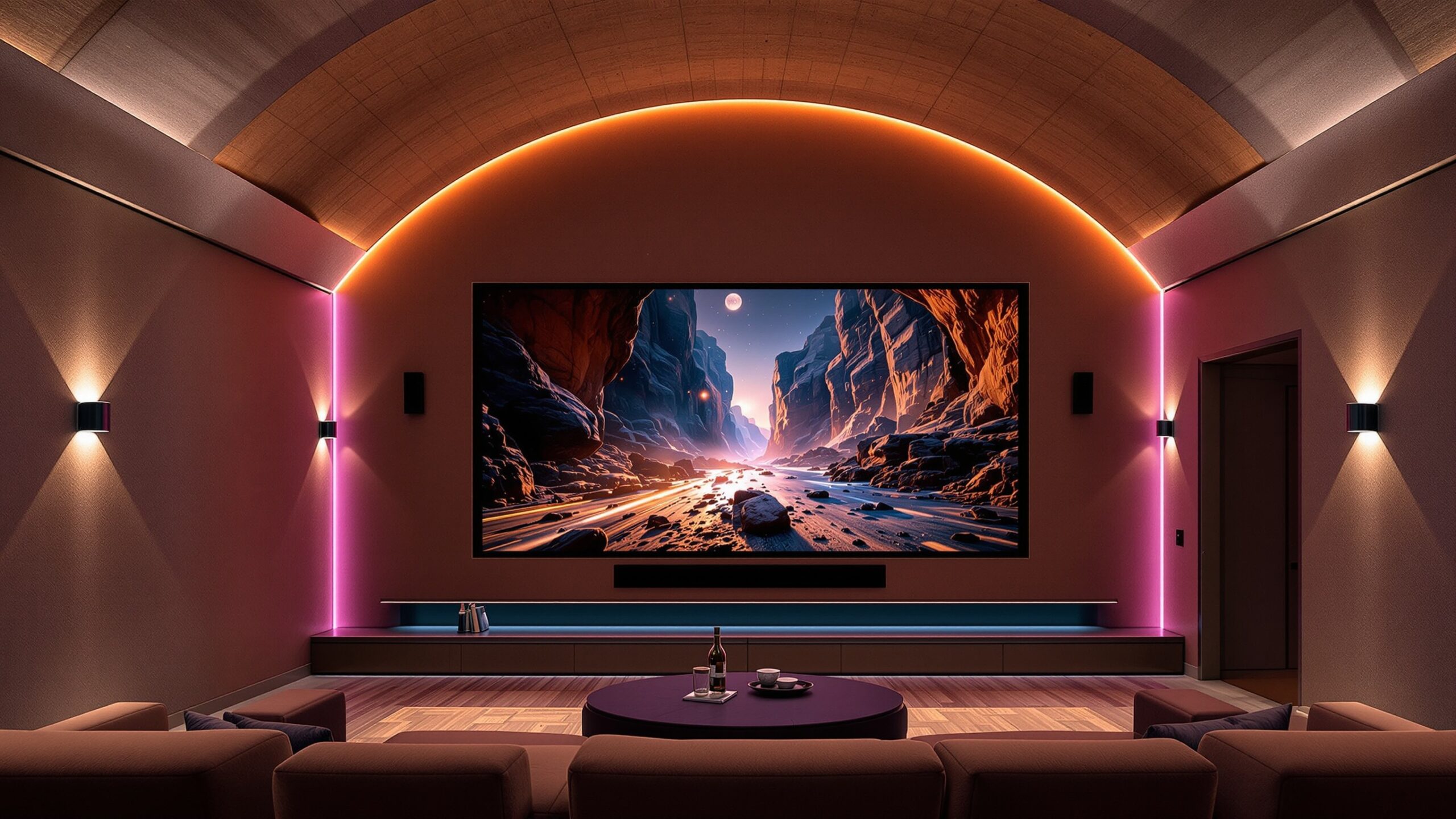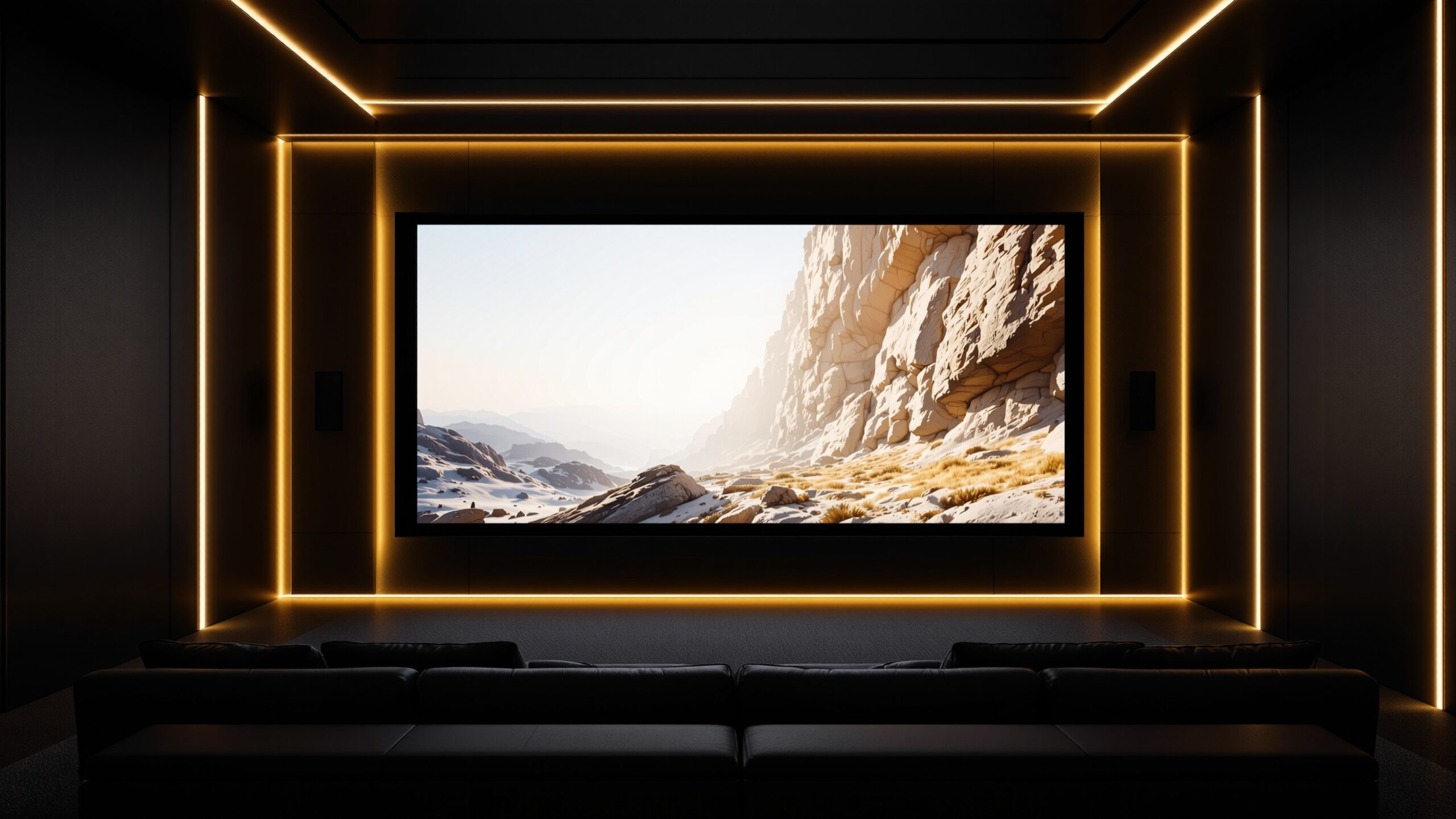
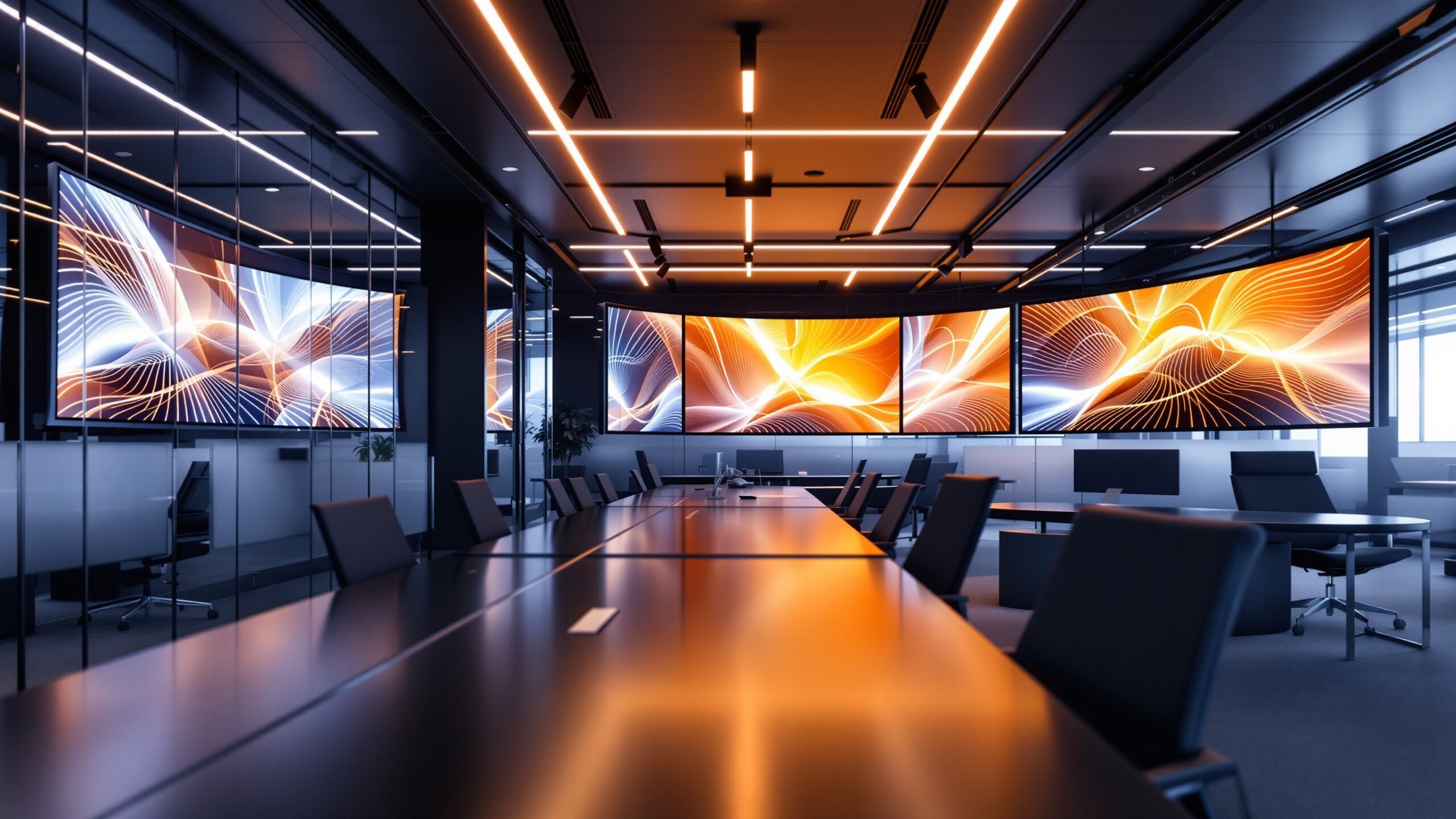
The Invisible Architect of Experience
Light is one of the most powerful yet underestimated forces in digital environments. It operates silently in the background, shaping perception, guiding attention, and influencing emotional response without requiring conscious awareness. In physical spaces, lighting design has long been used to evoke mood, establish atmosphere, and enhance functionality. In digital environments, however, light takes on an even more transformative role. It becomes an engineered variable, a controllable parameter that designers manipulate with precision to craft immersive, emotionally resonant experiences. From cinematic video games and virtual reality simulations to user interfaces and digital art installations, light functions as both a storytelling device and a psychological trigger. It determines how users feel, where they look, and how long they stay engaged. Understanding how light shapes emotion in digital environments is not just a matter of aesthetics; it is a strategic discipline rooted in perception science, cognitive psychology, and visual design.
The Psychology of Light and Human Perception
Human beings are biologically wired to respond to light. Our circadian rhythms, alertness levels, and emotional states are deeply influenced by variations in brightness, color temperature, and contrast. In digital environments, these biological responses are simulated through carefully calibrated visual cues.
Brightness, for example, plays a critical role in emotional interpretation. High luminance environments tend to evoke feelings of openness, safety, and clarity. This is why many productivity apps and clean user interfaces rely on bright, evenly distributed lighting. Conversely, low-light environments create intimacy, tension, or mystery. Games and cinematic experiences often leverage dim lighting to induce suspense or emotional depth.
Color temperature further amplifies emotional signaling. Warm tones, typically associated with sunlight or firelight, evoke comfort, nostalgia, and human connection. Cool tones, reminiscent of overcast skies or artificial lighting, often convey detachment, futurism, or clinical precision. When these elements are combined with contrast and shadow, they form a complex emotional language that users interpret almost instantly.
Light as a Narrative Device
In digital storytelling, light functions as a narrative tool that communicates meaning beyond dialogue or text. It directs attention, reveals or conceals information, and reinforces thematic elements.
Consider how spotlighting isolates a subject, drawing the viewer’s focus to a specific character or object. This technique mirrors theatrical lighting, where illumination becomes a form of narrative emphasis. In interactive environments, dynamic lighting can evolve in response to user actions, creating a sense of agency and immersion. A room that gradually brightens as a puzzle is solved, for instance, subtly reinforces progress and achievement.
Shadow, on the other hand, introduces ambiguity. It suggests the unknown, the hidden, or the unresolved. In digital horror experiences, shadows are not merely visual effects; they are psychological triggers that activate anticipation and fear. The absence of light becomes as meaningful as its presence.
By orchestrating light and shadow, designers create visual hierarchies and emotional arcs, guiding users through a story without explicit instruction.
Emotional Mapping Through Color and Illumination
Color theory and lighting design are inseparable in digital environments. Together, they form an emotional mapping system that influences how users interpret scenes and interfaces.
Soft, diffused lighting combined with pastel hues often creates a calming, reassuring atmosphere. This approach is common in wellness apps, meditation platforms, and educational tools designed for younger audiences. In contrast, saturated colors paired with high-intensity lighting generate excitement and energy, making them ideal for gaming interfaces, promotional content, and high-impact visual experiences.
Gradient lighting, where colors transition smoothly across a surface, introduces a sense of fluidity and modernity. It reflects contemporary design trends and conveys innovation. Meanwhile, monochromatic lighting schemes can evoke sophistication, minimalism, or even emotional restraint.
The interplay between light intensity and color saturation determines emotional intensity. Subtle lighting produces nuanced emotional responses, while dramatic lighting creates immediate, visceral reactions.
Spatial Perception and Depth in Digital Worlds
Light is fundamental to how users perceive space in digital environments. It defines depth, scale, and orientation, transforming flat screens into immersive three-dimensional experiences.
Directional lighting, such as simulated sunlight or artificial spotlights, creates shadows that anchor objects within a virtual space. These shadows provide spatial cues, helping users understand distance and perspective. Without them, environments appear flat and disorienting.
Ambient lighting, which fills a scene with soft, indirect illumination, establishes baseline visibility and mood. It prevents harsh contrasts while maintaining a cohesive atmosphere. When combined with localized light sources, such as glowing interfaces or illuminated pathways, it creates layers of visual depth.
Reflections and highlights further enhance realism. They mimic the way light interacts with materials in the physical world, adding texture and authenticity. Glossy surfaces reflect light sharply, suggesting modernity and precision, while matte surfaces diffuse light, creating a softer, more organic feel.
Through these techniques, designers construct environments that feel tangible, even though they exist entirely in pixels.
The Role of Contrast and Focus
Contrast is one of the most critical elements in guiding user attention and shaping emotional response. It determines what stands out and what recedes into the background.
High contrast environments create clarity and urgency. Bright elements against dark backgrounds immediately draw the eye, making them ideal for calls to action, alerts, or critical information. This approach is widely used in dashboards, control panels, and high-performance interfaces where rapid decision-making is essential.
Low contrast environments, by contrast, promote relaxation and continuity. They encourage exploration rather than immediate action. This is why many creative platforms and reading interfaces favor softer contrasts that reduce visual strain.
Focus lighting, where specific elements are illuminated more intensely than their surroundings, acts as a visual guide. It reduces cognitive load by directing users toward key interactions. In complex digital systems, this technique is essential for maintaining usability and preventing overwhelm.
Dynamic Lighting and Interactivity
One of the most powerful advantages of digital environments is the ability to implement dynamic lighting. Unlike static lighting in physical spaces, digital light can change in real time, responding to user input, environmental conditions, or narrative progression.
Dynamic lighting enhances immersion by making environments feel alive. A shifting light source that follows a character, flickering lights that respond to tension, or adaptive brightness that changes based on time of day all contribute to a more engaging experience.
In user interfaces, micro-interactions often rely on subtle lighting changes. Buttons may glow when hovered over, shadows may deepen when pressed, and transitions may include light-based animations. These effects provide feedback, reinforcing user actions and improving usability.
In virtual reality and augmented reality, dynamic lighting is even more critical. It anchors virtual objects within real-world contexts, ensuring that they appear consistent with their surroundings. Without accurate lighting, immersion breaks down, and the experience feels artificial.
Cultural and Contextual Interpretations of Light
The emotional impact of light is not universal; it is influenced by cultural and contextual factors. Different societies associate colors and lighting conditions with distinct meanings.
Warm, golden light may evoke comfort and tradition in one context, while in another, it may symbolize luxury or celebration. Cool, blue lighting might suggest calmness and technology, but it can also be interpreted as cold or impersonal depending on the context.
Designers must consider these variations when creating global digital products. A lighting scheme that resonates with one audience may not have the same effect elsewhere. This requires a nuanced understanding of cultural symbolism and user expectations.
Context also plays a role within a single experience. A brightly lit interface may feel appropriate in a productivity app but out of place in a narrative-driven game. Consistency between lighting design and functional purpose is essential for maintaining coherence.
Light in User Interface Design
In modern UI design, light is more than a visual element; it is a functional component that enhances usability and accessibility.
Elevation, a key concept in design systems, is often conveyed through light and shadow. Elements that appear raised cast subtle shadows, indicating interactivity. This creates a tactile illusion, making digital interfaces feel more intuitive.
Dark mode and light mode are prime examples of how lighting choices affect user experience. Light mode, with its bright backgrounds, is typically associated with productivity and clarity. Dark mode reduces eye strain in low-light conditions and creates a more immersive, focused environment.
Micro-contrast, achieved through slight variations in brightness and shadow, improves readability and visual hierarchy. It ensures that text and interactive elements remain distinguishable without overwhelming the user.
By integrating lighting principles into UI design, developers create interfaces that are not only visually appealing but also highly functional.
Emotional Design in Gaming and Virtual Worlds
Gaming environments provide some of the most sophisticated examples of emotional lighting design. Developers use advanced rendering techniques to simulate realistic and stylized lighting conditions that directly influence player experience.
In open-world games, dynamic day-night cycles create a sense of realism and temporal progression. The warm glow of sunrise may evoke hope and renewal, while the deep shadows of الليل introduce tension and uncertainty.
In narrative-driven games, lighting is often used to reflect character emotions and story arcs. A scene may transition from bright and vibrant to dark and muted as the narrative becomes more intense. These changes are not arbitrary; they are carefully orchestrated to align with emotional beats.
Volumetric lighting, where light interacts with particles in the air, adds depth and atmosphere. Rays of light filtering through fog or dust create a cinematic effect that enhances immersion.
These techniques demonstrate how light can transform digital environments into emotionally engaging worlds.
The Future of Lighting in Digital Environments
As technology continues to evolve, the role of light in digital environments is becoming increasingly sophisticated. Real-time ray tracing, advanced rendering engines, and AI-driven design tools are enabling unprecedented levels of realism and control.
Ray tracing simulates the physical behavior of light with high accuracy, producing lifelike reflections, shadows, and global illumination. This technology is redefining visual fidelity in gaming and virtual production.
Artificial intelligence is beginning to play a role in adaptive lighting systems. These systems can analyze user behavior and adjust lighting conditions to optimize engagement and comfort. For example, a platform might subtly shift color temperature based on time of day or user activity.
In augmented reality, lighting must seamlessly integrate digital elements with the physical world. This requires precise calibration to ensure that virtual objects cast realistic shadows and reflect environmental light accurately.
As these technologies mature, the line between physical and digital lighting will continue to blur, creating experiences that are increasingly immersive and emotionally compelling.
Designing with Light as an Emotional Medium
Light is not merely a technical component of digital environments; it is an emotional medium that shapes how users perceive and interact with virtual spaces. It influences mood, guides attention, and enhances storytelling, all while operating beneath the surface of conscious awareness.
Designers who understand the principles of lighting can create experiences that resonate on a deeper level. By manipulating brightness, color, contrast, and dynamics, they craft environments that feel intuitive, engaging, and emotionally rich.
In an increasingly digital world, where screens mediate much of human experience, the role of light will only become more significant. It is the invisible architect of emotion, quietly shaping the way we feel, think, and connect within digital environments.
TV Top 10 Product Reviews
Explore Philo Street’s TV Top 10 Product Reviews! Discover the top-rated TVs, accessories, streaming devices, and home theater gear with our clear, exciting comparisons. We’ve done the research so you can find the perfect screen and setup for your entertainment experience!