The Resurgence of Retro Design in Modern Interiors
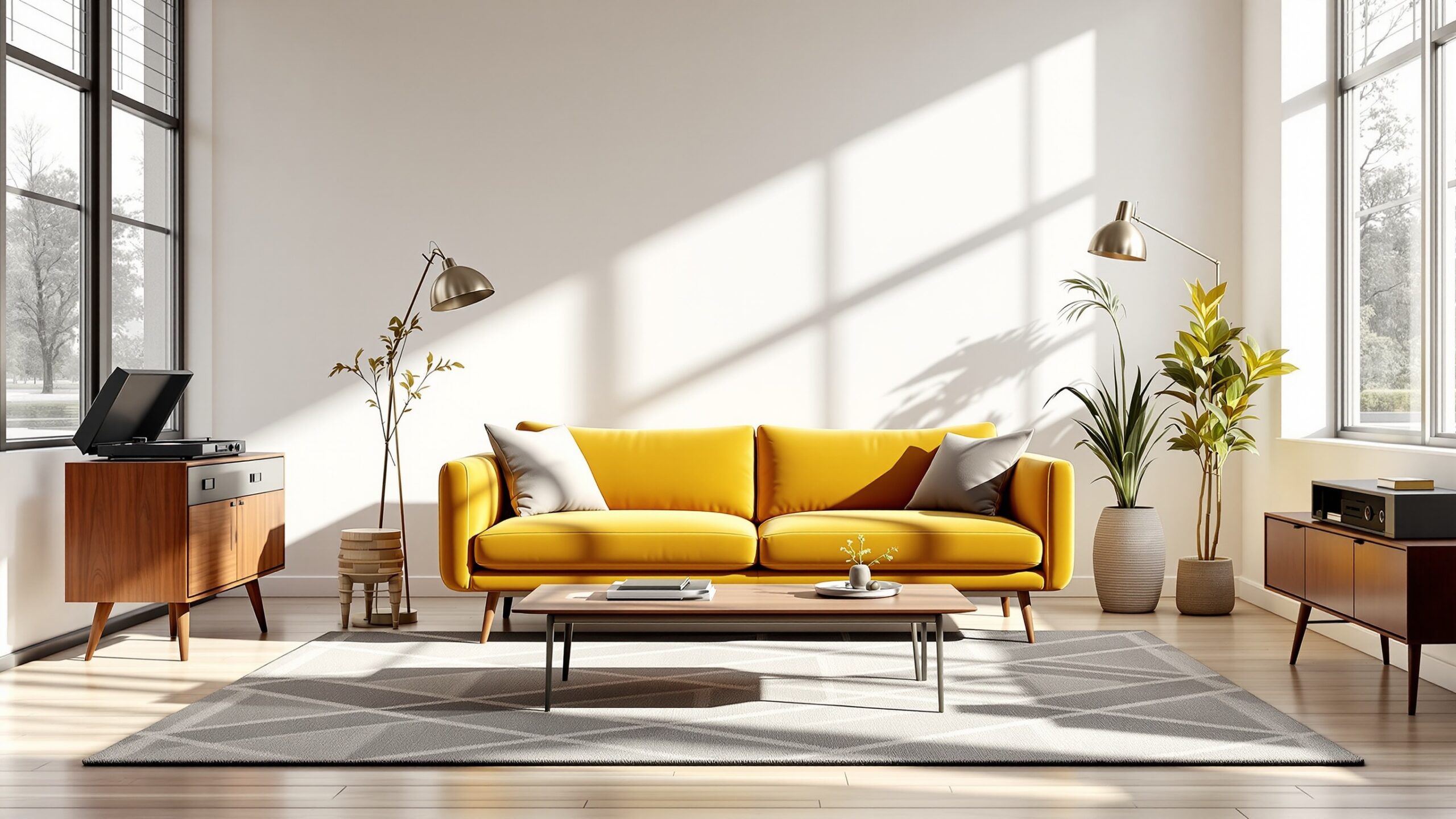
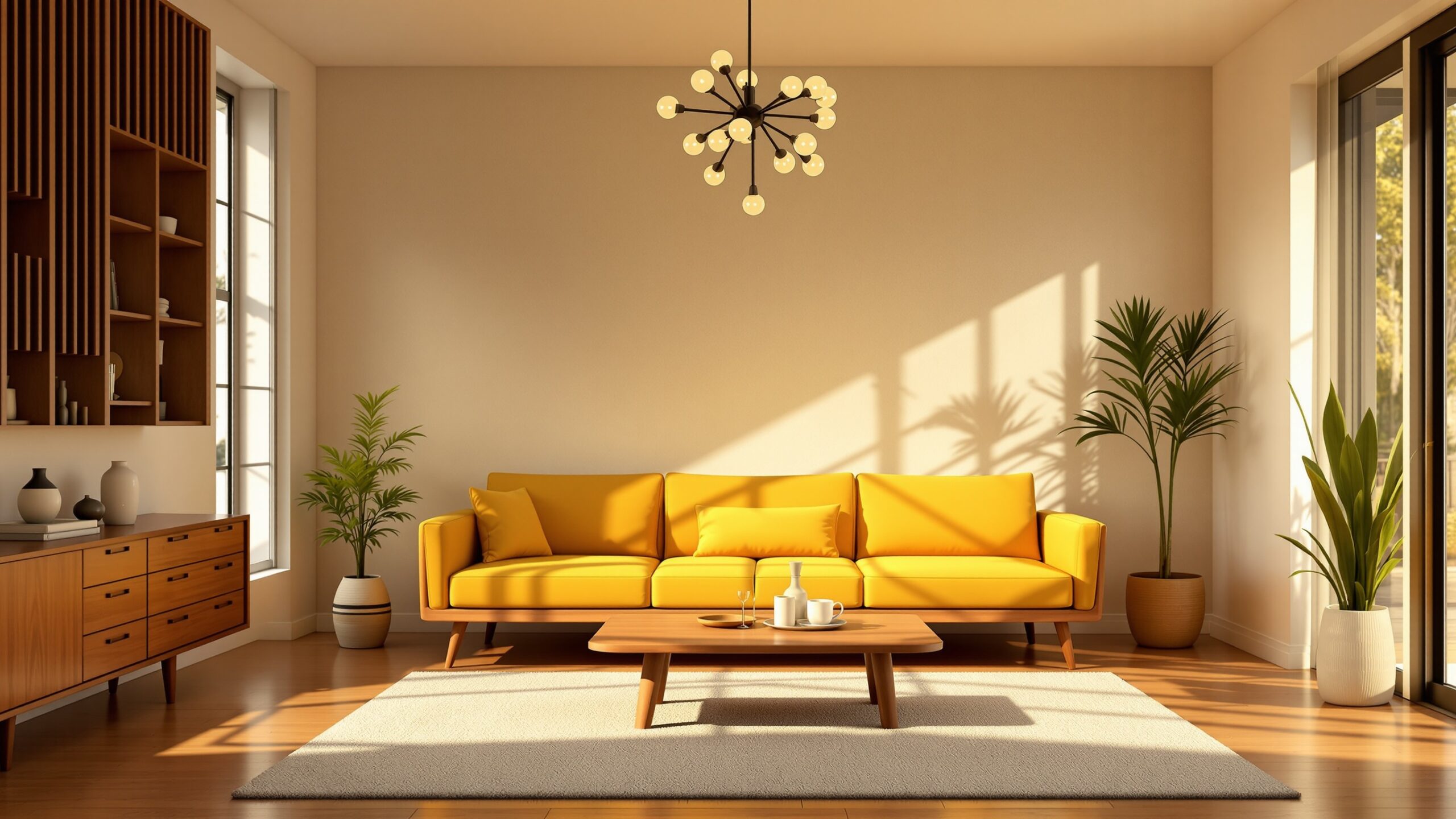
Retro design has reemerged as one of the most compelling movements in contemporary interiors, blending nostalgia with innovation to create spaces that feel both familiar and refreshingly original. In an era dominated by sleek minimalism and digital precision, retro rooms offer a tactile, emotional counterpoint—spaces that celebrate texture, color, and personality. These environments do not merely replicate the past; they reinterpret it, infusing vintage aesthetics with modern sensibilities to produce interiors that are layered, expressive, and deeply human. he appeal of retro rooms lies in their storytelling power. Every piece, from a mid-century credenza to a 1970s shag rug, carries history and character. Designers and homeowners alike are drawn to the authenticity of these elements, which contrast sharply with the uniformity of mass-produced décor. Retro interiors invite individuality, encouraging curated combinations of eras, materials, and design philosophies. The result is a living space that feels curated rather than constructed, personal rather than generic.
Defining the Retro Aesthetic
Retro design is not confined to a single decade or style. Instead, it encompasses a broad spectrum of influences from the 1920s through the 1980s, each contributing distinct visual and cultural elements. Art Deco introduces geometric precision and luxurious materials, while mid-century modern emphasizes clean lines, organic forms, and functional elegance. The 1970s bring warmth, earth tones, and tactile richness, and the 1980s inject bold color, graphic patterns, and playful experimentation.
What unites these diverse influences is a commitment to bold expression. Retro rooms often feature statement pieces, whether it is a sculptural chair, a vibrant wallpaper, or a dramatic lighting fixture. Color palettes tend to be more adventurous than in contemporary design, incorporating mustard yellows, avocado greens, burnt oranges, and deep teals. Materials such as wood veneer, chrome, velvet, and glass are used not just for function but for visual impact.
Crucially, retro design thrives on contrast. A polished walnut sideboard might sit alongside a plush, textured sofa, while a minimalist lamp complements a vividly patterned rug. This interplay creates depth and interest, ensuring that retro rooms feel dynamic rather than static.
Mid-Century Modern: The Foundation of Retro Interiors
Among all retro styles, mid-century modern remains the most influential and widely adopted. Originating in the post-war period, this design movement emphasizes simplicity, functionality, and a connection to nature. Furniture pieces are characterized by clean lines, tapered legs, and a focus on craftsmanship. Materials such as teak, walnut, and molded plywood dominate, often paired with neutral fabrics and subtle pops of color.
In retro rooms, mid-century modern serves as a grounding element. Its restrained aesthetic provides balance, allowing more eclectic or vibrant features to shine without overwhelming the space. A classic Eames lounge chair, for example, can anchor a room filled with bold patterns and colors, creating a harmonious composition that feels intentional and cohesive.
Lighting plays a significant role in mid-century design, with iconic fixtures such as Sputnik chandeliers and arc floor lamps adding both illumination and sculptural interest. These pieces are not merely functional; they act as focal points, enhancing the architectural rhythm of the room.
The Bold Spirit of the 1970s
The 1970s represent one of the most distinctive and influential periods in retro design. This decade embraced comfort, individuality, and a deep connection to natural materials. Interiors from this era are characterized by warm color palettes, including terracotta, ochre, and olive green, as well as an abundance of textures such as shag carpeting, macramé, and woven textiles.
Retro rooms inspired by the 1970s often prioritize a sense of coziness and informality. Seating arrangements are designed for relaxation, with low-slung sofas, oversized cushions, and modular configurations that encourage lounging. Wood paneling, whether real or recreated through modern materials, adds warmth and depth to walls, creating an enveloping atmosphere.
Lighting in 1970s-inspired spaces tends to be soft and ambient, often achieved through layered sources such as table lamps, floor lamps, and pendant fixtures. The goal is to create a warm, inviting glow that enhances the room’s tactile qualities. Decorative elements such as ceramic vases, abstract art, and indoor plants further reinforce the connection to nature and personal expression.
Art Deco Elegance and Glamour
For those seeking a more refined interpretation of retro design, Art Deco offers a sophisticated alternative. Emerging in the 1920s and 1930s, this style is defined by its emphasis on symmetry, geometry, and luxurious materials. Polished metals, mirrored surfaces, and rich fabrics such as velvet and silk create an atmosphere of opulence and drama.
In retro rooms, Art Deco elements can be used to introduce contrast and elegance. A geometric mirror, a brass-accented console, or a velvet armchair can elevate the overall aesthetic, adding a layer of refinement that balances more casual or eclectic features. Color palettes often include black, gold, deep blue, and emerald green, creating a sense of depth and richness.
Lighting is particularly important in Art Deco-inspired spaces, with fixtures designed to make a statement. Chandeliers, wall sconces, and table lamps often feature geometric patterns and metallic finishes, casting intricate shadows that enhance the room’s visual complexity.
The Playful Energy of the 1980s
While often overlooked, the 1980s offer a wealth of inspiration for retro interiors. This decade is characterized by bold experimentation, vibrant colors, and a willingness to push design boundaries. Graphic patterns, neon accents, and high-contrast color schemes define the aesthetic, creating spaces that feel energetic and expressive.
Incorporating 1980s elements into retro rooms requires a careful balance. Too much intensity can overwhelm the space, but strategic use of color and pattern can add a sense of playfulness and individuality. A statement wall with geometric wallpaper, a brightly colored sofa, or a set of abstract art pieces can serve as focal points, injecting energy into the room without sacrificing cohesion.
Materials such as glass, lacquer, and chrome are commonly used, reflecting the decade’s fascination with modernity and technology. These elements can be combined with softer textures to create a balanced and visually engaging environment.
Color Palettes That Define Retro Spaces
Color is one of the most powerful tools in retro design, capable of transforming a room’s atmosphere and emotional impact. Unlike the subdued palettes often found in contemporary interiors, retro rooms embrace bold, saturated hues that evoke specific eras and moods.
Mid-century palettes typically feature a mix of neutrals and accent colors, such as beige paired with mustard yellow or teal. The 1970s favor earthy tones, creating a warm and grounded environment. Art Deco palettes lean toward high contrast and luxury, while 1980s-inspired schemes embrace vibrancy and experimentation.
The key to using color effectively in retro rooms is balance. Bold hues should be complemented by neutral elements to prevent visual overload. Layering different shades and textures can also add depth, ensuring that the space feels cohesive rather than chaotic.
Furniture as Functional Art
In retro interiors, furniture is more than just a practical necessity; it is a central design element that defines the room’s character. Vintage pieces often feature distinctive shapes, materials, and craftsmanship that set them apart from contemporary designs.
Selecting furniture for a retro room involves a combination of authenticity and creativity. Original vintage pieces bring a sense of history and uniqueness, while modern reproductions offer accessibility and durability. Mixing these elements allows for greater flexibility, enabling homeowners to create a space that feels both authentic and functional.
Arrangement is equally important. Retro rooms often prioritize flow and interaction, with furniture arranged to encourage conversation and movement. Open layouts, modular seating, and multifunctional pieces reflect the evolving needs of modern living while maintaining a vintage aesthetic.
Lighting as a Design Statement
Lighting is a defining feature of retro rooms, serving both functional and aesthetic purposes. Unlike contemporary lighting, which often prioritizes minimalism, retro fixtures are designed to stand out. They act as focal points, adding visual interest and reinforcing the room’s overall theme.
Different eras offer distinct lighting styles. Mid-century designs feature clean lines and sculptural forms, while 1970s fixtures emphasize warmth and diffusion. Art Deco lighting is characterized by geometric precision and luxurious materials, and 1980s designs often incorporate bold shapes and innovative materials.
Layering is essential in retro lighting design. Combining ambient, task, and accent lighting creates a dynamic and adaptable environment. This approach not only enhances functionality but also contributes to the room’s atmosphere, allowing it to shift from bright and energetic to soft and intimate.
Textures and Materials That Tell a Story
Texture plays a crucial role in retro design, adding depth and tactile interest to interiors. Materials such as wood, metal, glass, and fabric are used in combination to create a rich and layered environment. Each material contributes to the overall narrative, reflecting the design philosophies of different eras.
The 1970s, for example, emphasize tactile richness, with materials such as shag, suede, and rattan creating a sense of warmth and comfort. Mid-century design focuses on natural materials and craftsmanship, while Art Deco highlights luxury and precision. The 1980s introduce a mix of traditional and modern materials, reflecting the decade’s experimental spirit.
Incorporating these textures requires a thoughtful approach. Too many competing elements can create visual clutter, while a well-balanced combination can enhance the room’s depth and character. The goal is to create a cohesive environment where each material complements the others.
Blending Retro with Modern Living
One of the most compelling aspects of retro design is its adaptability. While rooted in the past, retro rooms can be seamlessly integrated into modern lifestyles. This involves balancing vintage aesthetics with contemporary functionality, ensuring that the space meets current needs without losing its character.
Modern technology, for example, can be discreetly incorporated into retro interiors. Televisions, sound systems, and smart home devices can be integrated in ways that do not disrupt the overall design. Similarly, modern materials and construction techniques can enhance durability and comfort while maintaining a vintage appearance.
The key is intentionality. Every element should contribute to the overall vision, creating a cohesive and harmonious space. By carefully selecting and combining elements from different eras, homeowners can create retro rooms that feel both timeless and relevant.
Personalization and Storytelling
At its core, retro design is about storytelling. Each room reflects the personality, experiences, and preferences of its inhabitants. This emphasis on individuality sets retro interiors apart from more standardized design approaches, allowing for greater creativity and expression.
Personalization can take many forms, from displaying vintage collections to incorporating family heirlooms or travel finds. Artwork, books, and decorative objects add layers of meaning, transforming the room into a reflection of the homeowner’s identity.
This approach not only enhances the aesthetic appeal of the space but also creates an emotional connection. Retro rooms are not just visually striking; they are deeply personal, offering a sense of comfort and belonging that is often absent in more generic interiors.
Creating a Cohesive Retro Vision
Designing a retro room requires more than simply assembling vintage pieces. It involves a clear vision and a strategic approach to ensure that all elements work together harmoniously. This includes selecting a primary era or style as a foundation and then layering complementary elements to create depth and interest.
Consistency is key. While mixing styles is encouraged, there should be a unifying thread that ties the room together. This could be a color palette, a material, or a specific design motif. By maintaining this cohesion, the space feels intentional and curated rather than random.
Attention to detail is equally important. Small elements, such as hardware, textiles, and accessories, can have a significant impact on the overall design. These details contribute to the room’s authenticity, enhancing its visual and emotional appeal.
The Timeless Appeal of Retro Rooms
Retro rooms endure because they offer something that modern design often lacks: character, warmth, and a sense of history. They celebrate the past while embracing the present, creating spaces that are both nostalgic and forward-thinking. This balance makes retro design uniquely suited to contemporary living, where individuality and authenticity are increasingly valued.
As design trends continue to evolve, the influence of retro aesthetics remains strong. Whether through subtle accents or fully realized vintage interiors, the principles of retro design continue to inspire and inform modern spaces. By understanding and embracing these principles, homeowners and designers can create environments that are not only visually compelling but also deeply meaningful.
Retro rooms are more than a trend; they are a testament to the enduring power of design to evoke emotion, tell stories, and bring spaces to life.
TV Top 10 Product Reviews
Explore Philo Street’s TV Top 10 Product Reviews! Discover the top-rated TVs, accessories, streaming devices, and home theater gear with our clear, exciting comparisons. We’ve done the research so you can find the perfect screen and setup for your entertainment experience!