The Most Iconic Designer TV Collaborations of All Time
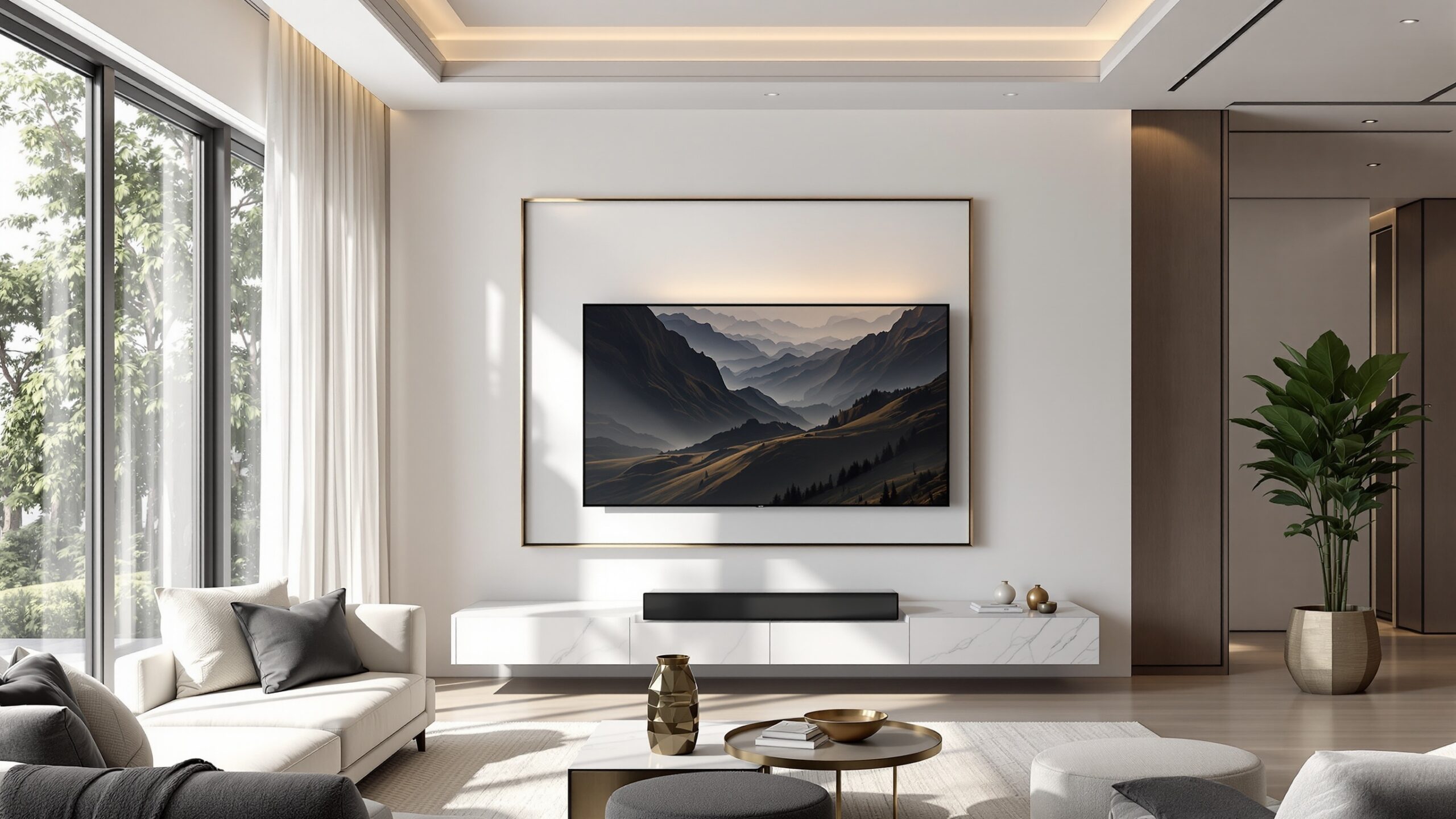
Television has evolved far beyond a simple electronic box in the corner of a room. Today, it stands at the intersection of technology, art, and interior design. As homes have become more style-conscious and design-forward, manufacturers have realized that televisions must do more than deliver crisp images—they must also complement modern living spaces. This realization sparked a fascinating movement within the tech and design industries: collaborations between television manufacturers and world-renowned designers. Designer TV collaborations represent the fusion of engineering innovation and artistic vision. These partnerships have produced televisions that blur the line between appliance and sculpture, turning everyday screens into statement pieces. Some models look like framed artwork, others resemble luxury furniture, and a few even transform entirely when not in use. The goal is simple but ambitious: integrate technology seamlessly into the aesthetic language of contemporary homes. Over the past two decades, several designer-led television projects have captured global attention. These collaborations redefined how televisions are designed, marketed, and experienced. From minimalist Scandinavian designs to fashion-house inspired luxury displays, the most iconic designer TVs demonstrate that cutting-edge technology can also be visually stunning.
The Rise of Design-Driven Consumer Electronics
In the early days of home television, design was largely an afterthought. Sets were bulky, heavy, and utilitarian. The primary focus was functionality—better reception, larger screens, and improved sound. Cabinets were often made of wood to disguise the technology inside, but true design innovation was rare.
As flat-panel displays emerged in the early 2000s, televisions began shedding their bulky frames and gaining sleek profiles. This shift opened the door for designers to rethink what a television could look like. Suddenly, the device that once dominated the living room could be shaped, styled, and integrated into interiors in new ways.
At the same time, consumer expectations were changing. Modern homeowners were investing more in interior aesthetics. Minimalist architecture, open-concept living spaces, and curated furniture collections demanded that electronics blend into their surroundings rather than disrupt them. Tech companies recognized that design had become a competitive advantage.
Collaborations between electronics manufacturers and industrial designers began appearing across multiple product categories, from smartphones to speakers. Televisions, however, presented a unique opportunity because of their size and visual presence within a room. If a television could be transformed into a decorative object, it would redefine the role of technology within the home.
Samsung and Yves Béhar: The Birth of The Frame
One of the most influential designer TV collaborations in history arrived in 2017 with Samsung’s partnership with Swiss designer Yves Béhar. The result was The Frame, a television that completely changed how people thought about screens in the living room.
Béhar, founder of the renowned design firm Fuseproject, envisioned a television that could double as art. Instead of appearing as a black rectangle when powered off, The Frame transforms into a digital art display. When not in use, the screen shows curated artwork, photography, or personal images, creating the illusion of a framed painting hanging on the wall.
The design philosophy behind The Frame was rooted in integration rather than concealment. Traditional televisions attempted to disappear through ultra-thin profiles or hidden cabinets. Béhar proposed the opposite approach: celebrate the object by making it resemble something people already love—art.
Samsung incorporated customizable bezels that mimic traditional picture frames, allowing users to match their television to interior décor styles ranging from modern minimalism to classic gallery aesthetics. Combined with the “Art Mode” feature and a library of famous artworks, the television became a functional gallery.
The Frame proved to be a massive success and sparked a new design category: lifestyle televisions. It demonstrated that consumers were willing to pay premium prices for products that harmonize with interior design. More importantly, it showed that technology companies could collaborate with world-class designers to create emotionally appealing products.
Samsung and Ronan & Erwan Bouroullec: The Serif TV
Before The Frame reshaped the market, another groundbreaking collaboration had already hinted at the future of designer televisions. In 2015, Samsung partnered with French design duo Ronan and Erwan Bouroullec to create The Serif TV.
The Bouroullec brothers approached the project from an entirely different perspective. Rather than disguising the television as artwork, they treated it as furniture. The result was a television with a distinctive “I-shaped” profile reminiscent of the serif typography found in traditional print.
Unlike most televisions designed solely for wall mounting, The Serif was intended to stand freely in a room. Its sculptural form allowed it to be placed on slender legs, positioned against a wall, or even used as a central design feature within a living space.
The Bouroullec brothers emphasized simplicity and warmth in the design. Soft textures, muted color palettes, and thoughtful details helped the television blend naturally with furniture rather than feel like an intrusive piece of technology.
The Serif quickly gained recognition within both the design and tech communities. It was showcased in major design exhibitions and earned prestigious awards for industrial design. More importantly, it demonstrated that televisions could become lifestyle objects rather than purely functional electronics.
Bang & Olufsen: Luxury Television as Sculpture
Long before designer collaborations became mainstream, Danish luxury brand Bang & Olufsen had already been redefining the relationship between technology and design. Known for its meticulous craftsmanship and bold industrial aesthetics, the company has produced some of the most visually striking televisions ever created.
Bang & Olufsen televisions are often developed in collaboration with elite designers and architects, resulting in products that resemble kinetic sculptures. One of the most iconic examples is the BeoVision series, particularly the BeoVision Eclipse and BeoVision Harmony.
The BeoVision Harmony features a remarkable mechanical transformation. When turned on, two oak-and-aluminum panels gracefully unfold like wings, revealing the screen behind them. When the television powers off, the panels close again, transforming the device into a piece of furniture.
This dramatic movement is not merely decorative. It reflects Bang & Olufsen’s belief that technology should feel theatrical and engaging rather than hidden. Watching the television become visible is part of the experience.
The company’s commitment to craftsmanship, materials, and acoustic engineering places its televisions in the same category as luxury furniture and high-end art objects. These products often cost significantly more than conventional televisions, yet they appeal to consumers who value design as much as technology.
LG and the Wallpaper TV Revolution
In 2017, LG introduced a radical concept that pushed television design to an entirely new level: the Wallpaper TV. Officially known as the LG Signature OLED W Series, this television was so thin that it adhered to the wall like wallpaper.
The design eliminated the traditional television chassis almost entirely. Instead of housing electronics within the display panel, LG separated the components into a dedicated soundbar unit connected via a nearly invisible cable.
This approach allowed the screen to measure just a few millimeters thick, creating an illusion that the display was floating directly on the wall. The minimalist design aligned perfectly with contemporary architectural trends, particularly in modern luxury homes.
While the Wallpaper TV was not tied to a single celebrity designer, it represented a collaboration between engineers, industrial designers, and architects working toward a unified aesthetic vision. The concept quickly became one of the most celebrated design achievements in television history.
By removing visual bulk and emphasizing architectural integration, LG proved that televisions could be designed to disappear almost entirely within a space.
Loewe and European Design Heritage
German electronics manufacturer Loewe has long been associated with premium design and engineering. The company frequently collaborates with European industrial designers to create televisions that reflect the region’s modernist design heritage.
Loewe televisions often feature aluminum construction, minimalist interfaces, and carefully balanced proportions. Many models are designed to function equally well on a wall, stand, or floor mount, allowing homeowners to integrate them seamlessly into living environments.
One of the most celebrated Loewe designs is the Loewe Bild series, which combines ultra-thin OLED displays with sculptural stands and elegant material choices. These televisions prioritize visual harmony and architectural clarity, reflecting the influence of Bauhaus design principles.
Through its collaborations with designers and engineers, Loewe has consistently demonstrated that high-end televisions can serve as both technological and aesthetic centerpieces.
The Intersection of Fashion and Technology
Some designer television collaborations have ventured beyond industrial design and into the world of fashion. Luxury brands and fashion houses have occasionally partnered with electronics manufacturers to produce limited-edition televisions that reflect their unique aesthetic identities.
These projects often emphasize materials, textures, and exclusivity. Leather finishes, metallic accents, and custom color palettes transform televisions into luxury lifestyle products. In many cases, these collaborations are produced in limited quantities, making them collector’s items.
Fashion-driven television designs appeal to consumers who view technology as an extension of personal style. Just as designer handbags or watches convey identity and taste, designer televisions can signal sophistication and design awareness.
Although these collaborations are less common than industrial design partnerships, they illustrate the expanding influence of fashion in consumer electronics.
How Designer TVs Changed Interior Design
The impact of designer television collaborations extends far beyond the technology industry. Interior designers and architects now consider televisions as integral components of spatial design rather than disruptive necessities.
Before design-focused televisions emerged, many homeowners attempted to hide their screens behind cabinets, artwork, or sliding panels. While effective, these solutions often required expensive custom installations.
Designer televisions provide a more elegant alternative. Products like The Frame allow televisions to double as art displays, while sculptural models such as The Serif function as decorative furniture pieces.
As a result, televisions are increasingly incorporated into living room layouts, media walls, and open-plan spaces in creative ways. Designers can choose products that complement furniture, color palettes, and architectural styles rather than clash with them.
This shift reflects a broader trend in modern design: technology is no longer separate from the home environment but fully integrated into it.
The Role of Materials and Craftsmanship
One of the defining characteristics of designer television collaborations is the emphasis on materials. Traditional televisions rely heavily on plastic and metal components designed primarily for cost efficiency.
Designer TVs, however, often incorporate materials associated with luxury furniture and architecture. Wood veneers, brushed aluminum, fabric panels, and textured finishes add warmth and visual interest to otherwise technical devices.
These materials do more than enhance aesthetics. They also influence how users perceive technology within their homes. A television framed in wood or surrounded by fabric feels more like a piece of furniture than an electronic gadget.
Craftsmanship also plays a significant role. Precision machining, seamless joins, and carefully engineered mechanisms elevate these televisions into the realm of industrial art.
The Future of Designer Television Collaborations
The future of designer televisions promises even greater experimentation and creativity. Emerging display technologies such as microLED, transparent displays, and flexible OLED panels open new possibilities for form and interaction.
Televisions may soon become modular, allowing homeowners to assemble display panels like building blocks across entire walls. Others may integrate seamlessly into architectural materials such as glass, stone, or wood surfaces.
Artificial intelligence and smart home ecosystems will also influence design. Televisions may automatically adjust their appearance based on lighting conditions, interior décor themes, or user preferences.
As homes become increasingly connected and visually curated, the demand for technology that complements interior aesthetics will continue to grow.
When Technology Becomes Art
The most iconic designer TV collaborations remind us that technology does not have to be purely functional. When engineers and designers work together, everyday devices can become objects of beauty, creativity, and emotional resonance.
From Samsung’s art-inspired Frame to Bang & Olufsen’s sculptural masterpieces, these televisions demonstrate the power of interdisciplinary collaboration. They transform screens into canvases, furniture, and architectural elements.
In the modern home, the television is no longer just a source of entertainment. It is a design statement, a conversation piece, and sometimes even a work of art.
As technology continues to evolve, the line between digital innovation and artistic expression will only grow thinner. Designer television collaborations show us that the future of home entertainment is not only smarter and sharper—it is also more beautiful than ever.
TV Top 10 Product Reviews
Explore Philo Street’s TV Top 10 Product Reviews! Discover the top-rated TVs, accessories, streaming devices, and home theater gear with our clear, exciting comparisons. We’ve done the research so you can find the perfect screen and setup for your entertainment experience!