The Convergence of Fashion and Technology
In recent years, the worlds of luxury fashion and consumer technology have begun to merge in fascinating ways. Once seen as separate industries—one rooted in craftsmanship and aesthetics, the other in engineering and innovation—fashion and technology now share a common mission: to enhance modern lifestyles through design. Nowhere is this collaboration more visible than in the growing number of partnerships bringing couture style to home screens. Televisions, monitors, and digital displays have evolved beyond purely functional devices. Today, they are part of a home’s visual identity. As living spaces become more curated and personalized, homeowners increasingly want technology that complements interior design rather than disrupting it. This shift has opened the door for luxury fashion houses and design studios to collaborate with technology companies, transforming screens into statement pieces. These partnerships bring together two very different forms of expertise. Tech companies contribute advanced display technology, smart features, and performance engineering, while fashion designers bring aesthetic vision, materials innovation, and storytelling. The result is a new category of lifestyle electronics—devices that function as both entertainment hubs and design objects.
Why Designers Are Entering the Tech Space
Luxury designers have long expanded beyond clothing into accessories, fragrances, furniture, and even architecture. Collaborating with technology companies is a natural extension of this evolution. As digital devices become central to daily life, they also become part of the design narrative of a home.
For fashion houses, entering the tech space offers a chance to reach new audiences and explore new creative territory. Screens are no longer blank surfaces; they can display artwork, ambient visuals, or curated design modes that blend seamlessly with interior décor. This makes them a natural canvas for fashion-inspired design.
Technology companies, meanwhile, benefit from the cultural prestige and visual sophistication associated with luxury brands. By partnering with designers, tech manufacturers elevate their products from everyday electronics to aspirational lifestyle objects. The collaboration signals that a device is not just about specs—it is about taste, identity, and atmosphere.
These collaborations also reflect broader changes in consumer expectations. Today’s buyers often want products that deliver both performance and personality. A beautifully designed screen can transform a room, acting as a centerpiece rather than an intrusion.
The Rise of Designer Televisions
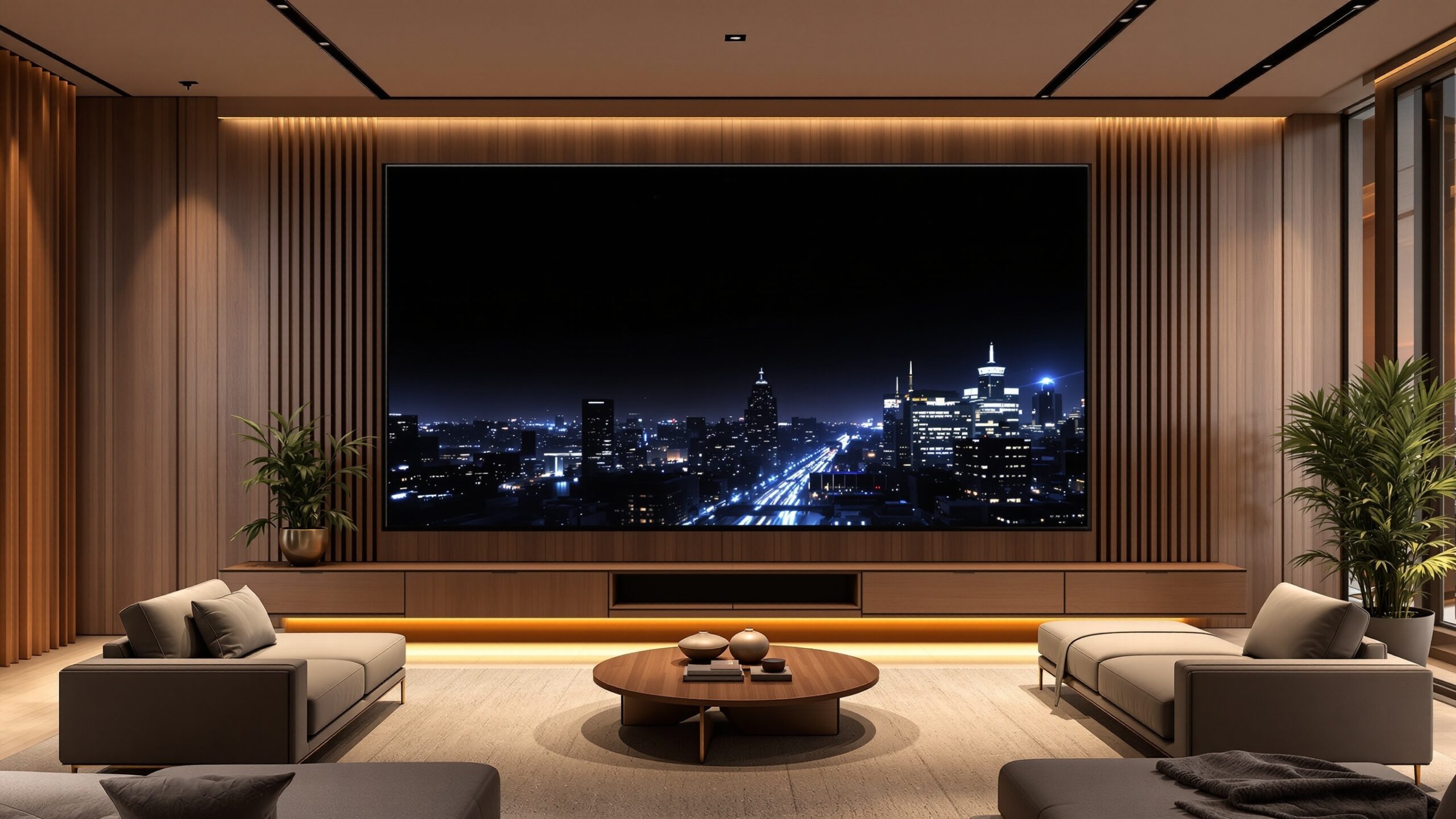
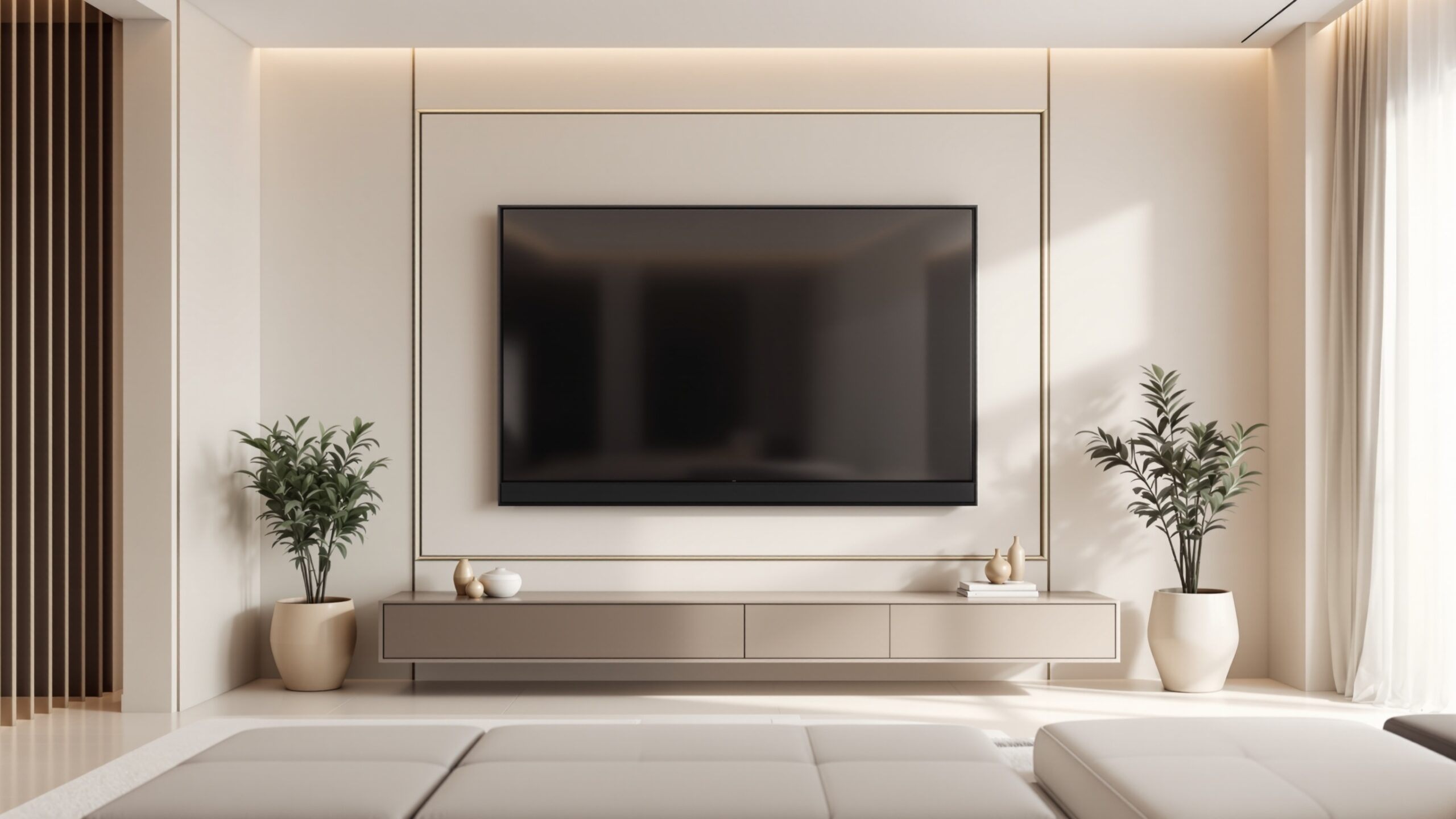
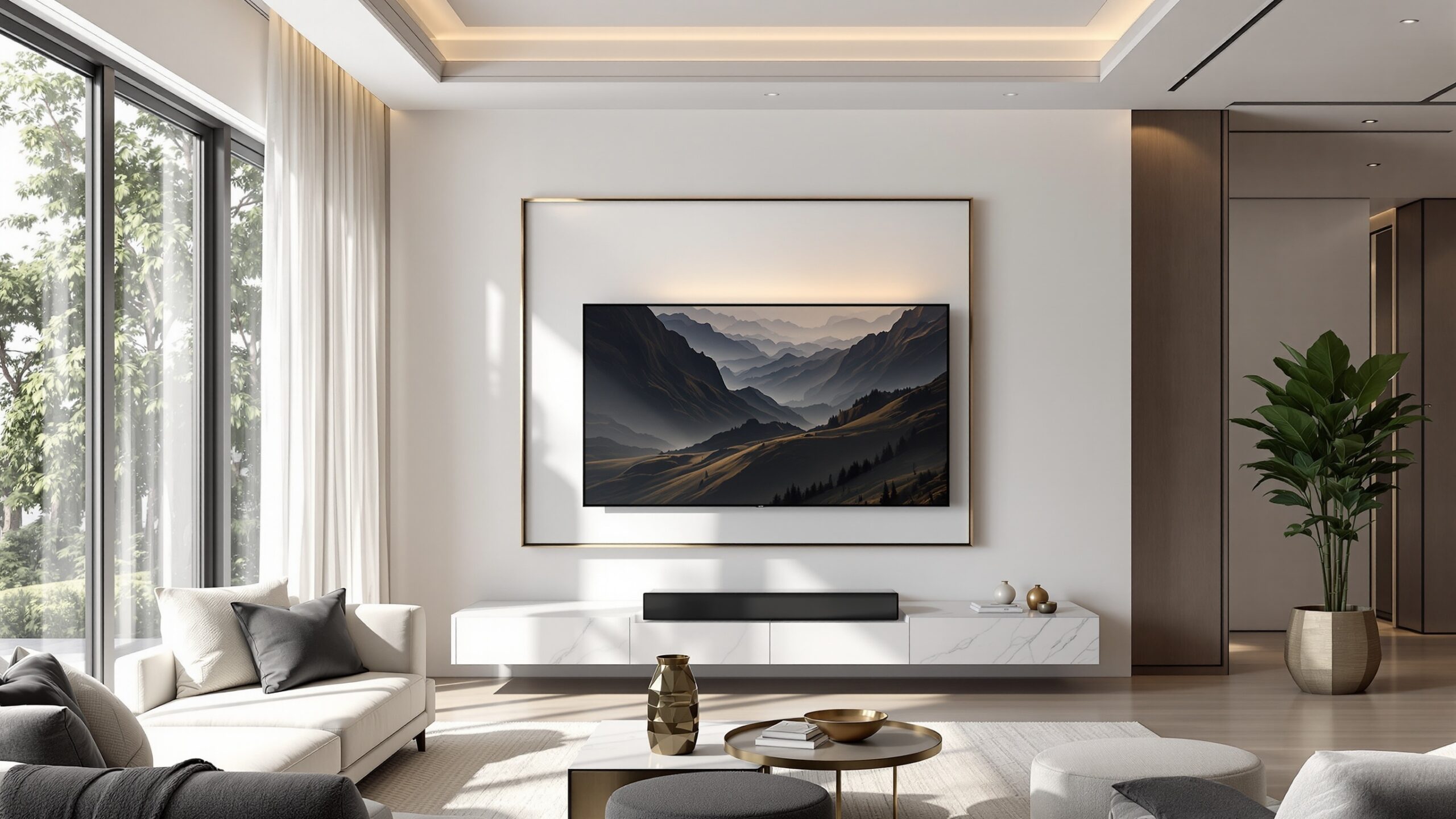
One of the most visible outcomes of these partnerships is the rise of designer televisions. Instead of glossy black rectangles dominating the room, modern screens are increasingly designed to resemble artwork, framed photographs, or sculptural objects.
Luxury designers often influence everything from color palettes and materials to frame construction and display modes. Some models feature interchangeable frames inspired by gallery aesthetics, while others use minimalist lines that echo high-end furniture design.
The concept is simple yet powerful: when the television is off, it should enhance the room rather than detract from it. Ambient display modes allow screens to showcase artwork, digital canvases, or curated visual experiences. In this way, the television becomes a dynamic piece of décor.
Designer partnerships also extend to the user interface. Color schemes, typography, and menu layouts may reflect a fashion brand’s visual identity. These subtle touches create a cohesive experience that feels curated rather than purely technical.
Fashion Houses as Creative Directors
In many collaborations, fashion houses effectively act as creative directors for the product’s aesthetic vision. Their role is not just to decorate an existing device but to rethink how the product fits into a lifestyle environment.
Designers may influence the choice of materials, introducing textures such as brushed metal, matte finishes, leather accents, or fabric coverings. These materials soften the appearance of technology and align it with luxury interiors.
Color selection is another crucial element. Instead of defaulting to black or silver, designer collaborations often introduce muted neutrals, warm metallic tones, or custom finishes that match modern furniture trends. These colors help screens blend naturally into living rooms, bedrooms, and studios.
Even the proportions and silhouette of the device may change. Some designer televisions are intentionally slim and minimal, while others feature sculptural stands that resemble gallery installations.
The influence of fashion thinking—where form, texture, and mood are essential—reshapes the entire concept of home entertainment design.
Interior Design Meets Digital Display
Another reason these partnerships are thriving is the increasing overlap between interior design and digital technology. In contemporary homes, screens occupy prominent locations: above fireplaces, on feature walls, or integrated into custom cabinetry.
Interior designers now consider televisions and digital displays as key elements of room composition. A poorly designed screen can disrupt the harmony of a carefully planned space, while a thoughtfully designed one can enhance it.
Fashion designers bring a deep understanding of visual balance and material harmony, which translates surprisingly well to electronics. Their experience working with colors, fabrics, and forms allows them to envision technology as part of the architectural environment.
Some collaborations even include accessories such as designer stands, frames, or mounting systems that allow screens to function like artwork. These elements reinforce the idea that a television should complement the room’s aesthetic rather than dominate it.
The Influence of Couture Craftsmanship
Couture fashion is defined by meticulous craftsmanship, attention to detail, and a commitment to artistic expression. When these principles enter the technology world, they influence the design process in meaningful ways.
Luxury designers often emphasize subtle details that elevate the product experience. Edges may be refined to create a seamless appearance. Surfaces may use specialized finishes that reduce glare or fingerprints while adding tactile richness.
Even packaging and presentation can reflect couture sensibilities. Opening the product becomes part of the luxury experience, echoing the feeling of unboxing a high-end accessory.
This approach contrasts with the mass-production mindset that often dominates consumer electronics. While the devices themselves remain technologically sophisticated, designer collaborations inject a sense of artistry into the final product.
For consumers, this combination of craftsmanship and technology creates an emotional connection that standard electronics rarely achieve.
Digital Art and the Designer Screen
One of the most compelling aspects of designer television collaborations is their relationship with digital art. Many screens now feature modes that display artwork when not actively being used for entertainment.
Fashion houses sometimes curate these digital galleries themselves, selecting artworks, patterns, or visual themes that align with their brand identity. The screen becomes a rotating exhibition of design inspiration.
Some partnerships even collaborate with contemporary artists, photographers, or illustrators to create exclusive digital collections. These visuals transform the screen into a dynamic art installation, changing throughout the day or responding to ambient lighting.
The result is a home screen that feels alive and expressive rather than dormant. Instead of disappearing into darkness, the display continues contributing to the atmosphere of the room.
Technology Companies Embracing Lifestyle Design
For technology companies, partnering with designers represents a strategic shift toward lifestyle branding. As display technology becomes increasingly advanced across the industry, differentiation through aesthetics and user experience becomes more important.
Consumers may struggle to distinguish between competing screen technologies, but they can easily recognize a device that looks beautiful in their home. Designer collaborations provide a way to stand out in a crowded market.
These partnerships also expand the emotional appeal of technology. Instead of being perceived as purely functional tools, devices become lifestyle statements that reflect personal taste.
This approach mirrors trends in other industries. Smartphones, headphones, and smart home devices increasingly emphasize design as a key selling point. The television—once a bulky appliance—is now part of that transformation.
The Role of Sustainability in Designer Collaborations
Sustainability has become a central theme in both fashion and technology industries. Many designer-tech collaborations now incorporate environmentally conscious materials and manufacturing practices.
Fashion houses are particularly influential in this area because sustainability has become a major focus in luxury design. Recycled metals, responsibly sourced materials, and energy-efficient displays are increasingly part of the development process.
Some collaborations also explore modular design concepts that allow components to be upgraded rather than replaced. This approach extends the lifespan of the product and reduces electronic waste.
By integrating sustainability into the design narrative, these partnerships reflect the evolving values of modern consumers who expect luxury products to be both beautiful and responsible.
Luxury as a Lifestyle Experience
Designer televisions represent more than just stylish electronics—they reflect a broader shift toward lifestyle-driven technology. Today’s consumers often view their homes as extensions of their personal identity, and every object within the space contributes to that narrative.
Fashion houses understand this mindset well. Their entire business model revolves around creating objects that symbolize aspiration, creativity, and individuality.
When these brands collaborate with technology companies, they bring that storytelling approach to digital devices. The screen becomes part of a curated environment that reflects the owner’s taste and lifestyle.
This concept is particularly appealing in high-end homes where interior design, architecture, and technology are integrated into a unified aesthetic vision.
The Future of Designer Screens
As technology continues evolving, designer collaborations are likely to become even more ambitious. Advances in display technology—such as ultra-thin panels, flexible screens, and transparent displays—will create new opportunities for design experimentation.
Fashion houses may increasingly influence not only the exterior appearance of devices but also how they interact with the surrounding environment. Screens could adapt their colors, brightness, or artwork based on the room’s lighting or décor.
Artificial intelligence may also play a role in these experiences. Future designer screens might learn a homeowner’s aesthetic preferences and automatically curate digital artwork that complements the space.
As smart homes become more interconnected, screens will also function as control hubs for lighting, climate, and entertainment systems. Designer collaborations will ensure these interfaces remain elegant and visually consistent with the room.
Cultural Impact of Fashion-Tech Collaborations
The growing partnership between fashion and technology reflects a broader cultural shift. Technology is no longer separate from lifestyle and aesthetics—it is embedded within them.
Just as smartphones transformed communication and wearable technology blended fashion with functionality, designer screens are reshaping how we perceive home entertainment devices.
These collaborations also highlight the increasing importance of interdisciplinary creativity. When engineers and fashion designers work together, they produce products that neither discipline could achieve alone.
The result is a new category of technology that prioritizes both performance and beauty.
Screens as Modern Design Icons
Over time, some designer televisions may achieve the status of design icons, much like famous chairs, lamps, or architectural objects. Their influence extends beyond functionality into the realm of cultural design history.
Certain collaborations already attract attention from collectors and design enthusiasts. Limited editions, unique finishes, and signature design elements contribute to their desirability.
As the boundary between art, fashion, and technology continues to blur, these devices may become symbols of contemporary design culture.
They represent a moment when the digital and physical worlds merged in creative ways, transforming everyday technology into objects of style.
A New Era of Beautiful Technology
The partnerships bringing couture style to home screens represent an exciting evolution in consumer electronics. By combining the artistic vision of fashion designers with the technical expertise of technology companies, these collaborations redefine what home entertainment devices can be.
Instead of blending into the background as anonymous appliances, screens now participate in the visual storytelling of modern interiors. They display art, complement furniture, and reflect the personal style of the homeowner.
As these collaborations continue to expand, the line between technology and design will become increasingly fluid. Screens will not just show movies, television shows, or digital content—they will shape the atmosphere of the spaces where we live. In this new era, the television is no longer simply a device. It is a canvas, a design statement, and a symbol of how creativity and technology can come together to redefine everyday life.
TV Top 10 Product Reviews
Explore Philo Street’s TV Top 10 Product Reviews! Discover the top-rated TVs, accessories, streaming devices, and home theater gear with our clear, exciting comparisons. We’ve done the research so you can find the perfect screen and setup for your entertainment experience!