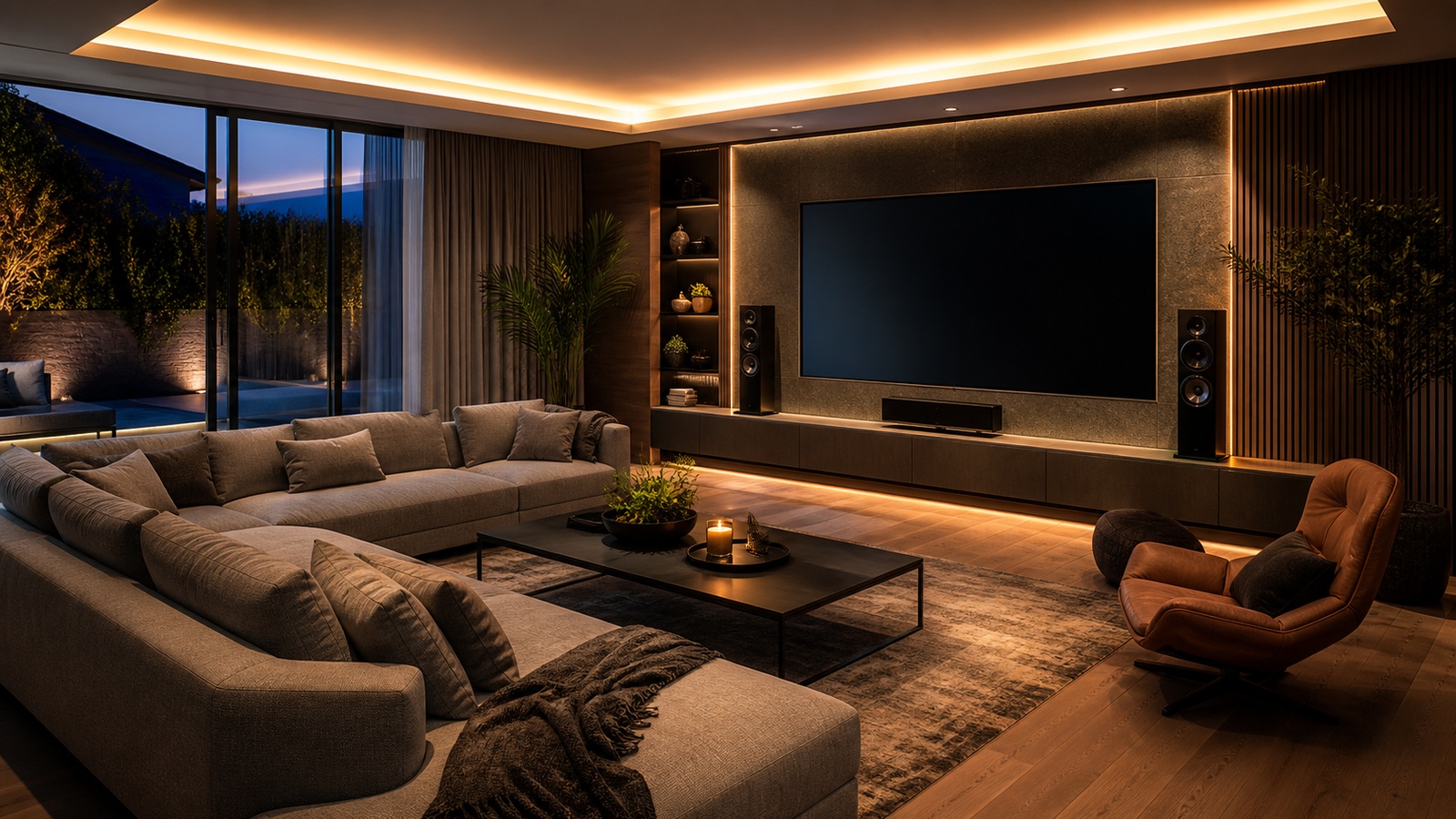

Building the Ultimate Home Theater: Design Secrets Pros Swear By
Creating a home theater that rivals commercial cinemas is no longer reserved for luxury estates or professional studios. With thoughtful planning, smart design principles, and a focus on immersive experiences, homeowners can transform ordinary rooms into cinematic sanctuaries that deliver breathtaking visuals, rich soundscapes, and unparalleled comfort. Professional designers and audiovisual experts agree that the ultimate home theater is not about cramming in the most expensive gear, but about harmonizing space, acoustics, lighting, layout, and technology into a cohesive environment that elevates every movie night. From understanding room dynamics to fine-tuning audio placement and designing for long-term comfort, the secrets behind world-class home theaters lie in a blend of science, creativity, and intentional design.
The Foundation: Choosing the Right Room
Professionals always begin with the space itself, because the room defines everything that follows. While basements are popular due to their natural light control and sound isolation, spare bedrooms, lofts, or even converted garages can work beautifully when properly treated. The ideal room has a rectangular shape rather than a square layout, as this minimizes sound distortion and standing waves that can muddle audio clarity. Ceiling height also plays a crucial role, with higher ceilings allowing sound to breathe and enabling advanced speaker configurations such as Dolby Atmos systems.
Equally important is isolation from external noise. Thick walls, insulated doors, and strategic sealing prevent outside sounds from interrupting the cinematic experience while also keeping booming sound effects from disturbing the rest of the home. Many professionals incorporate staggered studs, acoustic drywall, and resilient channels during construction or renovation to dramatically improve sound containment. These structural upgrades may seem invisible, but they form the backbone of a truly immersive theater.
Mastering Acoustics for Cinematic Sound
Sound quality often separates amateur setups from professional-grade theaters. Even the best speakers can underperform in rooms with poor acoustics, making acoustic treatment a top priority for experts. Hard surfaces such as bare walls, glass, and hardwood floors reflect sound waves, causing echoes and muddiness that degrade clarity. To counter this, designers strategically install acoustic panels, bass traps, and diffusers that absorb or scatter sound evenly throughout the room.
Bass management is particularly important, as low frequencies tend to accumulate in corners and create overpowering booms. Bass traps placed in room corners smooth out these low-end vibrations, resulting in tighter, more controlled sound. Diffusers on rear walls help scatter sound waves, creating a sense of spaciousness without echo. Combined with thick carpeting or rugs and fabric-upholstered seating, these elements create a balanced audio environment that allows dialogue to remain crisp while action scenes thunder with cinematic impact.
Designing the Perfect Screen Experience
The screen is the visual centerpiece of any home theater, and professionals treat it as both a technical and aesthetic decision. Screen size should be proportional to the room’s dimensions and viewing distance, ensuring immersive visuals without causing eye strain. A common guideline is that viewers should sit approximately one to one-and-a-half times the screen’s diagonal size away for optimal clarity.
High-gain projection screens enhance brightness in darker rooms, while ambient light rejecting screens are ideal for spaces that cannot be fully blacked out. For those opting for large-format televisions, OLED and mini-LED displays offer stunning contrast, deep blacks, and vibrant colors that rival projection systems in smaller rooms. However, projectors still reign supreme for creating the true cinema feel, especially when paired with 120-inch or larger screens that envelop viewers in the story.
Professionals also pay close attention to screen placement, ensuring it sits at eye level when seated and aligns with speaker positioning to create a seamless audiovisual experience. The goal is to make the screen feel like a natural extension of the room rather than an oversized monitor dominating the space.
Lighting: Setting the Mood Without Distraction
Lighting design is one of the most overlooked yet impactful elements of a home theater. Experts use layered lighting techniques to balance ambiance, functionality, and immersion. Recessed ceiling lights with dimmers provide general illumination that can fade smoothly as the movie begins, while LED strip lighting along baseboards, steps, or behind screens adds subtle glow without reflecting onto the display.
Wall sconces with warm tones enhance the cinematic atmosphere while preventing harsh glare, and blackout curtains or motorized shades ensure complete darkness during daytime viewing. Smart lighting systems allow homeowners to create preset scenes for movie nights, gaming sessions, or casual viewing, adjusting brightness and color temperature with a single tap.
The key is to eliminate direct light sources that hit the screen while maintaining enough visibility for comfort and safety. When done correctly, lighting becomes an invisible contributor to immersion, guiding the eyes toward the screen and enhancing the overall experience.
Seating That Balances Comfort and Sightlines
Professional designers treat seating as both a functional and aesthetic investment. Comfortable seating encourages longer viewing sessions, while proper layout ensures unobstructed views for every viewer. Tiered seating, often achieved through raised platforms, allows multiple rows without blocking sightlines, mimicking commercial theaters and maximizing space.
Reclining theater chairs with built-in cup holders, USB charging ports, and adjustable headrests are popular choices, offering luxury and convenience. Some homeowners prefer plush sectional sofas for a more relaxed, family-friendly vibe, especially in multipurpose media rooms. Regardless of style, professionals emphasize ergonomics, ensuring lumbar support and head positioning align with the screen to prevent neck strain. Spacing between rows is carefully calculated to allow full recline without interference, and aisles are included for easy access. Thoughtful seating arrangements transform the room into a welcoming retreat rather than a cramped viewing area.
Speaker Placement and Audio Calibration
Even high-end sound systems require precise placement and calibration to perform at their best. Professionals follow industry standards for speaker positioning, placing front left, center, and right speakers at ear level behind or below the screen for seamless dialogue alignment. Surround speakers are positioned slightly above ear height to envelop viewers in ambient sound, while subwoofers are strategically placed to distribute bass evenly across the room.
Advanced setups often include ceiling-mounted speakers for immersive audio formats like Dolby Atmos, creating three-dimensional sound that moves above and around the audience. Once installed, audio calibration tools and professional tuning ensure each speaker’s output is balanced, adjusting for room acoustics and seating positions.
This meticulous approach results in sound that feels natural and dynamic, with whispers clearly audible and explosions resonating with controlled power. Proper calibration is often the final step that elevates a home theater from impressive to extraordinary.
Integrating Technology Seamlessly
Modern home theaters are powered by sophisticated technology, yet professionals strive to keep these systems visually unobtrusive. Equipment racks are often hidden in closets or behind walls, with cable management solutions keeping wires organized and out of sight. Universal remote systems or smart home integrations allow users to control lighting, audio, video, and climate with ease.
Streaming devices, gaming consoles, Blu-ray players, and AV receivers are selected for compatibility and performance, ensuring smooth operation and future-proofing. Many experts recommend wired Ethernet connections for streaming to avoid buffering and maintain high-quality playback.
Ventilation is also carefully planned, as high-performance equipment generates heat that can reduce lifespan and performance if not properly cooled. Silent cooling systems maintain optimal temperatures without adding noise that could disrupt viewing.
Aesthetic Design That Enhances Immersion
While technical performance is essential, the visual design of a home theater significantly impacts the overall experience. Professionals often use dark, matte finishes for walls and ceilings to minimize light reflection and enhance screen contrast. Rich textures such as velvet drapes, acoustic fabric panels, and plush carpeting add luxury while improving acoustics.
Themed theaters inspired by classic cinemas, sci-fi worlds, or modern minimalist designs allow homeowners to express personality while maintaining functionality. Custom wall art, illuminated movie posters, and subtle architectural details create an environment that feels special and intentional.
Color palettes typically feature deep blues, charcoals, and warm neutrals that promote relaxation and focus attention on the screen. The goal is to create a space that feels both cozy and cinematic, inviting viewers to escape into stories for hours at a time.
Climate Control for Long Viewing Sessions
Temperature control plays a crucial role in comfort, especially in enclosed rooms with multiple occupants and electronic equipment. Professionals often install dedicated HVAC zones or silent mini-split systems to maintain consistent airflow without disruptive noise.
Proper ventilation ensures fresh air circulation, preventing the room from becoming stuffy during long movie marathons. Some high-end theaters even incorporate heated floors or seat warmers for added luxury. When climate is carefully managed, viewers remain comfortable and focused on the experience rather than adjusting thermostats.
Planning for Flexibility and Future Upgrades
One hallmark of professional design is planning for the future. Technology evolves rapidly, and a well-designed home theater includes conduits for running new cables, modular equipment racks, and flexible speaker mounting options. This foresight allows homeowners to upgrade projectors, audio systems, or streaming hardware without major renovations. Seating arrangements may also be designed to adapt as family needs change, with removable rows or adjustable layouts. By building in flexibility, homeowners protect their investment and ensure the theater remains cutting-edge for years to come.
Budgeting Smart Without Sacrificing Quality
Experts emphasize that creating an ultimate home theater does not require unlimited funds, but rather smart allocation of resources. Investing in room preparation, acoustics, and lighting often yields greater improvements than splurging on the most expensive screen or speakers. Mid-range equipment in a well-designed room frequently outperforms top-tier gear in poorly treated spaces. Professionals recommend prioritizing foundational elements first, then upgrading components over time as budget allows. This phased approach enables homeowners to enjoy a high-quality experience immediately while building toward their dream setup.
The Emotional Impact of a Well-Designed Theater
Beyond technical excellence, the ultimate home theater creates emotional connections and memorable experiences. It becomes a gathering place for family movie nights, immersive gaming sessions, and unforgettable sports events. The sense of escape it provides transforms everyday entertainment into special occasions. Professionals understand that a great theater is about storytelling and atmosphere as much as equipment. When every design element works in harmony, viewers feel transported into the world on screen, experiencing films as directors intended.
Final Thoughts: Bringing Professional Secrets Home
Building the ultimate home theater is both an art and a science, combining acoustics, visual design, comfort, and technology into a cohesive whole. By starting with the right room, mastering sound treatment, carefully planning lighting and seating, and integrating equipment seamlessly, homeowners can achieve cinematic experiences that rival commercial theaters.
The design secrets professionals swear by focus on intentional choices, balanced investment, and immersive environments that engage the senses. Whether you are starting from scratch or upgrading an existing space, applying these principles will elevate your home theater into a true entertainment haven.لاWith thoughtful planning and expert-inspired design, your home can become the ultimate destination for movie magic, offering unforgettable experiences that bring stories to life in ways only a perfectly crafted theater can deliver.
TV Top 10 Product Reviews
Explore Philo Street’s TV Top 10 Product Reviews! Discover the top-rated TVs, accessories, streaming devices, and home theater gear with our clear, exciting comparisons. We’ve done the research so you can find the perfect screen and setup for your entertainment experience!