

The smart TV market in 2025 has evolved into a dynamic frontier of innovation, where powerful processors, immersive displays, and intelligent software converge to create more than just screens—they’re the command centers of the modern digital lifestyle. From hands-free voice control and seamless streaming to cinematic picture quality and low-lag gaming performance, the best smart TVs today are tailored for every need and every room. Whether you’re building a connected smart home, setting up the ultimate game station, or simply upgrading your entertainment space, these top 10 smart TVs stand out for their cutting-edge technology, stunning design, and next-level interactivity. Each model on this list brings something unique to the table—but only one can claim the top spot. Here’s your definitive guide to the smartest TVs of 2025.
#1: Gold Award: LG G4 OLED evo Smart TV (2025) ($$$)
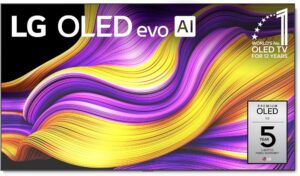
The LG G4 OLED evo earns its top spot by delivering a near-perfect blend of cinematic image quality, lightning-fast smart features, and a design that turns heads in any room. Powered by the new Alpha 11 AI Processor, the G4 refines everything from motion handling to upscaling and dynamic tone mapping. The webOS interface has matured into one of the sleekest and most customizable smart TV operating systems available. With support for all major voice assistants—Alexa, Google Assistant, and Apple HomeKit—it integrates effortlessly into virtually any smart home setup. Its OLED evo panel with Micro Lens Array (MLA) technology elevates brightness performance to a level rarely seen on self-emissive displays, making it both a vibrant and versatile option for brightly lit rooms and pitch-black home theaters. The G4 supports Dolby Vision, HDR10, HLG, and Dolby Atmos, making it ideal for streaming 4K HDR content in pristine clarity.
Gamers will find a lot to love here, with four HDMI 2.1 ports capable of 4K at 120Hz, NVIDIA G-Sync and AMD FreeSync Premium, and a Game Optimizer menu that allows quick access to VRR, Black Stabilizer, and latency settings. The interface is fast and reliable thanks to improved RAM allocation and task optimization in webOS 24, making it feel more like using a premium tablet than a traditional TV UI. Unlike some competitors, LG doesn’t clutter the home screen with ads or sponsored content, which adds to the premium feel. Voice search is accurate and responsive, and LG’s Magic Remote—with its air-mouse pointer and scroll wheel—is still one of the best remote control innovations on the market.
Historically, LG’s Gallery Series started as an ultra-slim, wall-mountable OLED panel aimed at art lovers and minimalists. The G4 carries that legacy forward, measuring only a few millimeters thick and mounting flush to the wall with the included bracket. For those who want table-top mounting, a separate stand is available, but the intent is clear: this TV is meant to be admired like a work of art. Interestingly, LG’s OLED technology, originally pioneered with the 2013 LG Gallery OLED, has gone from a niche enthusiast display to a gold standard of premium picture quality. In 2025, it stands as the most refined OLED package yet.
There are only a few potential drawbacks. The price is steep, especially at 77 inches or larger. Also, while the panel is bright by OLED standards, it still can’t quite match the peak brightness of Mini-LED rivals like the Samsung QN90D in extremely sunlit environments. That said, the G4’s pixel-level luminance control and refined image processing deliver unbeatable contrast and rich color nuance that make most LED TVs look overly processed in comparison. If your priority is best-in-class picture performance paired with sophisticated smart features, the LG G4 OLED evo is an unmatched contender that defines what a high-end smart TV should be.
10+ user ratings with an average of 4.4
#2: Silver Award: Samsung QN90D Neo QLED Smart TV (2025) ($$)
The Samsung QN90D is a flagship Neo QLED smart TV that expertly blends dazzling brightness, refined color accuracy, and one of the fastest smart TV platforms available today. This 2025 iteration builds on the success of the QN90B and QN90C before it, incorporating a Mini-LED backlight system with Quantum Matrix Technology for pinpoint local dimming control and eye-popping HDR highlights. With Samsung’s proprietary Tizen OS, the QN90D delivers a slick, responsive interface that excels in both speed and functionality. Whether you’re switching between apps, browsing content, or using voice search, the TV responds instantly and with smooth transitions. Samsung’s Smart Hub continues to evolve with greater personalization and deeper integration into smart home ecosystems, including support for Bixby, Alexa, and Google Assistant.
At the core of the QN90D is the Neural Quantum Processor 4K, which uses AI and 20 neural networks to upscale lower-resolution content with stunning detail. HDR performance is spectacular, with support for HDR10, HDR10+, and HLG. Though Samsung notably omits Dolby Vision, their HDR10+ Adaptive feature helps tailor HDR playback to your room’s lighting conditions, creating more dynamic contrast in real-world viewing situations. Peak brightness on this TV reaches upwards of 2,000 nits, making it ideal for living rooms with lots of ambient light. The anti-reflective coating and ultra-wide viewing angles further enhance its usability in shared spaces.
From a design perspective, the QN90D continues Samsung’s penchant for sleek, modern aesthetics. The slim Infinity One design keeps bezels razor-thin, and the Slim One Connect box—now even more compact—allows for a clean cable management experience. Wall mounting is seamless, and Samsung’s Eco Remote, now solar-powered and rechargeable via RF harvesting, eliminates the need for disposable batteries. An interesting historical note is how Samsung pioneered the QLED branding as a way to elevate quantum dot-enhanced LED TVs into a premium tier—something that began with models like the Q9F back in 2017 and has matured impressively with the Neo QLED line.
Gamers will appreciate the QN90D’s HDMI 2.1 ports, support for 4K 144Hz refresh rates, VRR, ALLM, and FreeSync Premium Pro. Samsung’s Game Bar 4.0 is more feature-rich than ever, giving users quick access to frame rates, latency, aspect ratio controls, and the new MiniMap Zoom feature for competitive edge. The TV also integrates with Xbox Game Pass for cloud gaming without a console, further cementing its status as a top-tier gaming display.
There are a few minor caveats. The lack of Dolby Vision might bother some movie enthusiasts, particularly those who stream Dolby Vision content from platforms like Netflix. Additionally, while the Tizen OS is incredibly responsive, Samsung continues to experiment with ad placements and UI changes that some users find cluttered. Still, these issues are minor when compared to the overall polish and performance of the QN90D.
All things considered, the Samsung QN90D stands out as the most versatile and feature-complete 4K QLED TV available in 2025. Whether you’re streaming, gaming, or integrating with a smart home, it offers a well-rounded, future-proof experience that few competitors can rival. Its combination of Mini-LED precision, powerful AI processing, and an intelligent, blazing-fast smart interface puts it at the top of the list for users who want brightness, brains, and beauty in one stunning package.
350+ user ratings with an average of 4.3
#3: Bronze Award: Sony Bravia XR A95L QD-OLED Smart TV (2024) ($$)
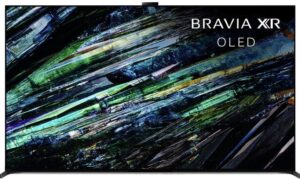
The Sony Bravia XR A95L is a shining example of what happens when superior display technology meets cinematic engineering. This QD-OLED powerhouse represents the pinnacle of Sony’s display innovation, merging quantum dot color enhancement with OLED’s perfect black levels. The result is a dazzlingly rich and vibrant picture with extraordinary accuracy and depth, a leap forward from the A95K that debuted Sony’s QD-OLED venture. For those who want a truly immersive home cinema experience combined with cutting-edge smart features, the A95L is a masterpiece. At the heart of the A95L is Sony’s Cognitive Processor XR, an AI-driven chip that mimics human visual and auditory perception by enhancing contrast, upscaling resolution, and adjusting brightness dynamically across scenes. With XR Triluminos Max and XR OLED Contrast Pro, the TV delivers spectacular luminance even in HDR scenes that would normally tax traditional OLEDs. The inclusion of Dolby Vision, HDR10, and HLG ensures compatibility with virtually every premium format on the market.
Smart functionality is delivered through Google TV, one of the most refined and content-rich platforms available. The home screen emphasizes personalized recommendations, seamless app transitions, and native integration with Google Assistant. Apple AirPlay 2, Chromecast, and Alexa are also supported, making the A95L platform-agnostic and ideal for mixed-device households. One standout feature is the A95L’s integration with the PlayStation 5. When paired, it automatically enables Auto HDR Tone Mapping and Auto Genre Picture Mode for optimal gaming performance. It also supports HDMI 2.1, 4K 120Hz, VRR, and ALLM—making it an elite gaming display in its own right.
From a design standpoint, the A95L oozes luxury with its minimalist metal frame and flush, floating-style stand that can be adjusted to accommodate soundbars. The build quality is premium, the screen is anti-reflective, and the ultra-thin bezels make content feel like it’s floating in mid-air. The Acoustic Surface Audio+ system turns the screen itself into a speaker, producing spatially accurate audio with strong vocal clarity. Additionally, it supports Dolby Atmos, DTS:X pass-through, and has optional Bravia Theatre integration for a truly seamless home theater setup.
What makes the A95L especially interesting historically is Sony’s role in advancing OLED technology. Though LG pioneered large-scale OLED production, Sony has long been the torchbearer for professional color accuracy. Their expertise, especially from their broadcast monitor division, filters down into their consumer-grade TVs. With QD-OLED now in its second generation, Sony is showcasing what that level of fidelity can achieve—this isn’t just a TV for watching movies, it’s one for appreciating visual art as the creators intended.
On the downside, the A95L is priced at a premium, and its maximum screen size caps out at 77 inches, which may disappoint those seeking 85 inches or more. Also, while Google TV is rich in features, it can occasionally suffer from slight stuttering when loaded with too many apps or recommendations, especially compared to the snappiness of LG’s webOS or Samsung’s Tizen. But these concerns are marginal in the face of what the A95L accomplishes. It’s rare to find a TV that excels equally in film, streaming, gaming, and smart integration, yet the A95L does so with an effortless grace.
In summary, the Sony Bravia XR A95L is a flagship smart TV that does not compromise. Its QD-OLED panel delivers image quality that rivals the best OLEDs and Mini-LEDs, while its audio, design, and smart features place it firmly among the elite. Whether you’re watching Dolby Vision blockbusters or exploring the smart ecosystem with voice controls and app automation, the A95L is designed to deliver a premium experience every time.
200+ user ratings with an average of 4.3
#4: TCL QM8 QLED Mini-LED Smart TV (2024) ($$$)

The TCL QM8 has redefined what it means to offer premium performance at a mainstream price. With this 2024 flagship, TCL proves that you don’t have to spend a fortune to experience a full suite of smart features, blazing HDR performance, and next-gen gaming capabilities. The QM8 is built around TCL’s high-zone-count Mini-LED backlight system combined with quantum dot technology, producing images with exceptional brightness, bold color, and razor-sharp contrast. The result is a television that punches far above its price class and often competes directly with models from Sony and Samsung in both feature set and visual fidelity.
The QM8 uses TCL’s AiPQ Engine Gen 3, which processes motion, color, and clarity in real time, adjusting the image based on ambient lighting and scene dynamics. It also excels in HDR, supporting Dolby Vision IQ, HDR10+, HDR10, and HLG. Peak brightness exceeds 2,000 nits, which is a remarkable figure—especially for a TV under $2,000 at 75 inches or below. This makes it an excellent choice for rooms with lots of natural light. The Mini-LED array allows for over 2,300 dimming zones in the 85-inch model, minimizing blooming and giving black levels that, while not OLED-deep, are incredibly refined for an LED-backlit display.
Running Google TV, the QM8 offers a smooth, personalized smart interface that supports all the major streaming services, including Netflix, Prime Video, Disney+, YouTube, and more. It supports Google Assistant out of the box and works seamlessly with Alexa and Apple HomeKit. The remote is backlit and thoughtfully designed, and TCL also includes hands-free voice control via far-field microphones built into the TV itself—a feature usually reserved for far more expensive models. The setup process is user-friendly, and TCL has made commendable strides in ensuring the TV’s performance is consistent across apps, sources, and use cases.
Gamers will find plenty to love here. With HDMI 2.1 inputs, 4K at 144Hz, VRR, ALLM, and AMD FreeSync Premium Pro, the QM8 delivers ultra-low latency and smooth frame delivery, even in fast-paced games. It even includes a Game Accelerator feature that reduces input lag down to 6 milliseconds—numbers that compete with dedicated gaming monitors. You can also access a game bar UI that displays frame rate and latency in real time. Cloud gaming platforms like NVIDIA GeForce NOW and Xbox Game Pass are fully supported, providing another layer of entertainment without needing a console.
Historically, TCL entered the U.S. market as a budget-friendly brand with massive screen sizes and Roku-powered TVs. But the QM series has changed that perception entirely. TCL’s aggressive investment in display hardware and AI processing has elevated the brand into the premium tier. The QM8, in particular, is proof that TCL can go toe-to-toe with legacy giants while maintaining an aggressive price point.
Drawbacks are minimal but worth noting. The off-angle viewing still isn’t perfect compared to OLED or IPS-based panels, and the panel uniformity can vary slightly from unit to unit. Also, while Google TV is powerful, it can occasionally lag with heavy multitasking or large app libraries—though TCL’s firmware updates have helped mitigate this over time.
In short, the TCL QM8 QLED Mini-LED Smart TV is a standout performer for its price. It’s bright enough to impress, smart enough to compete, and fast enough for gamers. With excellent HDR, full HDMI 2.1 support, and a feature-rich platform, it challenges the notion that only high-end brands can deliver flagship experiences. For users seeking top-tier performance without the top-tier price, the QM8 is a bold and brilliant contender in the smart TV arena
530+ user ratings with an average of 4.2
#5: Hisense U8N ULED Mini-LED Smart TV (2024) ($$)

The Hisense U8N represents the best of what Hisense has to offer in the smart TV space, fusing exceptional Mini-LED picture quality, powerful smart processing, and gamer-friendly features—all in a sleek, aggressively priced package. As the successor to the award-winning U8K, the U8N takes a significant leap forward in both performance and polish. This model doesn’t just hold its own against the competition—it often exceeds expectations, especially when you consider its value proposition. Hisense has built a television that delivers near-premium quality visuals with an advanced set of smart features that rival those from LG and Samsung.
The U8N uses Hisense’s latest Mini-LED backlight technology with over 1,600 local dimming zones on the 75-inch model, paired with Quantum Dot Color for impressive vibrancy and tone accuracy. The ULED panel is capable of reaching peak brightness levels over 3,000 nits in HDR scenes, placing it among the brightest TVs on the consumer market. Blacks are deep, contrast is stark, and the dynamic range is astonishing, making it a phenomenal option for those who watch movies or sports in bright rooms. The picture processor, powered by Hisense’s Hi-View Engine Pro, uses AI algorithms to intelligently upscale content, adjust contrast scene by scene, and maintain motion clarity even in fast-moving sequences.
Smart features are handled through Google TV, which brings a polished, intuitive interface packed with content recommendations, voice control, and app access. Navigation is fast and fluid, and Hisense has integrated both Google Assistant and Alexa, along with support for Apple AirPlay 2 and HomeKit. One impressive standout is the hands-free voice search capability built directly into the TV. Users can simply say “Hey Google” to control their TV, search content, or even manage smart home devices without a remote. For users who prioritize a clean living room setup with smart-home integration, this functionality adds a layer of futuristic convenience that’s usually reserved for much more expensive models.
The U8N is also a fantastic television for gamers. With full HDMI 2.1 bandwidth, it supports 4K at 144Hz, VRR, ALLM, and AMD FreeSync Premium Pro. Input lag is minimal, around 6ms, and the U8N includes a dedicated Game Mode Pro with an overlay for frame rate monitoring and performance adjustments. It’s fully compatible with Xbox Series X, PlayStation 5, and PC gaming rigs, offering a fluid and immersive experience that few TVs in this price range can replicate.
From a design perspective, the U8N sports ultra-thin bezels and a solid metal frame with a premium feel. The stand is sturdy and functional, allowing space for a soundbar underneath without obstructing the screen. Despite its high brightness, the panel includes an anti-reflective coating that significantly reduces glare. The TV also features a built-in subwoofer system with Dolby Atmos and DTS:X support for better-than-average onboard audio, although most users seeking immersive sound will still benefit from a dedicated soundbar or surround system.
Historically, Hisense was known more for its budget and mid-tier TVs, but the U8 series has shifted the conversation. The U8G and U8K were major turning points, earning rave reviews for their performance-per-dollar value. The U8N builds on this legacy with refined hardware, smarter software, and a growing ecosystem of Hisense-branded display innovations that continue to push expectations higher each year.
There are a few limitations. Off-axis viewing isn’t as strong as OLED or IPS-based sets, and while the color volume is superb, it doesn’t quite hit the color accuracy levels of Sony’s QD-OLED models. Additionally, the onboard speakers, though boosted with a subwoofer, can still distort slightly at high volumes. But for most users, these issues are minor compared to the vast list of strengths.
In conclusion, the Hisense U8N is a smart TV that redefines value without compromise. Blistering brightness, intuitive smart features, top-notch gaming performance, and bold design make it one of the best smart TVs in its class—and a serious competitor to models hundreds of dollars more expensive.
770+ user ratings with an average of 4.2
#6: Sony Bravia 8 OLED TV ($$$$)
The Sony Bravia XR X95L is Sony’s flagship Mini-LED smart TV, and it exemplifies a perfect union of precision hardware and cinematic software refinement. With this model, Sony moves beyond its OLED stronghold and delivers one of the most powerful and polished LED-based smart TVs on the market. The X95L stands as a statement piece for users who want superior HDR brightness, excellent motion clarity, and the deep smart functionality of the Google TV ecosystem—all built on Sony’s Cognitive Processor XR platform. It’s a TV engineered for those who prize cinematic accuracy, powerful sound, and elevated picture performance in every scene.
At the core of the X95L is Sony’s proprietary Cognitive Processor XR, which distinguishes itself by simulating the way humans perceive vision and sound. Rather than enhancing the entire screen uniformly, the processor targets the focal point of an image and adjusts contrast, sharpness, and motion accordingly. This results in an image that feels incredibly lifelike, especially during fast-action sequences and high-dynamic-range content. Sony’s XR Backlight Master Drive controls thousands of Mini-LED dimming zones with surgical precision, and the panel is capable of reaching peak brightness over 2,000 nits while maintaining deep black levels that rival mid-tier OLEDs.
This TV supports Dolby Vision, HDR10, and HLG for a broad HDR landscape, and it adds IMAX Enhanced and Netflix Adaptive Calibrated Mode to further appeal to cinephiles. Sony’s XR Triluminos Pro color system also delivers highly accurate color reproduction, with impressive tone gradation that brings depth to skin tones, natural elements, and dimly lit scenes alike. The X95L isn’t just about dazzle—it’s about emotional visual storytelling, making it a favorite for filmmakers and enthusiasts alike.
Smart TV functionality is anchored by Google TV, which offers one of the most visually clean and customizable smart platforms. You’ll get access to every major streaming app, robust content recommendations, and tight integration with Google Assistant, Alexa, Apple AirPlay 2, and HomeKit. The system is responsive and straightforward, and Sony avoids cluttering the interface with bloatware or obtrusive ads. The remote is refined and minimalist, with backlighting and voice control, adding to the premium feel.
Gamers won’t feel left out either. The X95L supports 4K at 120Hz, HDMI 2.1, VRR, ALLM, and integrates seamlessly with PlayStation 5 thanks to Sony’s Auto HDR Tone Mapping and Auto Genre Picture Mode. Although it lacks 144Hz support seen on some rival brands like TCL or Hisense, its game mode is responsive, and input lag is around 8ms—more than sufficient for competitive gameplay. Motion handling is among the best in its class, thanks to Sony’s XR Motion Clarity and black frame insertion techniques that eliminate blur without reducing brightness too aggressively.
In terms of audio, the X95L incorporates Sony’s Acoustic Multi-Audio+ system, which uses frame tweeters to create a wide soundstage and better direct sound toward the viewer. This technology, along with support for Dolby Atmos and DTS:X, gives the TV an auditory footprint that rivals some mid-range soundbars. While audiophiles will still likely opt for an external setup, the built-in audio performance is a pleasant surprise and makes the TV feel self-contained right out of the box.
Historically, Sony has dominated in professional display and post-production monitor technologies, and it’s this pedigree that informs the Bravia XR lineup. The X95L is part of a broader push by Sony to bring their cinema heritage to LED-based displays, filling the gap between OLED and conventional LED TVs with a sophisticated Mini-LED offering that combines the best of both worlds.
Downsides are minimal. Off-angle viewing is decent but not perfect—colors and contrast fade slightly compared to OLED. And while the smart interface is clean, some users may find that Google TV still takes a second or two longer to open large libraries than Samsung’s Tizen or LG’s webOS. These are relatively minor critiques, especially given the X95L’s strengths across almost every category.
Ultimately, the Sony Bravia XR X95L is a smart TV for those who want flagship-level brightness and performance without leaving behind the nuance and refinement Sony is known for. It’s a brilliant choice for movie lovers, sports fans, and smart home users who want a display that thinks like a human—and performs like a masterpiece.
#7: LG QNED90T Mini-LED Smart TV (2024) ($$)

The LG QNED90T stands tall as LG’s most premium Mini-LED TV in 2024, offering a perfect alternative to OLED for those seeking dazzling brightness, advanced smart features, and robust gaming capabilities. As part of LG’s QNED (Quantum NanoCell Emitting Diode) lineup, this TV utilizes a hybrid approach—combining Mini-LED backlighting with Quantum Dot and NanoCell technologies—to deliver brilliant color precision, strong contrast, and vibrant HDR performance. It’s a model purpose-built for living rooms that get a lot of ambient light, delivering top-tier image quality and LG’s signature smooth smart interface through webOS.
The QNED90T is powered by the Alpha 8 AI Processor, which is a slightly scaled-down version of the Alpha 11 found in LG’s OLED G4 series. Still, it delivers exceptional upscaling, motion smoothing, and dynamic tone mapping that adjusts HDR performance scene-by-scene and frame-by-frame. This processor, along with the Mini-LED backlight system and Precision Dimming Pro algorithm, makes the QNED90T highly capable of showcasing subtle detail in both dark and bright scenes. With peak brightness exceeding 1,800 nits, it holds up remarkably well in daytime viewing and produces eye-catching HDR in Dolby Vision, HDR10, and HLG formats.
Smart features are served through LG’s redesigned webOS 24, which introduces user profiles, personalized content recommendations, faster transitions between apps, and smoother animations. LG’s Magic Remote remains one of the most intuitive remotes available thanks to its motion pointer, scroll wheel, and quick-access voice commands. The TV supports Alexa, Google Assistant, Apple HomeKit, and AirPlay 2—offering complete integration with your smart home ecosystem. LG’s “Always Ready” mode also turns the TV into an information hub or photo display when idle, which adds functional elegance to a dark room.
The QNED90T also proves itself to be a gamer’s companion. It includes four full-bandwidth HDMI 2.1 ports, VRR, ALLM, and support for 4K at 120Hz. NVIDIA G-Sync and AMD FreeSync Premium are both certified, reducing screen tearing and stutter for fast-paced action. The Game Optimizer dashboard allows real-time tweaks for motion, black level, and latency settings on the fly. With input lag as low as 5ms, the TV delivers ultra-responsive performance that will please both console and PC gamers. Add in support for cloud gaming services like GeForce NOW and Xbox Game Pass, and you’ve got a screen ready for next-gen play without any hardware attached.
Design-wise, the QNED90T embraces LG’s minimalist aesthetic, with ultra-thin bezels, a premium aluminum edge, and a center stand that offers good stability and space for soundbars. Panel uniformity is strong, and the wide viewing angles offered by the IPS-type panel (with LG’s anti-glare coating) make it ideal for family rooms and wider seating arrangements. One interesting historical note: LG’s QNED branding was first introduced in 2021 as an evolution of their NanoCell technology. Over the years, it has matured significantly, and the 2024 QNED90T is the most complete version of this vision yet—a true flagship Mini-LED alternative to OLED.
That said, the QNED90T does carry a few caveats. While contrast is excellent for an LED-based display, it doesn’t reach OLED’s absolute black levels, and slight haloing can appear in high-contrast scenes. Audio performance is decent with support for Dolby Atmos, but the downward-firing speakers are limited in spatial detail compared to Sony or Samsung’s more immersive audio arrays. Still, most users opting for a TV of this caliber will likely pair it with a soundbar or full AV system.
All things considered, the LG QNED90T is a feature-packed, bright, and colorful smart TV that delivers a top-notch experience across movies, sports, gaming, and smart functionality. It’s an ideal pick for users who want OLED-like performance with more brightness and less concern about burn-in, all wrapped in one of the smoothest smart ecosystems in the business.
30+ user ratings with an average of 4.2
#8: Vizio Quantum Pro 4K QLED Smart TV (2024) ($$)
The Vizio Quantum Pro 4K QLED Smart TV is a bold return to form for a brand that made its name delivering premium features at accessible prices. With this 2024 model, Vizio refines its approach to Quantum Dot technology and smart performance, packing serious display hardware, modern gaming features, and a redesigned smart platform into a package that competes directly with far pricier rivals. Built to appeal to cinephiles, gamers, and casual streamers alike, the Quantum Pro offers excellent brightness, vibrant color, and a responsive, ad-free interface—a rare combo at its price point.
The heart of the Quantum Pro is its Full Array Local Dimming (FALD) backlight system paired with Quantum Dot enhancement, producing over 1,000 nits of peak brightness and strong color volume across the DCI-P3 spectrum. The result is a vivid HDR picture with deep contrast and bold saturation, especially in Dolby Vision and HDR10+ content. Blacks are surprisingly rich for a non-OLED display, thanks to the TV’s 200+ dimming zones (depending on screen size) that respond dynamically to different on-screen lighting conditions. Whether you’re watching a dark sci-fi thriller or a sunlit nature docuseries, the Quantum Pro handles the tonal shifts with confidence.
Vizio has redesigned its smart TV platform from the ground up, debuting the Vizio Home Screen in this generation. It’s a lean, fast, and intuitive interface with zero ads—an increasingly rare distinction in today’s smart TV landscape. Navigation is snappy, app support includes all the big players like Netflix, Hulu, Disney+, Max, and Prime Video, and voice control is integrated via Alexa, Google Assistant, and Apple’s Siri (via HomeKit). The remote is compact, simple, and features dedicated buttons for key apps and voice input.
What sets the Quantum Pro apart in 2024 is its gaming performance. It features two HDMI 2.1 ports with full support for 4K at 120Hz, VRR, AMD FreeSync Premium, and Auto Low Latency Mode (ALLM). Input lag is around 7ms, and the Game Dashboard provides real-time info on frame rate, resolution, and gaming mode status. With support for cloud gaming platforms like Xbox Game Pass and NVIDIA GeForce NOW, it offers console-free gaming for casual users and hardcore players alike. It’s one of the most complete gaming-ready TVs in its class and is priced attractively for those who want a fast, fluid experience without shelling out for a flagship model.
Design-wise, the Quantum Pro boasts a minimalist aesthetic with thin bezels, a brushed metal frame, and a wide-stance stand that feels sturdy and soundbar-friendly. The display panel is treated with an anti-reflective coating that helps reduce glare in moderately bright rooms, though not as effectively as Samsung’s top-tier anti-glare screens. Panel uniformity is generally good, with only minimal vignetting or blooming visible in stress tests.
From a historical perspective, Vizio rose to prominence in the 2000s and 2010s as the champion of affordable premium TVs, offering Full HD and later 4K HDR at a time when other brands were charging double. While the brand faced tough competition in recent years, the Quantum Pro re-establishes Vizio as a serious player in the smart TV market—especially for users who value performance over brand cachet.
There are a few trade-offs. Vizio’s app ecosystem, while more complete than in years past, still lacks the tight integration and polish seen on Google TV or LG’s webOS. Voice commands can be slightly slower to execute, and smart home integration, while present, isn’t as deep or seamless as Sony or LG offer. Also, users who require more than two HDMI 2.1 ports might find themselves limited if they connect multiple next-gen gaming consoles and a sound system.
Even so, the Vizio Quantum Pro 4K QLED Smart TV earns its place on this list through sheer value and performance. It’s bright, colorful, gaming-ready, and ad-free—checking boxes that matter most to real-world users. For buyers looking to maximize picture quality and features on a budget, this TV is a compelling alternative to better-known brands, and one of the smartest buys of 2024.
#9: Samsung The Frame LS03D QLED Smart TV (2024) ($$)

Samsung’s The Frame LS03D isn’t just a smart TV—it’s a design statement. Blurring the line between technology and decor, The Frame has become the go-to choice for anyone who wants their TV to disappear into their environment when it’s not in use. With the 2024 LS03D model, Samsung has refined every aspect of The Frame’s unique vision, combining a vibrant QLED display with new matte finish technology, advanced smart features, and expanded customization options. It’s the ultimate TV for art lovers, interior designers, and lifestyle-first buyers who refuse to let electronics dominate their living space.
At the center of The Frame is Samsung’s QLED panel powered by Quantum Dot technology, delivering rich color saturation and sharp 4K resolution. While it doesn’t have the peak brightness of the QN90D or the black depth of OLEDs, the LS03D is more than competent for everyday viewing, especially in moderately lit rooms. Its contrast is enhanced by dual LED color tone mapping, which adjusts the backlight temperature for warmer or cooler scenes depending on content. HDR performance includes support for HDR10+, HLG, and standard HDR10. While Dolby Vision is still absent (as with all Samsung TVs), HDR10+ Adaptive helps optimize image tone based on the ambient lighting in the room.
The real magic lies in The Frame’s Art Mode and design philosophy. When not in use as a traditional TV, the LS03D displays artwork or photography from Samsung’s expansive Art Store collection or your personal photo library. The anti-reflective matte screen finish is the game-changer in the 2024 version—completely eliminating glare and giving digital images a canvas-like texture. It’s the first TV screen that genuinely mimics a framed painting, especially when combined with one of Samsung’s magnetic, swappable bezel frames, which come in various colors and materials to match your décor.
Smart functionality is handled through the Tizen platform, which remains one of the most responsive and customizable operating systems on the market. The home interface has been improved for better access to content, and all major streaming services are supported—Netflix, Disney+, Hulu, Max, Apple TV+, and more. The Frame also supports Samsung SmartThings for home automation and includes voice control through Bixby, Google Assistant, and Alexa. Setup is streamlined, and personalized profiles allow multiple users to have individual recommendations and quick app access.
The included Slim One Connect box allows for a near-invisible cable setup. A single, clear fiber-optic cable connects the TV to the box, which houses all your inputs and power connections. This makes wall-mounting the LS03D effortless and extremely clean—especially since Samsung includes a no-gap wall mount in the box. The result is a flush, picture-frame look that blends perfectly into gallery walls or minimalist spaces. Historically, this idea of an “invisible TV” debuted in 2017 with the original Frame, and over time, Samsung has perfected it. The 2024 edition with matte finish is the most convincing version yet and is often mistaken for real artwork even on close inspection.
The Frame also includes Game Mode and supports HDMI 2.1 on at least one port (on larger sizes), enabling 4K at 120Hz, VRR, and ALLM. While it’s not a gaming-first display like the QN90D or LG QNED90T, it’s more than capable of handling casual gaming and streaming with smooth motion and low latency. Onboard speakers are modest, and while Dolby Atmos passthrough is supported, most users will benefit from adding a soundbar or surround system—Samsung’s own Frame-compatible soundbar blends seamlessly for this purpose.
A few caveats exist. While image quality is excellent for art and general use, this isn’t a TV meant for ultra-dark home theater rooms. Also, users looking for maximum HDR brightness or cinematic contrast should consider Samsung’s Neo QLED models instead. But those aren’t designed to hang like artwork, and that’s exactly where The Frame excels.
In conclusion, the Frame LS03D is a category-defining smart TV that delivers on style without significantly compromising on substance. It’s ideal for buyers who prioritize form as much as function and want their screen to be more than just a black rectangle. For lifestyle-oriented homes, art-focused spaces, or multipurpose rooms where aesthetic matters, The Frame is not just a smart TV—it’s a smart design choice.
750+ user ratings with an average of 4.1
#10: Amazon Fire TV Omni QLED Series (2024) ($$)

The Amazon Fire TV Omni QLED Series rounds out this list as one of the most surprisingly capable and affordable smart TVs in the 4K QLED segment. In its 2024 iteration, Amazon’s flagship smart TV offering has matured into a well-rounded, feature-rich, and voice-forward entertainment hub. While it doesn’t aim to compete with OLEDs or high-zone-count Mini-LED models in pure visual brilliance, the Fire TV Omni QLED delivers excellent picture quality, deep smart integration—especially with Alexa—and enough future-ready features to make it one of the best smart TV values available today.
At the center of the Omni QLED’s appeal is its bright and colorful Quantum Dot display, offering vivid imagery, wide color gamut, and high dynamic range support. With support for Dolby Vision IQ, HDR10+, HDR10, and HLG, this TV hits all the major HDR standards, offering versatile compatibility across services like Netflix, Prime Video, Disney+, and Apple TV+. Local dimming zones improve black levels and shadow detail compared to basic LED panels, and while it doesn’t match the brightness of top-tier competitors, its real-world performance is consistently impressive in well-lit rooms. For general viewers and casual cinephiles, it offers great image quality without the sticker shock.
The real standout is Amazon’s Fire TV interface. Unlike many smart TV OS platforms, Fire TV prioritizes voice-first interaction, personalized content rows, and Alexa-native commands. You can search, launch apps, adjust settings, and control smart home devices entirely hands-free, thanks to built-in far-field microphones. In fact, the Omni QLED is one of the only TVs on the market that behaves like a full-fledged Echo Show when idle. You can ask about the weather, control your Ring doorbell camera, view your calendar, or even listen to music—all without ever touching a remote.
Fire TV’s integration with Amazon services is seamless. You get deep personalization based on your Prime Video watch history, Audible audiobook links, Amazon Music playback, and support for Alexa routines. The Ambient Experience, Amazon’s version of Samsung’s Art Mode, allows the TV to display artwork, photos, widgets, and dynamic backgrounds when not in active use. This elevates the screen from simply being a passive panel to an active part of your home’s atmosphere—something that makes the TV feel truly “smart.”
For gamers and tech-forward users, the Omni QLED provides two HDMI 2.1 ports (out of four total), with support for 4K at 60Hz, ALLM, and eARC for enhanced audio passthrough. While it lacks VRR and 120Hz refresh rates seen in more gaming-centric models, casual players will still enjoy low input lag and compatibility with major consoles. Amazon has also partnered with NVIDIA GeForce NOW and Luna, their own cloud gaming service, to bring game streaming directly to the Omni platform—further expanding its entertainment capabilities without additional hardware.
Build quality is surprisingly premium for its price. The bezel is slim and metallic, the stand is sturdy, and the back panel is cleanly arranged for easy cable management. The included Alexa Voice Remote is responsive and well-designed, with a built-in mic and shortcut buttons for Prime Video, Netflix, and other key apps. Audio is serviceable with built-in Dolby Digital Plus speakers, but those who want richer cinematic sound will want to pair the TV with a Dolby Atmos soundbar, many of which Amazon bundles with the Omni QLED in value packages.
Historically, Amazon’s push into smart TVs began with partnerships and Fire TV sticks. The 2021 launch of their in-house Omni line marked a major shift. Now, with the QLED Series, they’re directly challenging midrange offerings from TCL, Vizio, and even Samsung—with increasingly refined hardware and the kind of Alexa-first smarts no one else can match.
Some limitations are expected at this price point. The local dimming isn’t as precise as premium Mini-LED sets, and off-angle viewing suffers a bit due to VA panel limitations. Also, users embedded in the Google ecosystem may find Fire OS less appealing than Google TV. However, for Amazon households and Alexa enthusiasts, the Omni QLED feels like the ultimate integration of screen and smart assistant.
In summary, the Amazon Fire TV Omni QLED Series is an intelligent, attractive, and capable smart TV for everyday users. It combines a robust smart interface, versatile HDR playback, and hands-free Alexa features in a package that’s easy to use and easier to recommend. It’s a fitting #10 on this list—not because it falls short—but because it perfectly captures how smart TVs are evolving beyond content display into full lifestyle hubs.
Side-By-Side Comparisons
| Product | Price Range | Pros | Cons | Panel Type | Processor | Smart OS | HDMI 2.1 Ports | HDR Support | Design Highlights | Gaming Features | |
|---|---|---|---|---|---|---|---|---|---|---|---|
| #1: LG G4 OLED evo |  | $$$ | Best-in-class OLED picture, AI upscaling, WebOS 24 | Expensive, not as bright as Mini-LEDs | OLED evo with MLA | Alpha 11 AI Processor | webOS 24 | 4 HDMI 2.1 | Dolby Vision, Atmos | Perfect blacks, slim design | G-Sync, FreeSync, Game Optimizer |
| #2: Samsung QN90D Neo QLED | | $$ | Bright Mini-LED, fast Tizen OS, great for gaming | No Dolby Vision, UI ads | Neo QLED | Neural Quantum Processor 4K | Tizen | 4 HDMI 2.1 | HDR10+, Atmos | Anti-reflective, Infinity One Design | 4K 144Hz, Game Bar 4.0 |
| #3: Sony Bravia XR A95L QD-OLED |  | $$$ | QD-OLED clarity, PlayStation 5 optimized | Very expensive, limited to 77″ | QD-OLED | Cognitive Processor XR | Google TV | 2 HDMI 2.1 | Dolby Vision, Atmos | Acoustic Surface Audio+ | Auto HDR for PS5, 4K 120Hz |
| #4: TCL QM8 QLED Mini-LED | | $$$ | Great brightness, 4K 144Hz, excellent value | Off-angle viewing, slight panel variance | Mini-LED QLED | AiPQ Engine Gen 3 | Google TV | 4 HDMI 2.1 | Dolby Vision IQ | Backlit remote, clean design | Game Accelerator, FreeSync Pro |
| #5: Hisense U8N ULED Mini-LED | | $$ | Ultra-bright, fast Google TV, affordable | Off-angle viewing, minor audio distortion | ULED Mini-LED | Hi-View Engine Pro | Google TV | 4 HDMI 2.1 | Dolby Vision IQ | Hands-free voice, sleek build | 4K 144Hz, Game Mode Pro |
| #6: Sony Bravia XR X95L Mini-LED | | $$ | Superb brightness and color, cinematic tone | No 144Hz, pricey | Mini-LED | Cognitive Processor XR | Google TV | 4 HDMI 2.1 | Dolby Vision, Atmos | Frame tweeters, IMAX Enhanced | 4K 120Hz, PS5 optimized |
| #7: LG QNED90T Mini-LED | | $$ | Great brightness, wide viewing, top gaming support | Some blooming, modest audio | Mini-LED QNED | Alpha 8 AI Processor | webOS 24 | 4 HDMI 2.1 | Dolby Vision, Atmos | Magic Remote, Always Ready | FreeSync, Game Optimizer |
| #8: Vizio Quantum Pro QLED | $$ | $$ | No ads, great gaming features, value-packed | Limited smart features, only 2 HDMI 2.1 | QLED | IQ Ultra+ Processor | Vizio Home Screen | 2 HDMI 2.1 | Dolby Vision, HDR10+ | Minimalist design, backlit remote | 4K 120Hz, FreeSync |
| #9: Samsung The Frame LS03D | | $$ | Art Mode, anti-reflective matte screen, stylish | Not ideal for dark rooms or hardcore gaming | QLED | Quantum Processor 4K | Tizen | 1 HDMI 2.1+ | HDR10+, HLG | Custom bezels, Art Mode | 4K 120Hz, Game Mode |
| #10: Amazon Fire TV Omni QLED | | $$ | Alexa built-in, Dolby Vision IQ, smart features | No VRR or 120Hz, weaker panel | QLED | MediaTek Processor | Fire TV OS | 2 HDMI 2.1 | Dolby Vision IQ | Ambient Experience, Echo Show mode | Cloud gaming, Alexa voice |


